





Clear-winged Grasshopper
Camnula pellucida
The Clear-winged Grasshopper is a special insect with beautiful, transparent wings. They love to hop around in grassy areas and can be found in fields and meadows, making them fun to spot!
Habitat: Grasslands
The Clear-winged Grasshopper has a mottled brown to reddish-brown body with long, clear hind wings, though sometimes smoky. Its forewings bear a distinct pale stripe along the middle. A pale line often runs behind its eye.
Category
InsectsRarity
Common
Danger
1/5 · Very low
Snaps
Be the first to snap!
Sometimes they darken their bodies to absorb more sunlight and get warmer.
Their eggs are laid in underground pods that survive winter's harsh cold.
These grasshoppers taste their food using special receptors on their feet!
They can change from solitary to a swarming, destructive locust phase!
Clear-winged Grasshopper can jump incredibly far because of powerful hind legs that help them escape predators quickly.
Clear-winged Grasshopper has a speckled brown body that helps them blend perfectly into dry grasses, making them hard to spot.
Clear-winged Grasshopper can turn its body to face the sun, helping them warm up or cool down efficiently.
They mainly munch on grasses and various small plants.
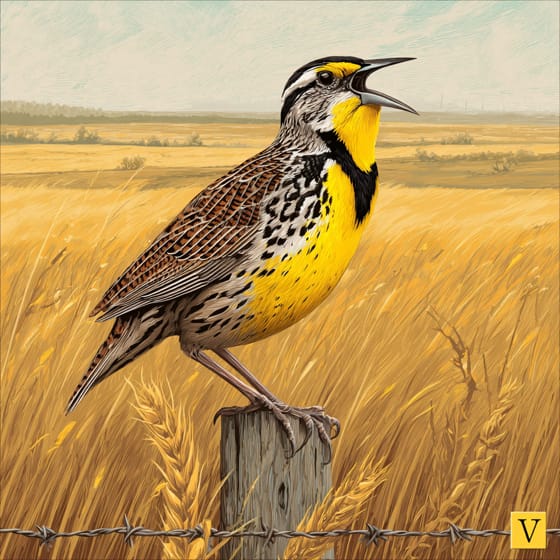
Sturnella neglecta
A common bird predator of adult grasshoppers.
Archytas apicifer
Its larvae develop inside the grasshopper's body.
Triticum aestivum
A primary food source and agricultural pest target.
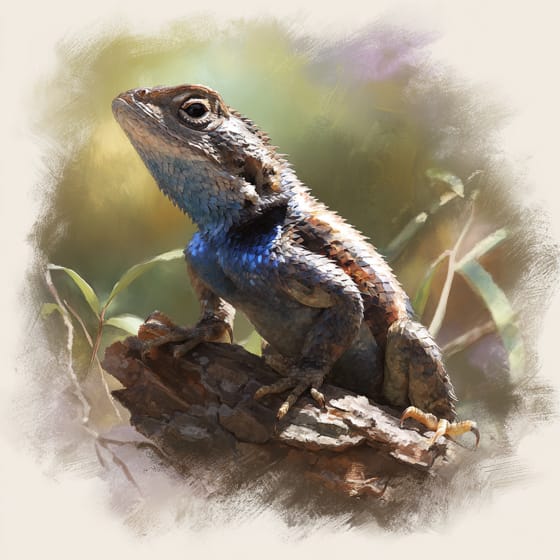
Sceloporus undulatus
Lizards frequently prey on these grasshoppers.
Solitary animals live alone for most of their lives, only interacting with others for mating or parental care.
Singing animals produce complex vocalizations, often for purposes of attracting mates, defending territory, or communicating within their species.
Grassland habitats are terrestrial biomes dominated by grasses and herbaceous plants, supporting a variety of grazing animals.
This trait characterizes organisms whose diet consists entirely or primarily of plant material.

Diurnal animals are primarily active during daylight hours, typically resting or sleeping at night.

This trait identifies organisms that exhibit exceptional swiftness in movement for hunting, escape, or travel.

Describes organisms that transfer pollen, enabling the fertilization and reproduction of plants.
No aliases listed yet.
Danger
1/5 · Very low
It's safe to watch grasshoppers, but don't try to catch them; they like to hop away!
The easiest way to identify Clear-winged Grasshopper is to use the Snappit nature identifier app.
30-85 mm
15-28 mm
40-70 days
They mainly munch on grasses and various small plants.
Grasslands
Grazing
6
Zoom in to split clusters and explore where this object has been snapped.
Recent snaps will appear here as new observations are added.
Take the discovery with you
Snap it with Snappit to identify it, learn what makes it special, and add the discovery to your collection.




.jpg)


.jpg&width=800)




