





Cascade Oregon-grape
Berberis nervosa
The Cascade Oregon-grape is a small shrub with shiny green leaves and bright yellow flowers. It produces blue berries that are loved by birds and can be used to make jelly!
Habitat: Forests
The Cascade Oregon-grape has tough, spiny, evergreen leaves that are shiny dark green and resemble holly. Its bright yellow flowers grow in upright clusters, turning into powdery blue, grape-like berries in late summer. In fall, its leaves can take on purplish-red hues.
Category
PlantsRarity
Common
Danger
1/5 · Very low
Snaps
2
Despite its name, Oregon-grape isn't a true grape; it's related to barberries!
Indigenous peoples historically used parts of this plant for traditional medicines.
Its stiff, spiky leaves make a great hiding spot and shelter for small forest creatures.
The plant's roots and inner bark can be used to make a yellow dye for fabrics!
Cascade Oregon-grape has thick, waxy, evergreen leaves that help it stay green and make food all year, even in winter!
Its tart berries are a tasty treat for birds and other animals, helping spread its seeds widely across the forest floor.
This plant has a strong root system that helps it find water and nutrients, even in dry or poor soils.
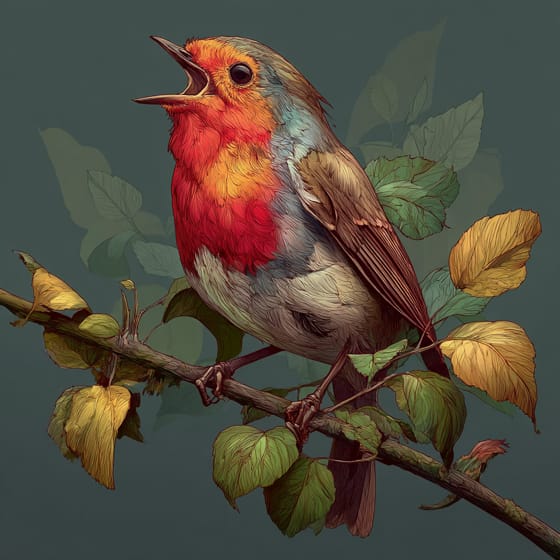
Turdus migratorius
eats berries, spreading seeds
Ursus americanus
forages for berries in late summer
Bombus occidentalis
attracts with bright yellow early spring flowers

Elgaria coerulea
hides amongst its dense, spiky leaves
Flowering plants are any plants that produce flowers as part of their reproductive cycle.
A shrub is a woody plant smaller than a tree, typically with multiple stems branching from or near the ground.
Evergreen plants retain their foliage throughout the year, never shedding all their leaves at once.
Fruit-bearing plants produce fruits, which are the mature ovaries of flowering plants containing seeds.

Edible plants are those parts of a plant that are considered safe for human consumption.

Fall color refers to the seasonal change in foliage pigmentation, primarily in deciduous plants, displaying vibrant hues.

Describes plants that are particularly attractive and beneficial to a wide range of pollinating organisms.

Forest habitats are terrestrial environments dominated by dense tree cover, supporting a high diversity of plant and animal life.

Describes organisms that transfer pollen, enabling the fertilization and reproduction of plants.
No aliases listed yet.
Danger
1/5 · Very low
Always ask an adult before picking any berries or plants.
The easiest way to identify Cascade Oregon-grape is to use the Snappit nature identifier app.
30-90 cm
30-120 cm
0.5-0.8 cm
Late winter to early spring
Yes
None
Perennial
Zoom in to split clusters and explore where this object has been snapped.
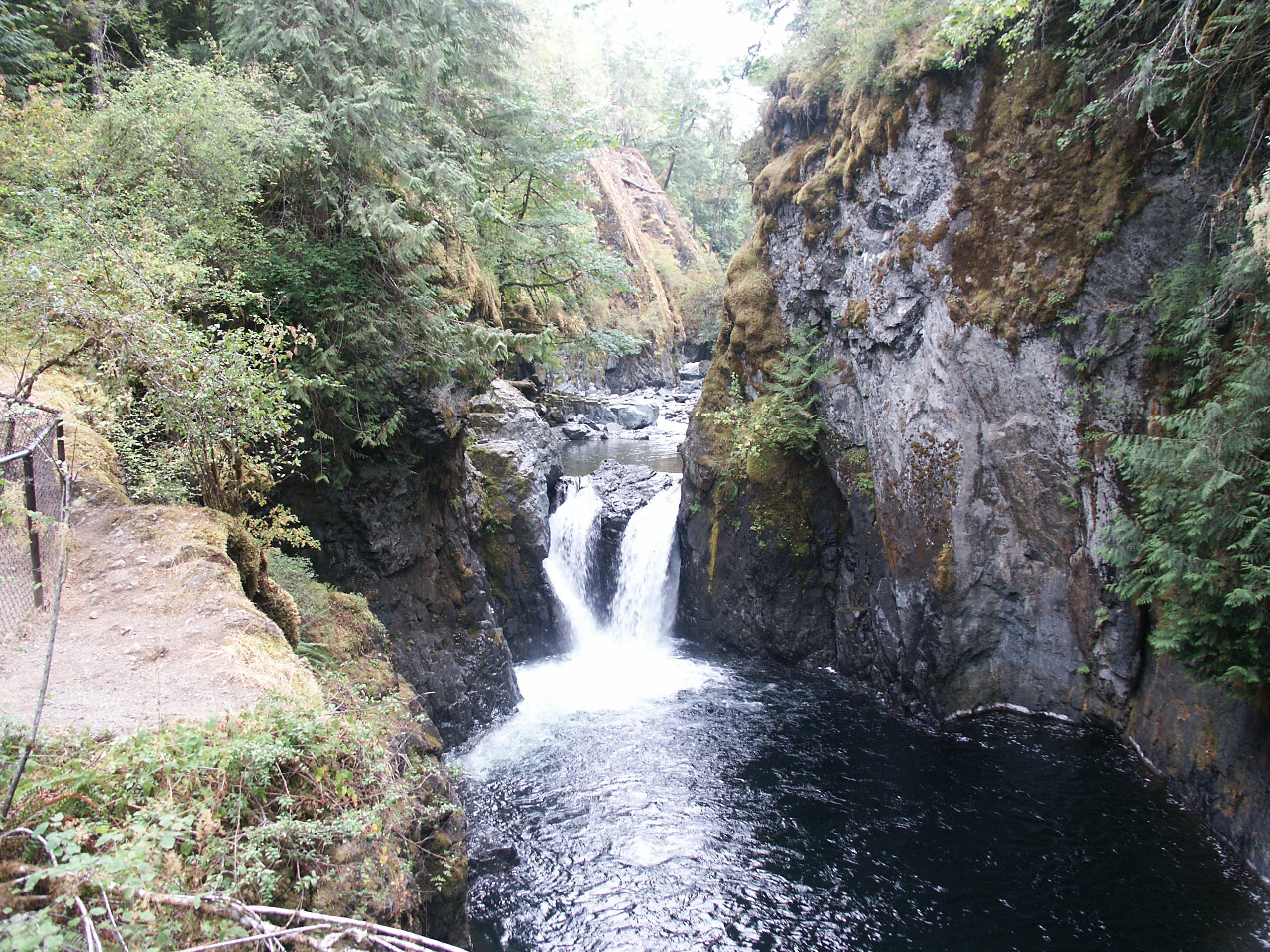
British Columbia, CA
You might spot Vanilla Leaf, Western Maidenhair Fern, and Salal.
View guide →
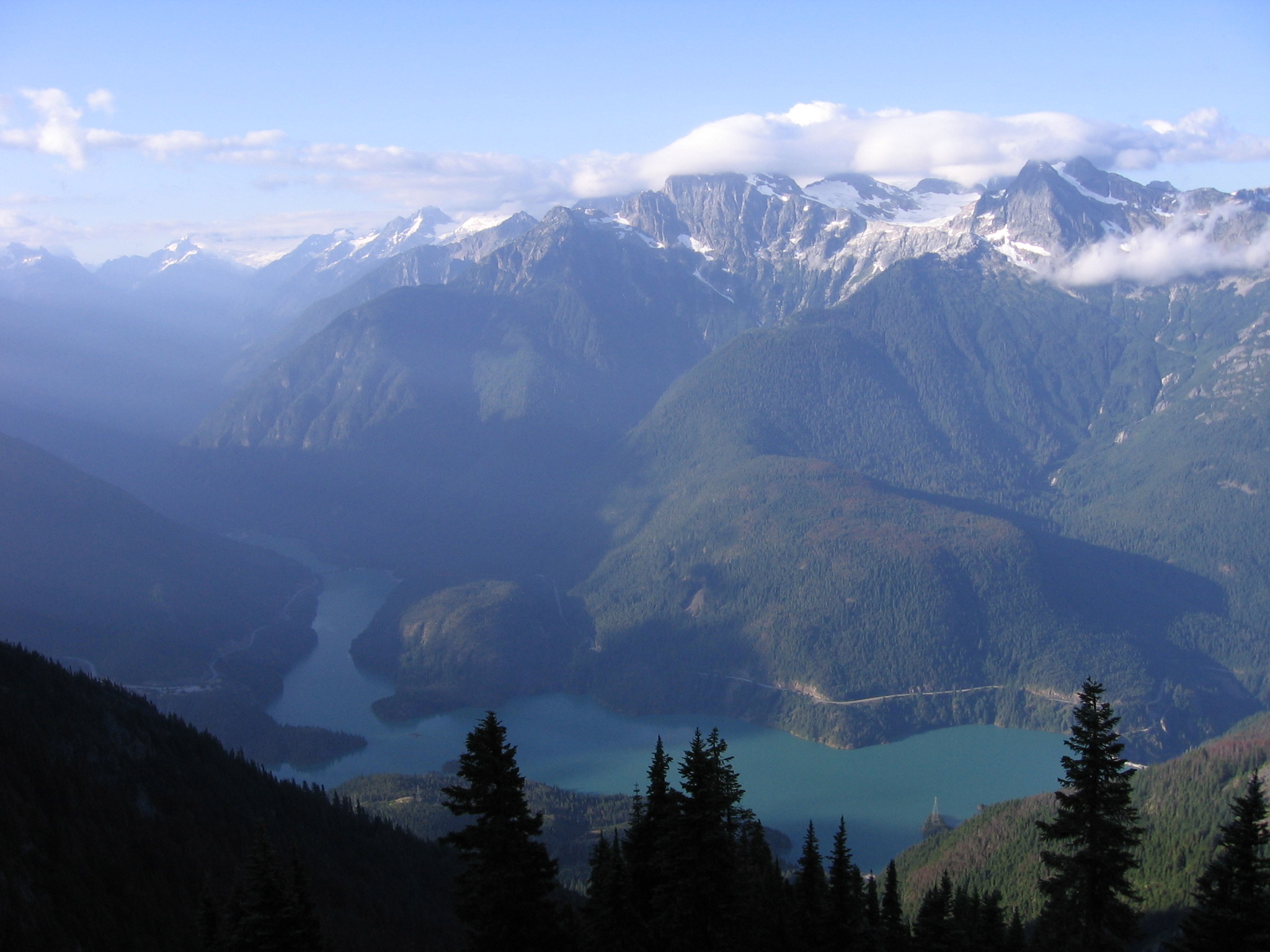
Washington, US
You might spot Cascade Oregon-Grape, Douglas Fir, and Salal.
View guide →

Washington, US
You might spot Pacific Tree Frog, Pacific Banana Slug, and Salal.
View guide →

California, US
You might spot Broad-Leaved Stonecrop and Pacific Bleeding Heart.
View guide →

Oregon, US
You might spot Western Redcedar, Salal, and Pacific Trillium.
View guide →

Oregon, US
You might spot Green Alkanet, Western Sword Fern, and Pacific Banana Slug.
View guide →
Take the discovery with you
Snap it with Snappit to identify it, learn what makes it special, and add the discovery to your collection.







.jpg&width=800)



_001.jpg&width=800)


