





Northern Alligator Lizard
Elgaria coerulea
The Northern Alligator Lizard is a cool reptile that looks like a little dragon! It has a long body and can be green or brown, helping it blend in with its surroundings.
Habitat: Grasslands
The Northern Alligator Lizard has a long, slender body with tough, keeled scales that give it a rough texture. Its coloring varies from brown to grey or olive-green, often with dark bands or blotches. A distinct fold of skin runs along its sides.
Category
ReptilesRarity
Common
Danger
1/5 · Very low
Snaps
8
A special side groove lets their body expand when eating or pregnant.
Their long, sticky tongue can snatch up unsuspecting insects in a flash!
These lizards give birth to live young, not eggs, which is quite rare!
They have sharp, conical teeth perfect for gripping slippery insects and worms.
Northern Alligator Lizard can detach its tail to distract predators, giving it a chance to flee to safety.
Northern Alligator Lizard has rough, banded scales that help it disappear perfectly into its forest environment.
Northern Alligator Lizard has tough, keeled scales and bony plates under its skin for protection from attacks.
Tiny hunters, they feast on insects and other small critters found in their woodland homes.
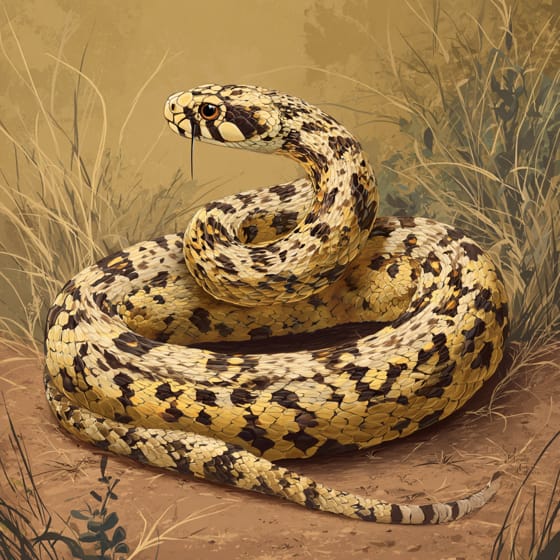
Pituophis catenifer
Common predator in its habitat.
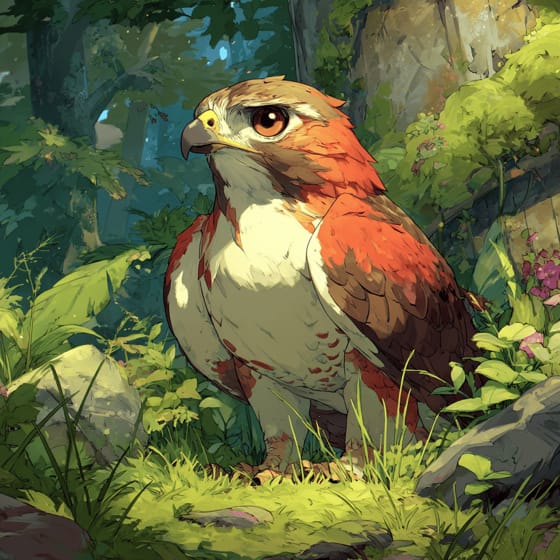
Buteo jamaicensis
A swift bird of prey that hunts lizards.
Limax maximus
Actively searches for slow-moving slugs.

Gryllus pennsylvanicus
A primary food source for these lizards.
Solitary animals live alone for most of their lives, only interacting with others for mating or parental care.
Camouflaged describes organisms that possess coloring or patterns that allow them to blend into their environment.
Grassland habitats are terrestrial biomes dominated by grasses and herbaceous plants, supporting a variety of grazing animals.
This trait identifies organisms whose diet primarily consists of insects and other small invertebrates.

This trait identifies organisms whose diet consists entirely or primarily of animal tissue.

Diurnal animals are primarily active during daylight hours, typically resting or sleeping at night.

This trait identifies organisms that exhibit exceptional swiftness in movement for hunting, escape, or travel.
No aliases listed yet.
Danger
1/5 · Very low
If you see a lizard, watch it from a distance and don't try to touch it.
The easiest way to identify Northern Alligator Lizard is to use the Snappit nature identifier app.
10-30 cm
0.005-0.03 kg
10-15 years
10 km/h
Tiny hunters, they feast on insects and other small critters found in their woodland homes.
Grasslands
Ambush and Foraging
Zoom in to split clusters and explore where this object has been snapped.

California, US
You might spot Redwood Sorrel, Redwood, and Button's Banana Slug.
View guide →

Washington, US
You might spot Pacific Banana Slug and Oregon Forestsnail.
View guide →

Washington, US
You might spot Great Blue Heron, Aggregating Anemone, and Ochre Sea Star.
View guide →

California, US
You might spot Western Fence Lizard and Pacific Poison Oak.
View guide →

Oregon, US
You might spot Rough-Skinned Newt and Isabella Tiger Moth.
View guide →

Washington, US
You might spot Cascade Oregon-Grape, Douglas Fir, and Salal.
View guide →
Take the discovery with you
Snap it with Snappit to identify it, learn what makes it special, and add the discovery to your collection.













