





Chapman'S Zebra
equus quagga chapmani
Chapman'S Zebra is known for its beautiful black and white stripes that help it blend into the grasslands. These friendly animals live in groups and love to graze on grass!
Habitat: Chapman'S Zebras live in the grasslands and savannas of Southern Africa.
The Chapman'S Zebra is a subspecies of plains zebra, distinguished by its unique pattern of broad black stripes and thinner, brownish 'shadow' stripes between them. Its stripes extend down to its hooves, and its belly is typically white, sometimes with fainter stripes. The overall coat is creamy-white to yellowish.
Category
MammalsRarity
Common
Danger
1/5 · Very low
Snaps
Be the first to snap!
A baby zebra can stand and run just an hour after it is born!
Chapman'S Zebras sleep standing up, but can also lie down for a deeper rest!
No two zebras have exactly the same stripe pattern, they're like unique barcodes!
They communicate using different sounds like snorts, barks, and loud whinnies!
Chapman'S Zebra has bold stripes that create optical illusions, confusing predators about herd size and individual location.
Chapman'S Zebra can run very fast because of its powerful legs, helping them escape dangerous predators quickly.
Chapman'S Zebra herds use many eyes and ears working together to spot predators, increasing their chances of survival.
They are grass-eating experts, munching on many different types of grasses to stay healthy.
Panthera leo
Main predator, often targeting younger or weaker individuals.
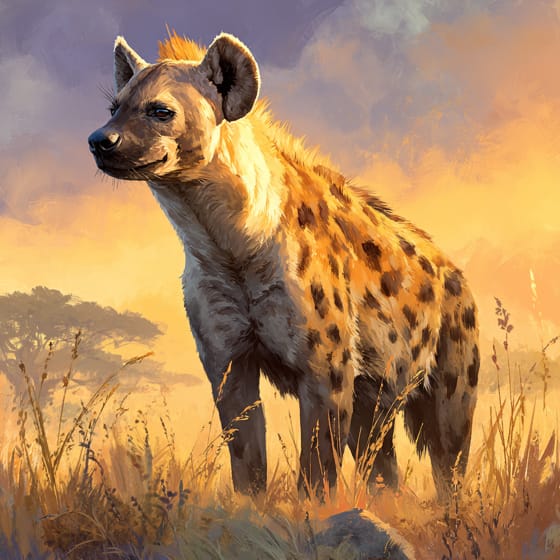
Crocuta crocuta
Hunts zebras, especially the young, often in groups.
Canis mesomelas
Preys on zebra foals, a common opportunistic predator.
Acacia tortilis
Browses on leaves and pods from these trees.
Furry describes animals possessing a dense covering of soft hair or fur.
Marked with parallel bands or lines of color.
Social animals live in organized groups, cooperating for survival benefits such as foraging, defense, and raising offspring.
Grassland habitats are terrestrial biomes dominated by grasses and herbaceous plants, supporting a variety of grazing animals.

Diurnal animals are primarily active during daylight hours, typically resting or sleeping at night.
Danger
1/5 · Very low
No special safety notes yet.
The easiest way to identify Chapman'S Zebra is to use the Snappit nature identifier app.
210-250 cm
250-380 kg
20-30 years
64 km/h
They are grass-eating experts, munching on many different types of grasses to stay healthy.
Chapman'S Zebras live in the grasslands and savannas of Southern Africa.
Grazing
Zoom in to split clusters and explore where this object has been snapped.
Recent snaps will appear here as new observations are added.
Take the discovery with you
Snap it with Snappit to identify it, learn what makes it special, and add the discovery to your collection.




.jpg&width=800)


.JPG&width=800)


.jpg&width=800)
