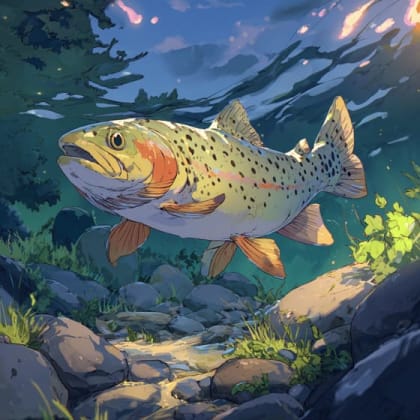



Chub
Leuciscus chub
Chub are sturdy fish with a strong body and a friendly smile. They enjoy swimming in rivers and can be seen near the surface looking for food.
Habitat: Freshwater rivers
The Chub has a sleek, torpedo-shaped body with large, prominent scales. Its back is typically dark greenish-brown, fading to golden-silvery sides and a white belly. Distinctive dark fins complete its classic freshwater fish look.
Category
FishRarity
Common
Danger
2/5 · Low
Snaps
Be the first to snap!
Baby chubs often hide in large schools for safety in numbers!
Chub are sometimes called the "water wolf" due to their predatory nature!
The largest Chub ever found weighed over 5 kilograms!
They are a good indicator of clean and healthy river water quality!
Chub can thrive in diverse river environments because they tolerate varied water temperatures and oxygen levels, helping them find food.
Chub has a powerful, muscular body that helps them swim strongly against fast currents, allowing them to navigate rivers effectively.
Chub can detect tiny water vibrations because of their lateral line system, helping them sense prey and avoid predators.
Chub are opportunistic eaters, feasting on insects, small fish, and even some plants found in their watery home.
Age differences: Younger Chub eat mostly insects, while adults consume larger prey like small fish and frogs.
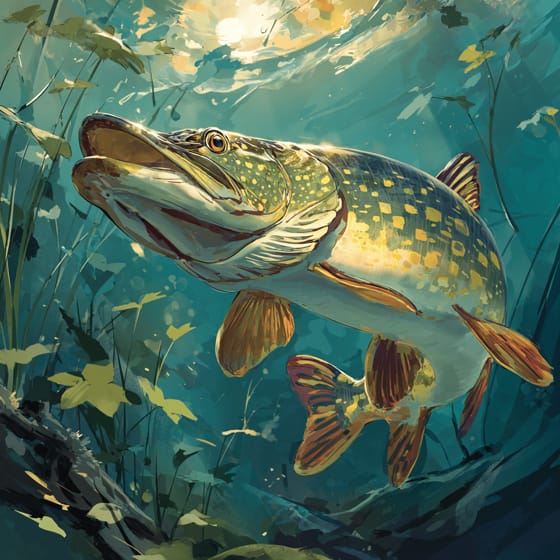
Esox lucius
Large pike are a primary predator of adult Chub.
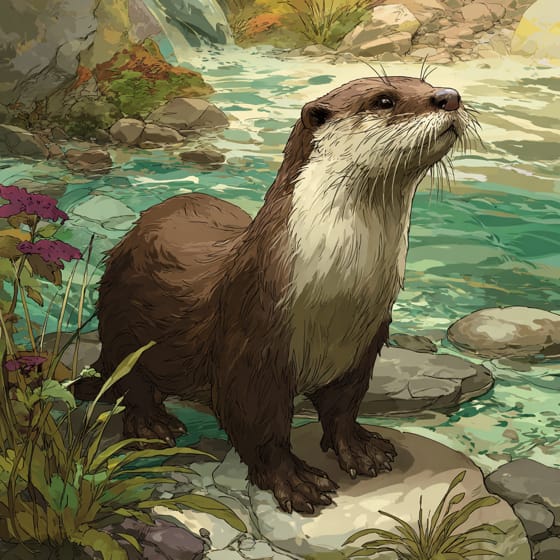
Lutra lutra
Otters are skilled hunters that frequently catch Chub.
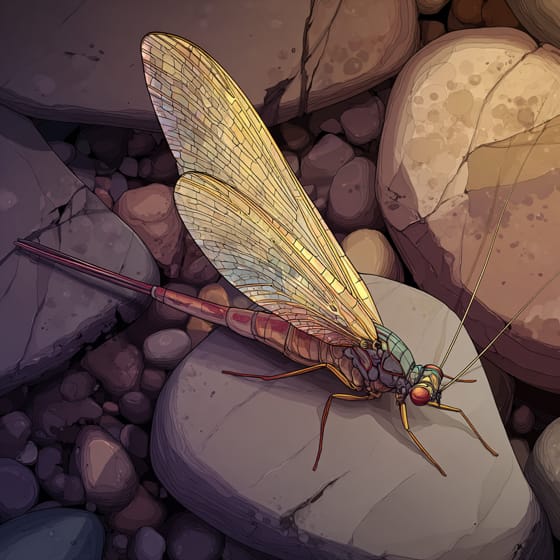
Ephemera danica
Young and adult Chub actively hunt mayfly larvae and adults.
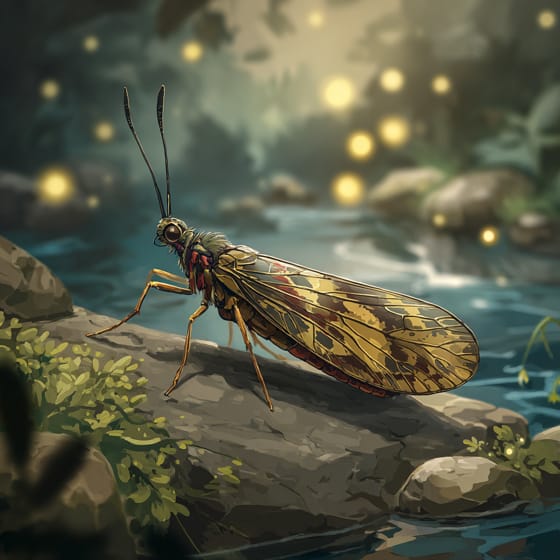
Limnephilus rhombicus
Chub feast on caddisfly larvae and adults, especially near riverbeds.
Wildlife encompasses all undomesticated animal and plant life existing in their natural habitats.
Characterized by having toes connected by a membrane, typically aiding in swimming.
Marked with spots or patches of a different color.
This trait identifies organisms whose diet includes both plant and animal matter.

This trait signifies organisms belonging to a very old evolutionary group with ancestors dating back millions of years.

Diurnal animals are primarily active during daylight hours, typically resting or sleeping at night.

Freshwater habitats include non-saline aquatic environments such as rivers, lakes, ponds, and wetlands, vital for numerous species.

Aquatic habitats encompass environments where organisms live predominantly in water, including oceans, rivers, lakes, and wetlands.
Danger
2/5 · Low
Watch quietly from a distance and never try to feed or chase wild animals.
The easiest way to identify Chub is to use the Snappit nature identifier app.
30-60 cm
0.5-2 kg
5-10 years
Chub are opportunistic eaters, feasting on insects, small fish, and even some plants found in their watery home.
8 km/h
Freshwater rivers
Foraging
Zoom in to split clusters and explore where this object has been snapped.
Recent snaps will appear here as new observations are added.
Take the discovery with you
Snap it with Snappit to identify it, learn what makes it special, and add the discovery to your collection.