.jpg&width=800)





Clay-coloured Weevil
Otiorhynchus singularis
The Clay-coloured Weevil is a small, brown bug that loves to munch on plants. It has a long snout and tiny legs, making it look quite funny as it moves around in gardens and fields.
Habitat: Gardens
The Clay-coloured Weevil has a stout, oval body, typically dull grey-brown to reddish-brown, often appearing dusty due to short, dense, pale scales. Its distinguishing features include a short, broad snout (rostrum) and deeply ridged wing covers (elytra), which are fused, meaning it cannot fly.
Category
InsectsRarity
Common
Danger
1/5 · Very low
Snaps
Be the first to snap!
Adult weevils can live for more than a year, surviving through cold winters.
Most Clay-coloured Weevils are female and can have babies without needing a male!
Their wing covers are fused together, so these weevils cannot fly!
They are nocturnal, meaning they wake up and eat plants only after the sun goes down.
The Clay-coloured Weevil can chew through tough plant stems and leaves because of its strong, short snout that helps them eat.
Clay-coloured Weevils can suddenly drop to the ground and play dead when threatened, which helps them escape predators.
Their larvae have powerful mandibles for boring into soil and eating plant roots, which helps them grow strong underground.
This weevil is a herbivore, with both adults and larvae munching on different parts of plants.
Age differences: Larvae live underground and feed on plant roots, while adults feed above ground on leaves, buds, and bark.
Rubus idaeus
Feeds on foliage and can cause significant plant damage.
Turdus merula
Birds forage for weevils on the ground and plants.
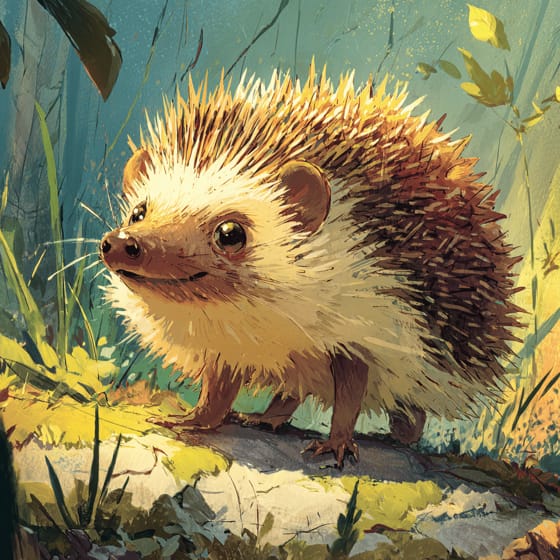
Erinaceus europaeus
Hedgehogs consume weevils as part of their varied diet.
Solitary animals live alone for most of their lives, only interacting with others for mating or parental care.
Camouflaged describes organisms that possess coloring or patterns that allow them to blend into their environment.
This trait characterizes organisms whose diet consists entirely or primarily of plant material.
Describes organisms that break down dead organic material, recycling nutrients back into the ecosystem.

Diurnal animals are primarily active during daylight hours, typically resting or sleeping at night.

This habitat trait indicates species that can coexist with humans in urban and suburban environments, utilizing man-made structures and green spaces.

Describes organisms that transfer pollen, enabling the fertilization and reproduction of plants.
No aliases listed yet.
Danger
1/5 · Very low
It's best to look at bugs like weevils without touching them, as they are very small and delicate.
The easiest way to identify Clay-coloured Weevil is to use the Snappit nature identifier app.
4-8 mm
365-730 days
This weevil is a herbivore, with both adults and larvae munching on different parts of plants.
Gardens
Foraging
6
Zoom in to split clusters and explore where this object has been snapped.
Recent snaps will appear here as new observations are added.
Take the discovery with you
Snap it with Snappit to identify it, learn what makes it special, and add the discovery to your collection.







.jpg&width=800)




