





Cockchafers
Melolontha
Cockchafers are big, brown beetles that come out in the spring. They love to fly around at night and can be found in gardens and fields. Their larvae, called grubs, live in the soil and help the earth stay healthy.
Habitat: Grasslands, Gardens
The Cockchafer has a robust, oval body, typically reddish-brown with a distinct black head and pronotum. Its ridged wing cases cover delicate flight wings, and males feature prominent fan-like antennae, making it visually distinct from smaller scarab beetles.
Category
InsectsRarity
Common
Danger
1/5 · Very low
Snaps
Be the first to snap!
Adult cockchafers only live for about 5-6 weeks, just long enough to mate and lay eggs.
Every few years, there's a "Cockchafer year" where thousands emerge all at once!
Males have special fan-like antennae they use to "smell" females from far away.
They spend up to five years as a grub underground before becoming an adult beetle!
Cockchafer larvae can spend years underground munching on roots, helping them store energy for their big transformation into an adult beetle.
Cockchafers can fly through the evening sky, guided by special sensors on their antennae that help them find mates and food in the dark.
Male Cockchafers have fan-like antennae that act like radar, helping them sniff out female pheromones from far away to find a partner.
Adults munch on tree leaves and flowers, while their grubs feast on plant roots underground!
Age differences: Larvae (grubs) eat roots underground, while adults feed on leaves and flowers of trees and shrubs.
Pipistrellus pipistrellus
Bats hunt adult cockchafers during their evening flights.
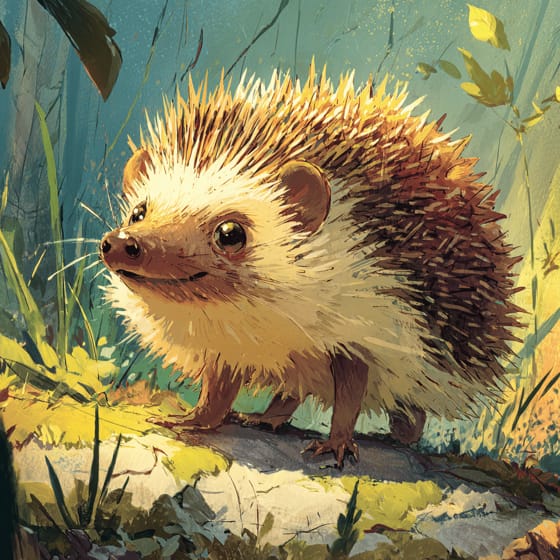
Erinaceus europaeus
Hedgehogs find and eat cockchafer grubs and adults.
Quercus robur
Adult cockchafers feed on the leaves of oak trees.
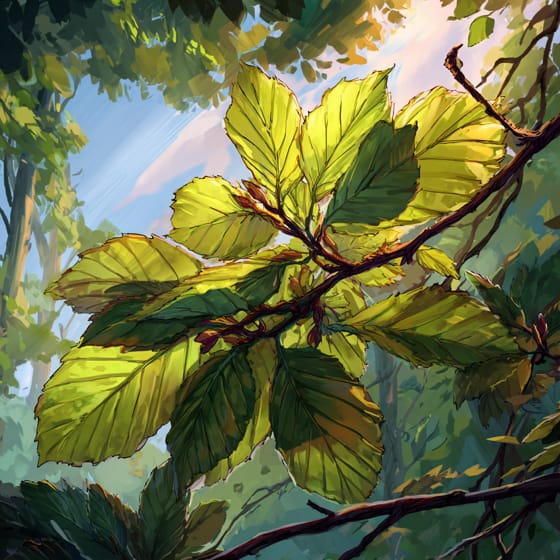
Fagus sylvatica
Adults also consume the foliage of beech trees.
Solitary animals live alone for most of their lives, only interacting with others for mating or parental care.
Grassland habitats are terrestrial biomes dominated by grasses and herbaceous plants, supporting a variety of grazing animals.
This trait characterizes organisms whose diet consists entirely or primarily of plant material.
Describes organisms that break down dead organic material, recycling nutrients back into the ecosystem.

Describes a species whose presence and role have a disproportionately large effect on its environment.

Giant describes organisms or objects of significantly larger size than average for their species or type.

This habitat trait indicates species that can coexist with humans in urban and suburban environments, utilizing man-made structures and green spaces.

Nocturnal animals are primarily active during the nighttime hours, typically resting or sleeping during the day.

Describes organisms that transfer pollen, enabling the fertilization and reproduction of plants.
Danger
1/5 · Very low
Cockchafers are not dangerous, but it's best to watch them from a distance.
The easiest way to identify Cockchafers is to use the Snappit nature identifier app.
45-60 mm
25-30 mm
30-45 days
9 km/h
Adults munch on tree leaves and flowers, while their grubs feast on plant roots underground!
Grasslands, Gardens
Foraging
Zoom in to split clusters and explore where this object has been snapped.
Recent snaps will appear here as new observations are added.
Take the discovery with you
Snap it with Snappit to identify it, learn what makes it special, and add the discovery to your collection.







.jpg&width=800)



