





Colubrine Snakes
Colubrinae
Colubrine snakes are a group of snakes that come in many colors and sizes. They are often found in gardens and forests, and they help keep the environment healthy by eating pests.
Habitat: Forests
The Colubrine Snakes have varied appearances, but many feature slender bodies, smooth or keeled scales, and large, round pupils. They often display intricate patterns, stripes, or blotches in colors ranging from earthy browns and greens to vibrant reds and yellows, generally lacking the pronounced triangular head or heat-sensing pits often seen in vipers.
Category
ReptilesRarity
Common
Danger
2/5 · Low
Snaps
Be the first to snap!
Many can 'play dead' by flipping over and staying perfectly still when scared!
Some colubrine snakes don't have eyelids, so they can never blink!
Some colubrine species can mimic venomous snakes to scare away predators!
They swallow their food whole and can eat animals much bigger than their heads!
Colubrine Snakes can 'taste' their surroundings with their forked tongues, helping them track prey and avoid danger.
Colubrine Snakes can constrict prey, wrapping tightly around small animals to subdue them before eating.
Colubrine Snakes have specialized belly scales that help them grip surfaces, making them excellent tree climbers.
These snakes are carnivores, meaning they hunt and eat other animals to survive.
Age differences: Younger snakes often eat insects and smaller prey, while adults target larger vertebrates.
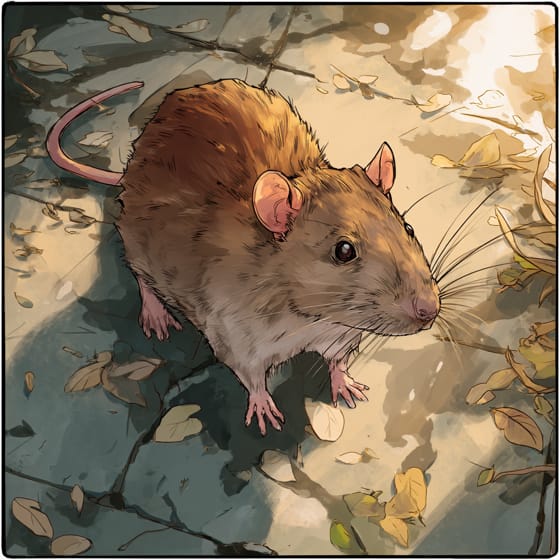
Rattus norvegicus
A common food source for many colubrine species.
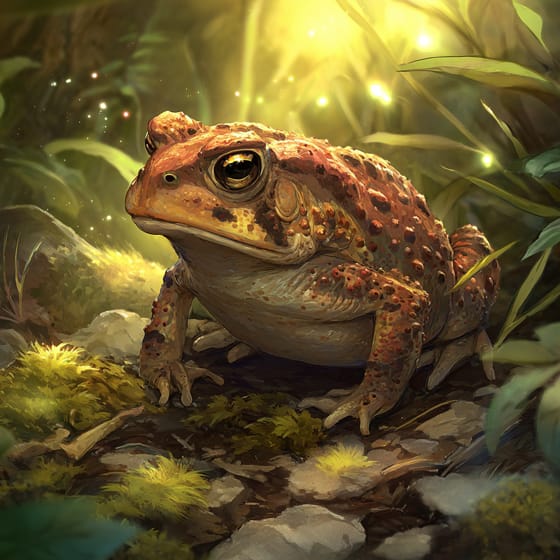
Bufo americanus
Amphibians are a primary prey item for many colubrines.
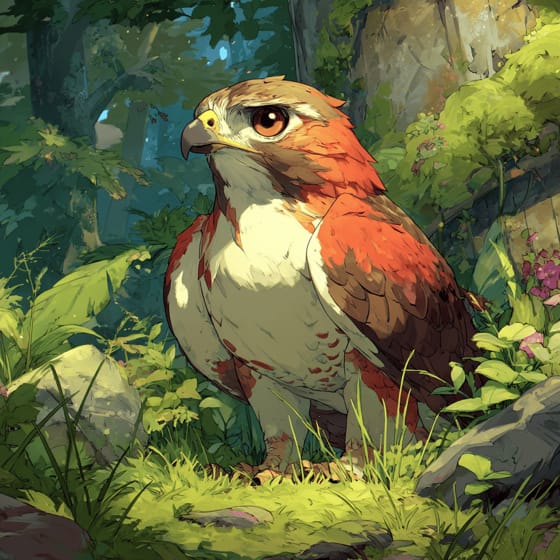
Buteo jamaicensis
Young and smaller colubrine snakes are often prey for raptors.
Mephitis mephitis
Skunks are opportunistic predators that will eat snakes.
Solitary animals live alone for most of their lives, only interacting with others for mating or parental care.
Arboreal animals live primarily in trees, utilizing them for shelter, food, and protection from predators.
Colorful describes organisms or objects displaying a wide range of bright and distinct colors.
An ambush predator hunts by patiently waiting and concealing itself, then launching a sudden attack when unsuspecting prey comes within range.

Forest habitats are terrestrial environments dominated by dense tree cover, supporting a high diversity of plant and animal life.

This trait identifies organisms whose diet consists entirely or primarily of animal tissue.

Diurnal animals are primarily active during daylight hours, typically resting or sleeping at night.

This trait identifies organisms that exhibit exceptional swiftness in movement for hunting, escape, or travel.
No aliases listed yet.
Danger
2/5 · Low
If you see a snake, it's best to stay calm and walk away. Snakes are usually shy and won't bother you.
The easiest way to identify Colubrine Snakes is to use the Snappit nature identifier app.
15-300 cm
0.005-10 kg
5-20 years
12 km/h
These snakes are carnivores, meaning they hunt and eat other animals to survive.
Forests
Ambush
Zoom in to split clusters and explore where this object has been snapped.
Recent snaps will appear here as new observations are added.
Take the discovery with you
Snap it with Snappit to identify it, learn what makes it special, and add the discovery to your collection.












