





Columbia Spotted Frog
Rana luteiventris
The Columbia Spotted Frog is a small, lively frog with beautiful spots on its skin. It loves to hop around in wetlands and is great at swimming in water!
Habitat: Wetlands
The Columbia Spotted Frog is a medium-sized frog, typically green, brown, or gray with irregular dark spots, often with a lighter center. It has smooth skin and a distinct cream-colored stripe along its upper jaw, which helps distinguish it from other similar frogs.
Category
AmphibiansRarity
Common
Danger
1/5 · Very low
Snaps
4
Columbia Spotted Frogs hibernate underwater, sometimes buried in mud, to survive freezing winters!
Female frogs gather to lay their thousands of eggs together in huge communal masses!
Some tadpoles live as long as two years before finally becoming adult frogs!
These frogs have eyes on top of their heads, perfect for peeking out of the water!
Columbia Spotted Frogs can stay submerged for over 15 minutes, helping them hide from predators and ambush aquatic prey.
Columbia Spotted Frogs have uniquely patterned skin with dark, light-centered spots that help them disappear against riverbeds and pond bottoms.
Columbia Spotted Frogs can rapidly extend their sticky tongue to snatch insects and other small prey with incredible speed.
Columbia Spotted Frogs have a special metabolism that helps them thrive in very cold, high-elevation mountain streams.
These frogs munch on insects and other small invertebrates they find in the water or on land.
Age differences: Tadpoles eat algae and detritus; adults become carnivores, preying on insects and other invertebrates.
Thamnophis sirtalis
A common predator of frogs and their tadpoles.
Oncorhynchus clarkii
Larger fish prey on tadpoles and small frogs in aquatic habitats.
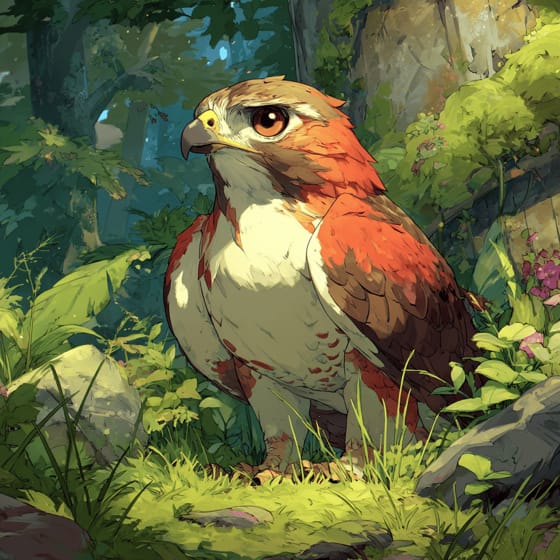
Buteo jamaicensis
These raptors hunt adult frogs in open wetland areas.

Procyon lotor
Opportunistic predators, raccoons will catch frogs near water bodies.
Marked with spots or patches of a different color.
Solitary animals live alone for most of their lives, only interacting with others for mating or parental care.
Colorful describes organisms or objects displaying a wide range of bright and distinct colors.
This trait identifies organisms whose diet primarily consists of insects and other small invertebrates.

This habitat trait identifies species found in wetlands, which are areas of land saturated with water, either permanently or seasonally, including marshes, swamps, and bogs.

Diurnal animals are primarily active during daylight hours, typically resting or sleeping at night.

Describes a species whose presence and role have a disproportionately large effect on its environment.

Aquatic habitats encompass environments where organisms live predominantly in water, including oceans, rivers, lakes, and wetlands.

Describes organisms that transfer pollen, enabling the fertilization and reproduction of plants.

Endangered status indicates a species is at a very high risk of extinction in the wild in the near future.
No aliases listed yet.
Danger
1/5 · Very low
Always watch frogs from a distance and never try to catch them, as they can be delicate.
The easiest way to identify Columbia Spotted Frog is to use the Snappit nature identifier app.
4-10 cm
0.01-0.03 kg
5-10 years
1.5 km/h
These frogs munch on insects and other small invertebrates they find in the water or on land.
Wetlands
Ambush
Zoom in to split clusters and explore where this object has been snapped.

Montana, US
You might spot Field Crescent, Thimbleberry, and Baker's Mariposa Lily.
View guide →

Montana, US
You might spot Black Bear, Moose, and Lodgepole Pine.
View guide →
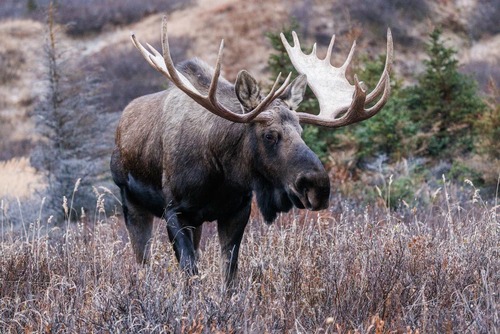
Wyoming, US
You might spot Moose, Black Bear, and Sticky Geranium.
View guide →
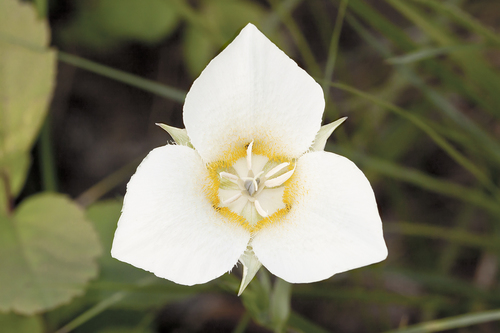
Montana, US
You might spot Baker's Mariposa Lily and Columbian Monkshood.
View guide →
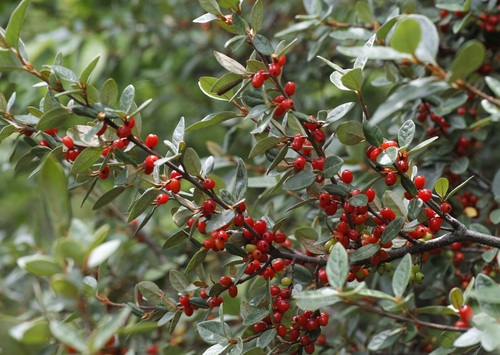
British Columbia, CA
You might spot Canadian Buffalo-Berry and Oregon Boxwood.
View guide →
British Columbia, CA
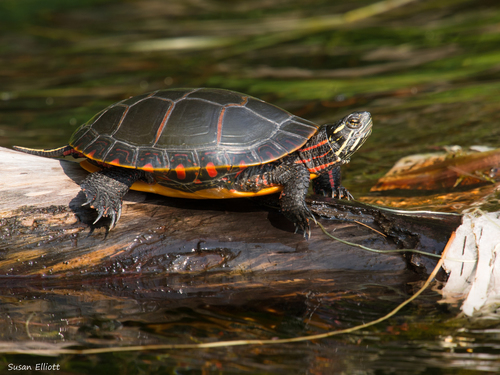
You might spot Painted Turtle, Solomon's Plume, and Saskatoon.
View guide →
Take the discovery with you
Snap it with Snappit to identify it, learn what makes it special, and add the discovery to your collection.








.JPG&width=800)


.jpg&width=800)
