





Moose
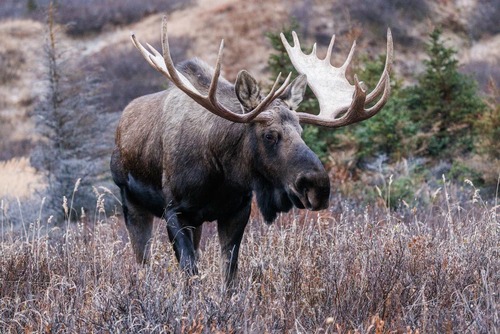
The Laurance S. Rockefeller Preserve offers a tranquil and immersive nature experience within Grand Teton National Park. This 1,106-acre refuge was established with a unique vision for conservation, emphasizing solitude and a deep connection to the natural world. It stands as a testament to the Rockefeller family's legacy of preserving pristine landscapes for public enjoyment.
Visitors can explore a network of hiking trails winding through diverse ecosystems, including sagebrush meadows, lush wetlands, and forests of fir, spruce, and lodgepole pine. The preserve is home to iconic wildlife such as moose, elk, black bears, and grizzly bears, along with over 300 species of birds, including bald eagles and various songbirds. Phelps Lake, a glacier-carved jewel with a sandy beach and a famous "Jumping Rock," is a central highlight, offering stunning views of the Teton Range.
A visit to the preserve is an opportunity for quiet reflection and meaningful engagement with nature. The LEED Platinum-certified visitor center, designed to blend seamlessly with the environment, provides sensory exhibits that highlight the visual, auditory, and tactile qualities of the preserve's flora and fauna. This commitment to ecological preservation and an intimate visitor experience makes the Laurance S. Rockefeller Preserve an unforgettable destination for those seeking peace and natural beauty. Unlock an interactive field guide for this spot: get the Snappit app to identify nature on the go.
The land now known as the Laurance S. Rockefeller Preserve was originally homesteaded in 1903 as the JY Ranch, becoming Jackson Hole's first dude ranch. In 1932, John D. Rockefeller Jr. acquired the property as part of his extensive efforts to conserve land in Jackson Hole, using it as a private family retreat. His son, Laurance S. Rockefeller, a prominent conservationist, announced his intent in 2001 to donate the final 1,106-acre parcel to the National Park Service. Following Laurance's death in 2004, his widow completed the transfer, with the vision that the preserve would remain a place for visitors to experience a spiritual and emotional connection to the Teton Range and Phelps Lake. Between 2004 and 2007, 30 ranch buildings were removed and the sites bio-remediated to restore the land to its natural state. The Laurance S. Rockefeller Preserve officially opened to the public in 2008, featuring a unique interpretive center designed to reflect Rockefeller's conservation philosophy.
Hike the various trails to Phelps Lake, explore the unique exhibits at the visitor center, attend ranger-led programs for deeper insight into the preserve's wildlife and history, and look for wildlife like moose, elk, and bears.
Spring (May-June): Trails are accessible by May 1st, though snow may persist. Wildlife, especially bears, are active after hibernation. Wildflowers begin to bloom.
Summer (July-August): Peak season with all facilities and programs fully operational. Warm weather is ideal for hiking and swimming in Phelps Lake.
Fall (September-October): Cooler temperatures and stunning fall foliage. Wildlife viewing can be excellent as animals prepare for winter. The Preserve Center typically closes late September, but trails remain open until October 31st.
The Preserve Center has accessible parking, a poly-pave surface path to the center, and accessible composting toilets. The Lake Creek trail offers a steel feature for wheelchair access to a small waterfall. Ranger programs often include accessible options.
A LEED Platinum-certified building featuring sensory exhibits, high-definition nature videos, soundscapes, and large-scale photography to connect visitors with the preserve's ecology.
A stunning glacial lake offering scenic views, a sandy beach, and the popular "Jumping Rock."
Over 8 miles (13 km) of trails, including the easy Lake Creek-Woodland Trail Loop (3 miles) and the moderate Phelps Lake Trail Loop (6.3 miles), which circumnavigates the lake.
Each card links to a full Explore page with photos, traits, and fun facts.
Start with the big picture, then zoom in to explore individual wildlife observations around this place.
Arrive early
** Parking is limited (50 vehicles) and often fills by 9 AM during peak season.
Carry bear spray
Black bears and grizzly bears are present in the preserve. Know how to use bear spray and carry it where it's easily accessible.
Bring water and snacks
While there's a visitor center, trails can be long, so come prepared.
Check Moose-Wilson Road status
This road, which provides access to the preserve, is unpaved for 1.5 miles and is closed to RVs and trailers (vehicles over 23.3 feet). It can also experience temporary closures.
Engage with rangers
Park rangers are a valuable resource for wildlife sightings, trail conditions, and deeper insights into the preserve.
Consider binoculars
For optimal wildlife viewing, especially for birds and distant mammals.
Jun 6, 2026
May 31, 2026
May 29, 2026
May 29, 2026
May 26, 2026

Maryland, US
You might spot White-Tailed Deer and Eastern Gray Squirrel.
View guide →
.jpg)
District of Columbia, US
You might spot Eastern Gray Squirrel, Duck, and House Sparrow.
View guide →

Illinois, US
You might spot American Robin, Canada Goose, and House Sparrow.
View guide →

Virginia, US
You might spot Spotted Lanternfly and Northern Cardinal.
View guide →
Take the discovery with you
Identify the wildlife you spot, learn as you go, and keep a collection of the adventure.




















