





Tailed Frogs
Ascaphus
Tailed frogs are special frogs that have a little tail! They live in cool, clear streams and are great swimmers. These frogs are very unique because they can stay underwater for a long time.
Habitat: Mountain regions
The Tailed Frogs are small, flattened amphibians with rough, bumpy skin, usually camouflaged in shades of brown, gray, or olive green. Males uniquely possess a short, tail-like cloacal extension for reproduction. They lack visible eardrums, setting them apart from most other frogs.
Category
AmphibiansRarity
Common
Danger
1/5 · Very low
Snaps
Be the first to snap!
Tailed frogs are considered living fossils, very ancient creatures.
Their "tail" is not for swimming; it's a special reproductive part!
These frogs can live longer than many pet cats or dogs!
They thrive only in extremely cold, pristine mountain streams.
Tailed Frogs lack eardrums, an adaptation that helps them navigate and hunt in noisy, rushing water environments.
Tailed Frogs' tadpoles can take up to four years to grow into frogs, allowing them to thrive in cold mountain streams.
Tailed Frogs' males have a unique "tail" (a copulatory organ) for internal fertilization in swift currents.
Tadpoles graze on algae, while adult frogs mostly hunt small insects found in their streams.
Age differences: Tadpoles primarily eat algae and diatoms, while adults switch to preying on aquatic insects and other small invertebrates.
Thamnophis sirtalis
Snakes hunt them near stream edges.
Oncorhynchus clarkii
Trout prey on tadpoles and young frogs.
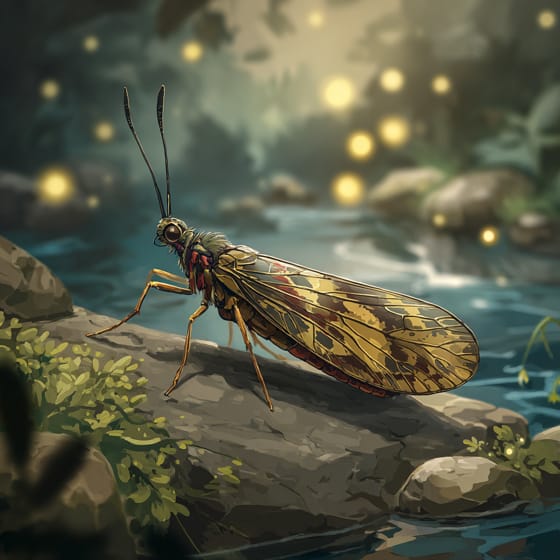
Hydropsyche betteni
Adult frogs eat their larvae.
Pteronarcys californica
Adult frogs eat their nymphs.
Characterized by having toes connected by a membrane, typically aiding in swimming.
Solitary animals live alone for most of their lives, only interacting with others for mating or parental care.
This trait identifies organisms whose diet primarily consists of insects and other small invertebrates.
This habitat trait identifies species found in mountainous regions, characterized by high elevation, steep slopes, and varying climate zones.

Diurnal animals are primarily active during daylight hours, typically resting or sleeping at night.

Freshwater habitats include non-saline aquatic environments such as rivers, lakes, ponds, and wetlands, vital for numerous species.

Endangered status indicates a species is at a very high risk of extinction in the wild in the near future.
No aliases listed yet.
Danger
1/5 · Very low
Always watch your step near water and don't touch frogs unless a grown-up says it's okay.
The easiest way to identify Tailed Frogs is to use the Snappit nature identifier app.
2.5-5.5 cm
0.002-0.012 kg
10-20 years
0.1 km/h
Tadpoles graze on algae, while adult frogs mostly hunt small insects found in their streams.
Mountain regions
Foraging
Zoom in to split clusters and explore where this object has been snapped.
Recent snaps will appear here as new observations are added.
Take the discovery with you
Snap it with Snappit to identify it, learn what makes it special, and add the discovery to your collection.










.JPG&width=800)


.jpg&width=800)

