





Commas
Polygonia
The Comma butterfly has a unique shape and a beautiful orange color with dark spots. Its wings look like they have a little notch, which makes it special among butterflies!
Habitat: Forests
The Commas butterfly has ragged-edged wings, giving it a torn look. Its upper wings are bright orange with black spots, while the undersides are a dull brown, perfectly mimicking a dead leaf. A distinctive white C-shaped mark is visible on its closed hindwings.
Category
InsectsRarity
Common
Danger
1/5 · Very low
Snaps
Be the first to snap!
Adult Commas prefer sipping tree sap and rotting fruit over flower nectar.
Some Comma butterflies live long enough to experience two different seasons!
The 'comma' mark on their wing can be a perfect C or broken into two parts!
Their caterpillars are spiky and brown, looking like bird droppings to scare off predators.
Commas have different wing patterns for summer and winter generations, helping them adapt their camouflage to the changing seasons.
Commas can hibernate as adults through the cold winter months because they store energy and find sheltered spots, helping them survive until spring.
Adult Commas enjoy sipping tree sap and rotting fruit, while their spiky larvae munch on leaves.
Age differences: Larvae primarily eat the leaves of host plants, while adults feed on tree sap, rotting fruit, and occasionally flower nectar.
Ulmus procera
Larvae feed on leaves.
Urtica dioica
A common larval food plant.
Salix alba
Larvae consume its leaves.
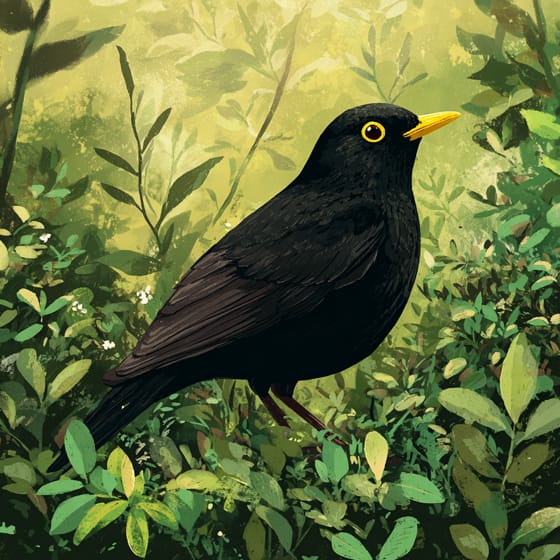
Turdus merula
Birds prey on larvae and adults.
Marked with spots or patches of a different color.
Solitary animals live alone for most of their lives, only interacting with others for mating or parental care.
Camouflaged describes organisms that possess coloring or patterns that allow them to blend into their environment.
Colorful describes organisms or objects displaying a wide range of bright and distinct colors.

This trait characterizes organisms whose diet consists entirely or primarily of plant material.

Forest habitats are terrestrial environments dominated by dense tree cover, supporting a high diversity of plant and animal life.

This trait characterizes organisms with an exceptionally long lifespan compared to others of their kind.

Diurnal animals are primarily active during daylight hours, typically resting or sleeping at night.

Describes organisms that transfer pollen, enabling the fertilization and reproduction of plants.
No aliases listed yet.
Danger
1/5 · Very low
Butterflies are gentle and safe to watch. Don't try to catch them; just enjoy their beauty!
The easiest way to identify Commas is to use the Snappit nature identifier app.
45-60 mm
45-60 mm
30-240 days
15 km/h
Adult Commas enjoy sipping tree sap and rotting fruit, while their spiky larvae munch on leaves.
Forests
Foraging
Zoom in to split clusters and explore where this object has been snapped.
Recent snaps will appear here as new observations are added.
Take the discovery with you
Snap it with Snappit to identify it, learn what makes it special, and add the discovery to your collection.







.jpg&width=800)


