





common blue violet
Viola sororia
The common blue violet is a pretty flower with heart-shaped leaves and lovely purple blooms. It often grows in gardens and meadows, bringing color to the springtime.
Habitat: Meadows
The common blue violet has heart-shaped, scalloped green leaves emerging from the base. Its familiar five-petaled flowers are typically deep violet-blue, though variations in white or pale lavender can occur. The two upper petals point up, while the three lower ones have fine white hairs near the center.
Category
PlantsRarity
Common
Danger
1/5 · Very low
Snaps
2
In ancient Greece, violets were used to make 'violet wine'!
Some violet flowers never even open their petals to make seeds!
Tiny ants are tricked into carrying violet seeds far away for a snack!
Violets have secret underground stems that help them spread quickly!
Common blue violet can trick ants into carrying its seeds away by offering a tasty reward, helping it spread far and wide.
Common blue violet has hidden, tiny flowers that self-pollinate underground, ensuring seeds are made even if no insects visit.
Common blue violet can spread quickly using underground stems called rhizomes, forming new plants without needing seeds.
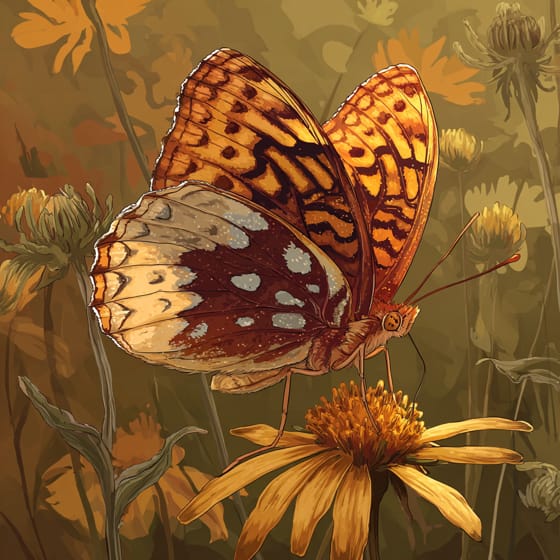
Speyeria cybele
Larvae feed on violet leaves
Bombus impatiens
Visits open flowers for nectar
Formica pallidefulva
Disperses seeds in exchange for food
Deciduous plants periodically shed all their leaves, typically during autumn or dry seasons.
Flowering plants are any plants that produce flowers as part of their reproductive cycle.
Shade tolerant plants are adapted to grow and thrive in areas with low light levels, requiring less direct sunlight.
Spring blooming plants produce their flowers during the spring season, often signifying the end of winter and the start of new growth.

Edible plants are those parts of a plant that are considered safe for human consumption.

Grassland habitats are terrestrial biomes dominated by grasses and herbaceous plants, supporting a variety of grazing animals.

Describes plants that are particularly attractive and beneficial to a wide range of pollinating organisms.

Forest habitats are terrestrial environments dominated by dense tree cover, supporting a high diversity of plant and animal life.
Danger
1/5 · Very low
Always check with an adult before picking flowers.
The easiest way to identify common blue violet is to use the Snappit nature identifier app.
10-20 cm
15-30 cm
1-2 cm
Early spring to early summer
Yes
None
Perennial
Zoom in to split clusters and explore where this object has been snapped.

Georgia, US
You might spot Anole, Asian Lady Beetle, and Joro Spider.
View guide →
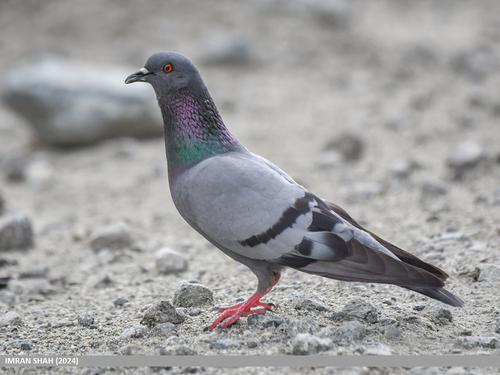
Washington, US
You might spot Rock Pigeon, Eastern Gray Squirrel, and House Sparrow.
View guide →

Illinois, US
You might spot Common Eastern Bumble Bee, Baltimore Oriole, and Monarch.
View guide →
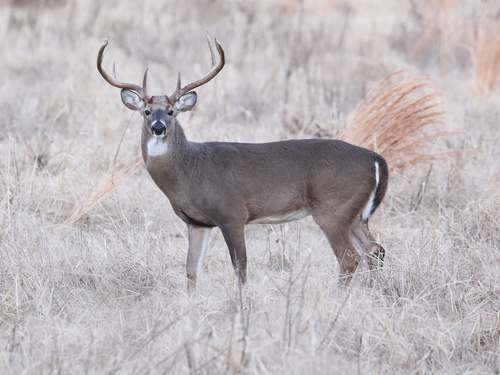
Virginia, US
You might spot White-Tailed Deer and Common Eastern Bumble Bee.
View guide →
_(16639600986).jpg)
New York, US
You might spot White Mulberry and Striped Greenhouse Slug.
View guide →
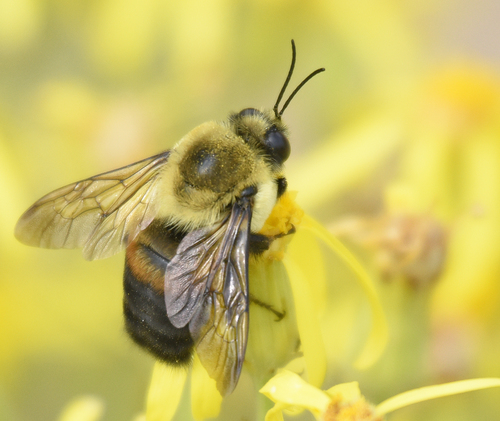
New York, US
You might spot Brown-Belted Bumble Bee and Eastern Gray Squirrel.
View guide →
Take the discovery with you
Snap it with Snappit to identify it, learn what makes it special, and add the discovery to your collection.






.jpg&width=800)



_001.jpg&width=800)


