





Coralberry
Ardisia crenata
Coralberry is a fun plant that grows bright red berries! It has shiny green leaves and can be found in gardens and parks. The berries are not for eating, but they look beautiful and attract birds.
Habitat: Urban areas
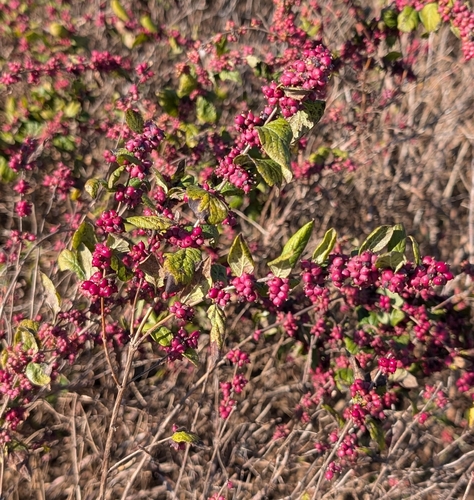
The Coralberry is an evergreen shrub with glossy, dark green leaves that have wavy edges. It produces small, star-shaped white flowers in summer, followed by striking clusters of bright red berries that often last through winter, making it visually distinct.
Category
PlantsRarity
Common
Danger
1/5 · Very low
Snaps
15
Despite being pretty, eating its bright berries can make you feel ill!
In some warm places, this plant is considered super invasive!
It's also known as "Christmas berry" because of its festive look!
Its vibrant red berries can stay on the plant for over a year!
Coralberry has bright red berries that stay on its branches all winter, helping it provide food for birds when other plants are bare.
Coralberry has shiny, dark green leaves all year long, which helps it make food from sunlight even in colder months.
Coralberry can grow well in shady spots, helping it thrive in forests where sunlight is limited for other plants.
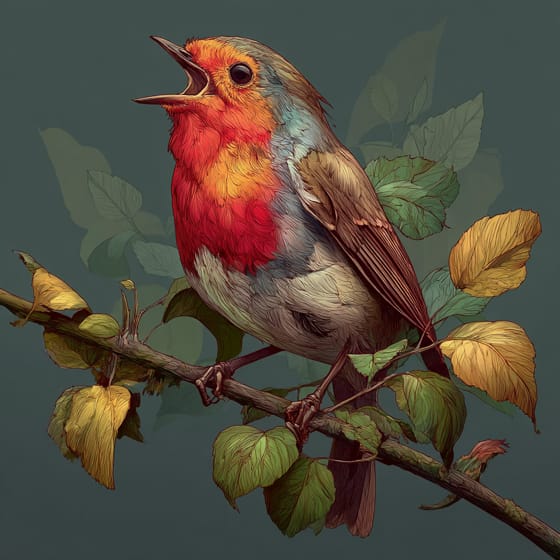
Turdus migratorius
Eats persistent berries in winter.
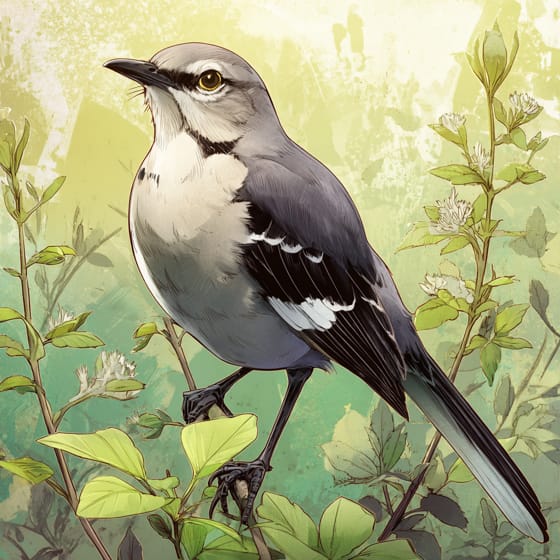
Mimus polyglottos
Feasts on the bright red fruits.
Apis mellifera
Visits small white flowers for nectar.
Flowering plants are any plants that produce flowers as part of their reproductive cycle.
A shrub is a woody plant smaller than a tree, typically with multiple stems branching from or near the ground.
Evergreen plants retain their foliage throughout the year, never shedding all their leaves at once.
Fruit-bearing plants produce fruits, which are the mature ovaries of flowering plants containing seeds.

Colorful describes organisms or objects displaying a wide range of bright and distinct colors.

Describes plants that are particularly attractive and beneficial to a wide range of pollinating organisms.

This habitat trait indicates species that can coexist with humans in urban and suburban environments, utilizing man-made structures and green spaces.
Danger
1/5 · Very low
Do not eat the berries, as they are not safe for people.
The easiest way to identify Coralberry is to use the Snappit nature identifier app.
50-200 cm
50-150 cm
0.5-1 cm
Summer
No
Moderate
Perennial
Zoom in to split clusters and explore where this object has been snapped.
Oct 26, 2024
Nathan and Olive Boone Homestead State Historic SitePhoto attribution
(c) Conway Hawn, some rights reserved (CC BY)
License: CC BY 4.0 ↗
Image may be shown cropped inside the card frame.

Texas, US
You might spot Anole, Monarch, and Pinkladies.
View guide →

Florida, US
You might spot American Beautyberry and Brown Anole.
View guide →

Florida, US
You might spot Peters's Rock Agama, Brown Anole, and American Alligator.
View guide →

Virginia, US
You might spot Eastern Box Turtle and Carolina Horsenettle.
View guide →

Arkansas, US
You might spot Rainbow Trout and Spicebush Swallowtail.
View guide →

Georgia, US
You might spot Southern Toad, Anole, and Asian Lady Beetle.
View guide →
Take the discovery with you
Snap it with Snappit to identify it, learn what makes it special, and add the discovery to your collection.








.jpg&width=800)



_001.jpg&width=800)



