Eastern Gray Squirrel
## Franz Sigel Park: An Urban Oasis in the Bronx
Franz Sigel Park is a vibrant urban oasis in the Bronx, offering open green spaces and recreational facilities, making it a favorite spot for families and nature enthusiasts alike. Nestled conveniently along the Grand Concourse, this 16-acre park provides a welcome respite from city life with its pastoral landscapes, winding paths, and a surprising array of wildlife. It’s a place where the local community gathers, and visitors can experience the rhythm of the Bronx in a relaxed and active setting.
The park boasts a diverse environment, from open meadows and forested hillsides to sports fields and playgrounds. Birdwatchers will delight in the presence of species like the American Robin, House Sparrow, European Starling, Northern Cardinal, White-throated Sparrow, Dark-eyed Junco, and Yellow-bellied Sapsucker, especially during migration season, as the Bronx lies along the Atlantic Flyway. The natural turf baseball fields and basketball courts buzz with activity, while the dog run offers a dedicated space for furry friends. Even common flora such as daffodils, red deadnettle, common dandelion, red clover, curled dock, common blue violet, common hackberry, and tree-of-heaven contribute to the park's natural charm.
Franz Sigel Park is more than just a green space; it's a testament to the Bronx's natural beauty and community spirit. With its blend of recreational amenities, historical significance, and opportunities for wildlife observation, it provides a memorable escape for all ages. Whether you’re seeking a peaceful stroll, a lively game, or a chance to connect with nature, this park offers a unique and authentic Bronx experience. Don't forget to bring the Snappit nature identification app along to scan local species.
Franz Sigel Park holds a rich history, dating back to its establishment in 1885 when much of the land was purchased by the City of New York from Gerard and Mary Walton. Originally named Cedar Park, inspired by the Walton estate's "Cedar Grove," the park was later renamed in honor of Franz Sigel. Sigel (1824-1902) was a German immigrant, educator, soldier, journalist, and public official who served as a Major General in the Union Army during the American Civil War. His contributions were so significant that residents successfully petitioned the City Board of Aldermen to name the park after him following his death in 1902. Even before its official designation as a park, the site held historical importance. The western slope of the park, along Walton Avenue, was once a path used by local Indigenous peoples. During the Revolutionary War, the elevated terrain of the site provided a strategic vantage point for George Washington, Count de Rochambeau, and their military staffs to monitor British troop movements along the Harlem River. Over the years, the park has undergone renovations, including the addition of baseball and softball fields in 1964 and the construction of public restrooms in 1993, enhancing its utility for the community.
Enjoy a leisurely stroll or jog along the winding paths.
Watch a local baseball or basketball game.
Bring your dog to socialize at the dog run.
Have a picnic on the grassy hills.
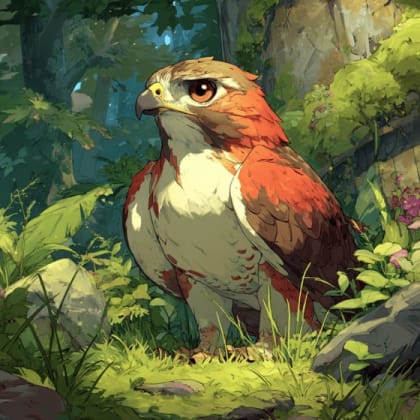
Birdwatching for species like American Robin, House Sparrow, European Starling, Northern Cardinal, and Red-tailed Hawk.
Observe Eastern Gray Squirrels and Virginia Opossums.
Spring: Witness blooming daffodils and common blue violets. Excellent for bird migration, with species like Yellow-bellied Sapsuckers passing through.
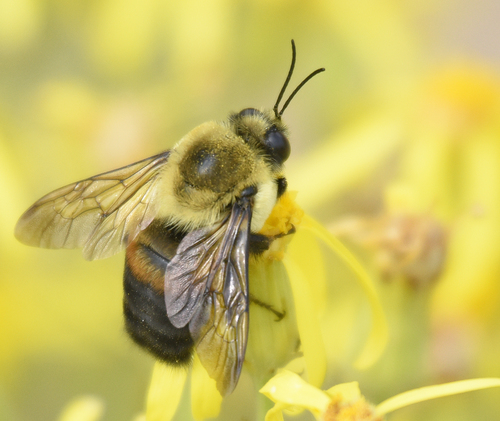
Summer: Enjoy lush greenery and active recreation on the sports fields. Keep an eye out for insects like the Eastern Cicada-killer Wasp, Brown-belted Bumble Bee, and Spotted Lanternfly.
Fall: Experience vibrant foliage. Prime time for hawk migration, with Red-tailed Hawks being a common sight.
Winter: A peaceful time for quiet walks. Look for Dark-eyed Juncos and White-throated Sparrows.
The park has public restrooms, including wheelchair-accessible ones. While entrances to playgrounds may be wheelchair accessible, not all play elements are. Pathways are generally wide and conducive to walking.
Scenic walking paths with views of the Grand Concourse.
Baseball fields and basketball courts.
The dog run, ideal for small to medium-sized dogs.
Open green spaces perfect for picnics and relaxation.
Each card links to a full Explore page with photos, traits, and fun facts.
Start with the big picture, then zoom in to explore individual wildlife observations around this place.
Wear comfortable shoes
The park has extensive walking paths and some elevated terrain, so comfortable footwear is recommended.
Bring binoculars for birdwatching
The park is a great spot for observing diverse bird species, especially during migratory periods.
Visit the dog run
If you have a canine companion, utilize the enclosed dog run for some off-leash playtime.
Consider public transport
The park is easily accessible via the Bx2 and Bx1 bus stops.
Pack a picnic
The open green spaces and grassy hills are perfect for an afternoon picnic.
Explore the "medieval-like" sections
Look for areas with elevated terrain and dense trees that create unique, castle-inspired vistas.
Mar 3, 2026
Mar 3, 2026
Mar 2, 2026
Mar 2, 2026
Mar 2, 2026

Maryland, US
You might spot White-Tailed Deer and Eastern Gray Squirrel.
View guide →
.jpg)
District of Columbia, US
You might spot Eastern Gray Squirrel, Duck, and House Sparrow.
View guide →

Illinois, US
You might spot American Robin, Canada Goose, and House Sparrow.
View guide →

Virginia, US
You might spot Spotted Lanternfly and Northern Cardinal.
View guide →
Take the discovery with you
Identify the wildlife you spot, learn as you go, and keep a collection of the adventure.