.jpg&width=800)





Common Marmoset
Callithrix jacchus
The Common Marmoset is a tiny monkey with a fluffy tail and big, bright eyes. They love to jump around in trees and are very playful, making them fun to watch!
Habitat: Forests
The Common Marmoset has a grey-brown body with a long, distinctively ringed tail and striking white ear tufts. It also features a white blaze on its forehead, making it visually distinct from other small monkeys.
Category
MammalsRarity
Common
Danger
1/5 · Very low
Snaps
Be the first to snap!
Marmoset dads carry their twin babies almost all day long!
These tiny monkeys can twist their heads nearly 180 degrees!
They "talk" using over 10 different calls, including chirps and trills!
They have super sharp claws, like tiny grappling hooks, for climbing!
Common Marmoset can tap into trees for sap using specialized teeth, which helps them access a vital energy source.
Common Marmoset families share baby-rearing duties, which helps ensure more offspring survive to adulthood.
Common Marmoset has sharp claws and strong legs that help them leap between trees with amazing agility.
They eat tree sap, fruits, and insects, making them very adaptable omnivores.
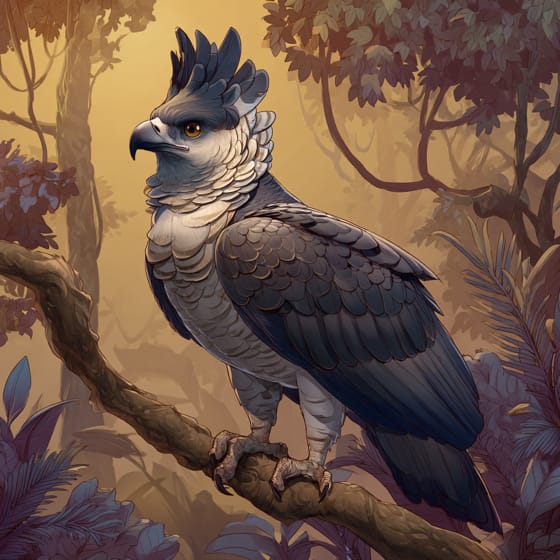
Harpia harpyja
A top avian predator in their forest habitat.
Boa constrictor
Preys on small arboreal mammals.
Ficus citrifolia
Consumes the sweet fruits for energy.
Atta cephalotes
Hunts these ants and other insects for protein.
Parkia pendula
Taps the gum from certain trees for a main food source.
Furry describes animals possessing a dense covering of soft hair or fur.
Social animals live in organized groups, cooperating for survival benefits such as foraging, defense, and raising offspring.
This trait identifies organisms whose diet includes both plant and animal matter.
Arboreal animals live primarily in trees, utilizing them for shelter, food, and protection from predators.

Forest habitats are terrestrial environments dominated by dense tree cover, supporting a high diversity of plant and animal life.

Diurnal animals are primarily active during daylight hours, typically resting or sleeping at night.

Pertaining to species that are significantly smaller than typical or average for their kind.
Danger
1/5 · Very low
Always watch from a distance and don't try to touch wild animals.
The easiest way to identify Common Marmoset is to use the Snappit nature identifier app.
18-25 cm
0.25-0.4 kg
10-15 years
20 km/h
They eat tree sap, fruits, and insects, making them very adaptable omnivores.
Forests
Foraging
Zoom in to split clusters and explore where this object has been snapped.
Recent snaps will appear here as new observations are added.
Take the discovery with you
Snap it with Snappit to identify it, learn what makes it special, and add the discovery to your collection.





.jpg&width=800)

.JPG&width=800)



.jpg&width=800)
