





Gunnison's Prairie Dog
Cynomys gunnisoni
Gunnison's prairie dogs are small, social animals that live in big families called colonies. They dig tunnels in the ground and love to play and chatter with each other!
Habitat: Grasslands
The Gunnison's Prairie Dog is a small, sturdy rodent with yellowish-tan to cinnamon-brown fur, lighter on its belly. It has small ears and a short tail tipped in white, which helps distinguish it from other prairie dog species.
Category
MammalsRarity
Common
Danger
1/5 · Very low
Snaps
2
Baby prairie dogs, called pups, are born blind and helpless underground!
Their underground 'towns' can have hundreds of interconnected burrows!
They often use a special 'jump-yip' call to show they are feeling safe!
They stand tall on their hind legs like tiny sentinels to scout for danger!
Gunnison's Prairie Dog can dig extensive burrow systems because of its strong claws, providing shelter from predators and weather.
Gunnison's Prairie Dog can "kiss" each other using cheek glands that helps them identify individuals and strengthen colony bonds.
Gunnison's Prairie Dog can enter torpor during cold months because it helps them conserve energy when food is scarce.
This little rodent munches on fresh grasses, seeds, and flowers to stay healthy and strong!
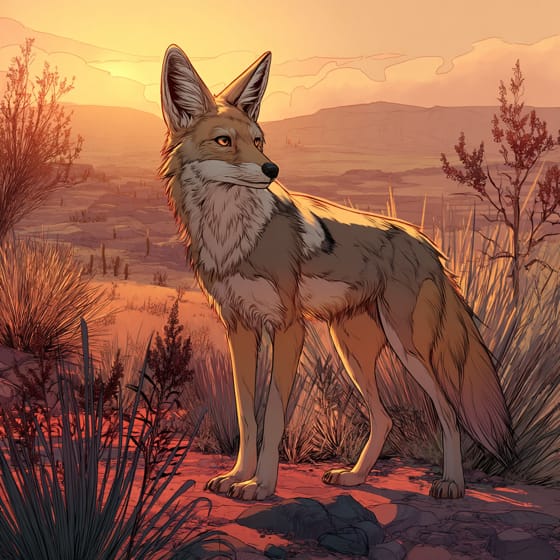
Canis latrans
A common predator in their habitat.
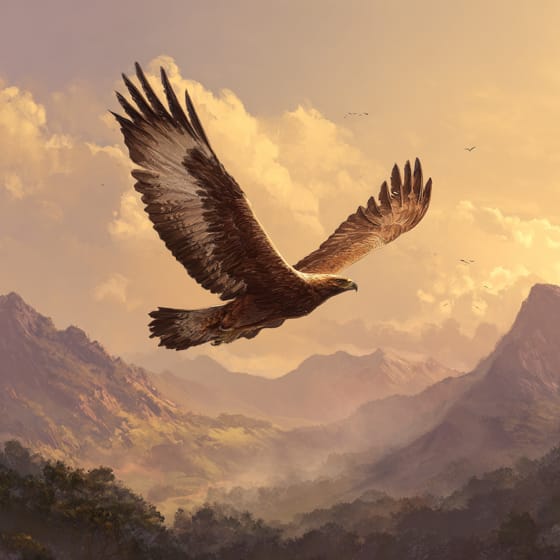
Aquila chrysaetos
Hunts them from the sky.
Mustela nigripes
This endangered ferret relies heavily on them for food.
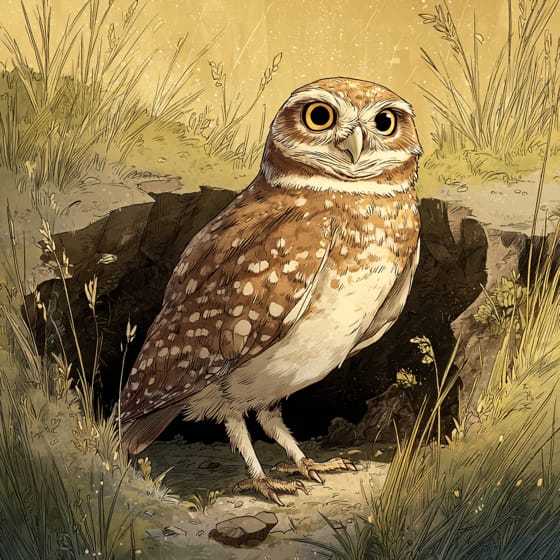
Athene cunicularia
Often uses their abandoned burrows for nests.
Furry describes animals possessing a dense covering of soft hair or fur.
Social animals live in organized groups, cooperating for survival benefits such as foraging, defense, and raising offspring.
Burrowing animals dig tunnels and chambers in the ground, using these subterranean structures for shelter, hunting, or breeding.
Grassland habitats are terrestrial biomes dominated by grasses and herbaceous plants, supporting a variety of grazing animals.

This trait characterizes organisms whose diet consists entirely or primarily of plant material.

Describes a species whose presence and role have a disproportionately large effect on its environment.
No aliases listed yet.
Danger
1/5 · Very low
Always watch from a distance and don't disturb their homes.
The easiest way to identify Gunnison's Prairie Dog is to use the Snappit nature identifier app.
30-38 cm
0.5-1.5 kg
3-5 years
55 km/h
This little rodent munches on fresh grasses, seeds, and flowers to stay healthy and strong!
Grasslands
Foraging
Zoom in to split clusters and explore where this object has been snapped.

Arizona, US
You might spot Golden Eagle, Black Bear, and Cougar.
View guide →

New Mexico, US
You might spot Black-Billed Magpie and Gunnison's Prairie Dog.
View guide →

New Mexico, US
You might spot Black-Billed Magpie and Gunnison's Prairie Dog.
View guide →
Take the discovery with you
Snap it with Snappit to identify it, learn what makes it special, and add the discovery to your collection.




.jpg&width=800)



.JPG&width=800)
.jpg&width=800)
