





Bears
ursidae
Bears are large and powerful animals that roam the forests and mountains. They can be very playful and love to swim in rivers and lakes!
Habitat: Bears live in forests, mountains, and sometimes in arctic regions.
The Bears are large, powerful mammals typically recognized by their robust bodies, short strong legs, and distinct snouts. They often have shaggy fur that comes in colors like brown, black, white, or even yellowish-orange. Their small, rounded ears are also a common characteristic.
Category
MammalsRarity
Common
Danger
4/5 · High
Snaps
Be the first to snap!
A group of bears is called a 'sleuth' or a 'sloth'!
Newborn bear cubs are born blind, hairless, and incredibly tiny!
Polar bears have black skin under their white fur to absorb sun!
Some bears can stand on their hind legs to get a better view!
Bears can sniff out food from miles away because of their incredibly powerful sense of smell, aiding in finding mates and prey.
Bears can survive long, cold winters by entering a deep sleep called hibernation that helps them conserve energy.
Many bears can climb trees with ease because of their strong claws and agile bodies, helping them escape danger or find food.
Bears are omnivores, eating fruits, nuts, insects, fish, and sometimes larger animals.
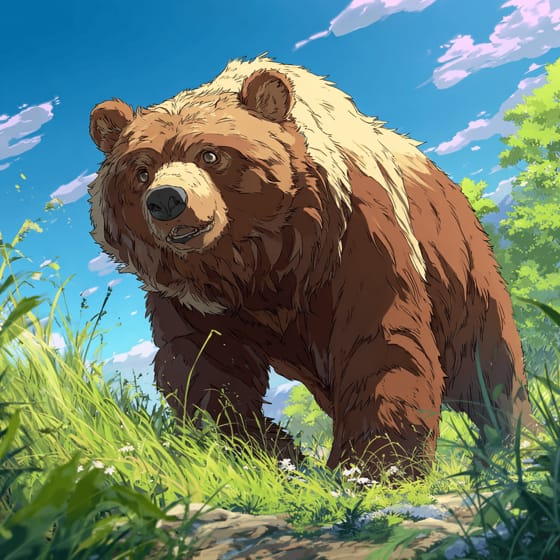
Ursus arctos
Brown bears feast on salmon during spawning runs.
Ursus americanus
Black bears frequently consume blueberries.
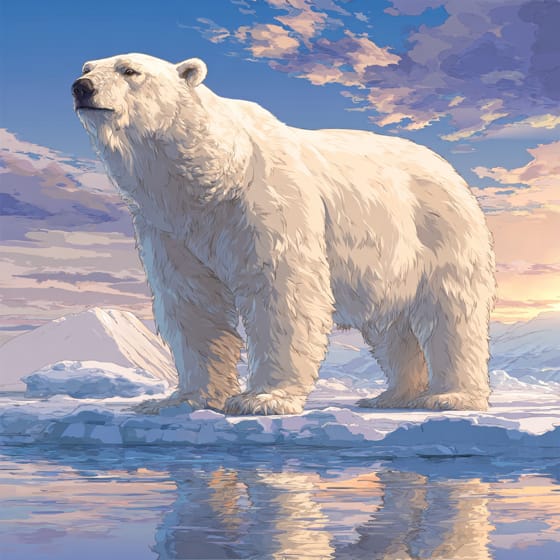
Ursus maritimus
Polar bears are expert predators of seals.
Furry describes animals possessing a dense covering of soft hair or fur.
Solitary animals live alone for most of their lives, only interacting with others for mating or parental care.
This trait identifies organisms whose diet includes both plant and animal matter.
Forest habitats are terrestrial environments dominated by dense tree cover, supporting a high diversity of plant and animal life.

This trait identifies organisms whose diet consists entirely or primarily of animal tissue.
Danger
4/5 · High
Never approach a bear if you see one in the wild.
The easiest way to identify Bears is to use the Snappit nature identifier app.
100-300 cm
30-800 kg
20-30 years
56 km/h
Bears are omnivores, eating fruits, nuts, insects, fish, and sometimes larger animals.
Bears live in forests, mountains, and sometimes in arctic regions.
Foraging
Zoom in to split clusters and explore where this object has been snapped.
Recent snaps will appear here as new observations are added.
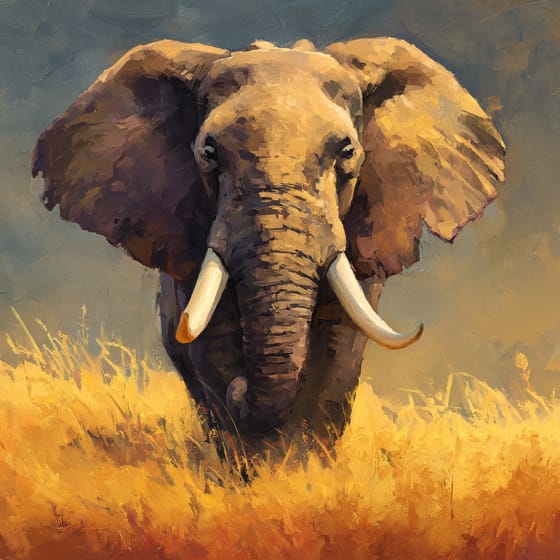
England, UK
You might spot African Elephant, Bornean Orangutan, and Tiger.
View guide →
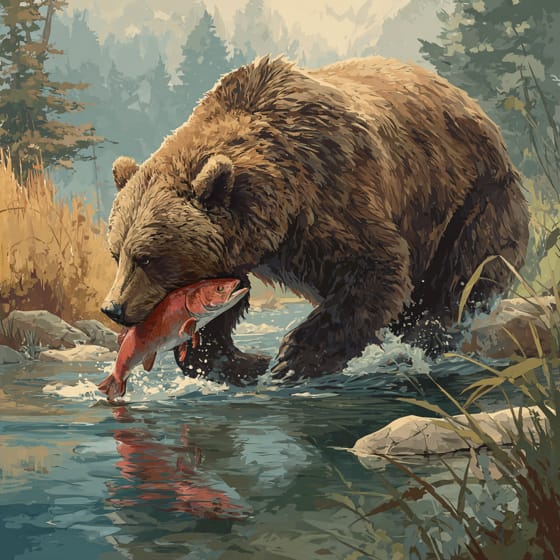
Tennessee, US
You might spot Grizzly Bear, Polar Bear, and African Elephant.
View guide →
California, US
You might spot Grizzly Bear, Gray Wolf, and California Condor.
View guide →

Georgia, US
You might spot Giant Panda, African Elephant, and African Lion.
View guide →
.jpg)
Ústí nad Labem Region, CZ
You might spot Bears, South American Tapir, and Macaques.
View guide →

Colorado, US
You might spot African Penguin, Red Panda, and African Lion.
View guide →
Take the discovery with you
Snap it with Snappit to identify it, learn what makes it special, and add the discovery to your collection.




.jpg&width=800)


.JPG&width=800)



.jpg&width=800)
