





Common Shrew
Sorex araneus
The Common Shrew is a tiny mammal with a long snout and a furry body. They are quick and love to scurry around looking for insects and worms to eat!
Habitat: Grasslands
The Common Shrew has a velvety, dark brown back that fades to a lighter, greyish-white belly. It features a long, pointed, mobile snout, tiny eyes, and small, almost hidden ears, making it visually distinct from mice or voles.
Category
MammalsRarity
Common
Danger
1/5 · Very low
Snaps
Be the first to snap!
A shrew's tiny heart can beat an astonishing 1200 times per minute, making them super speedy!
Common Shrews eat up to 90% of their body weight daily, needing food every few hours!
Red-tipped teeth make them strong for crunching tough insect exoskeletons!
Unlike many small mammals, Common Shrews do not hibernate, staying active even through winter.
Common Shrews can shrink their skull and brain in winter, helping them survive cold periods with less energy and food.
Common Shrews have a unique 'caravan' behavior where young link up to travel safely behind their mother in a line.
Common Shrews use their incredibly long, mobile snouts to constantly probe and find hidden insects and worms underground.
These tiny hunters constantly search for insects and other small invertebrates to fuel their speedy lives.

Strix aluco
A common nocturnal predator that often hunts shrews.
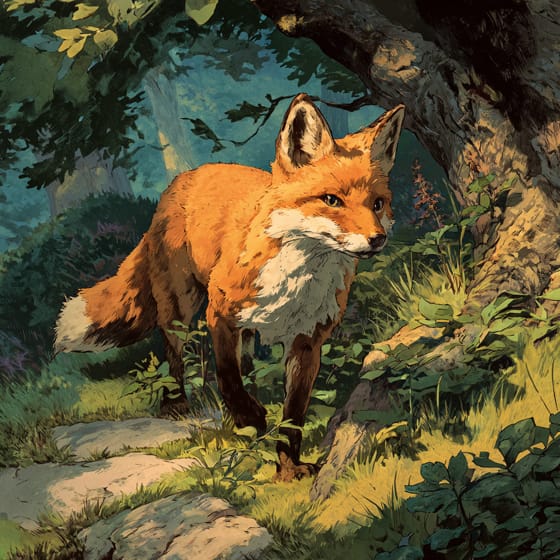
Vulpes vulpes
Often preys on shrews, though their scent can make them less appealing.
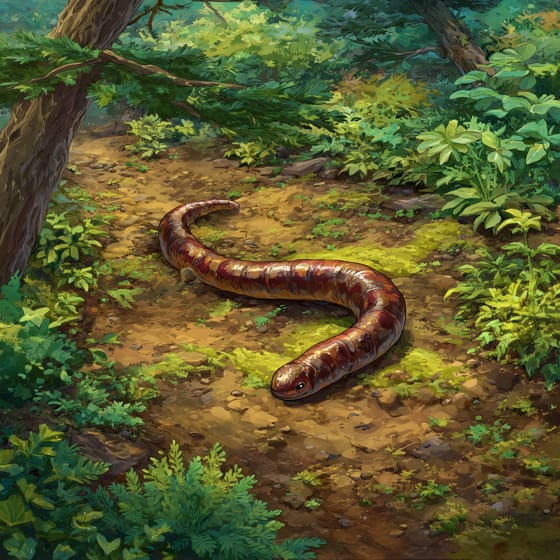
Lumbricus terrestris
An important food source, often dug out from underground.

Pterostichus melanarius
One of many beetle species consumed by the hungry shrew.
Furry describes animals possessing a dense covering of soft hair or fur.
Solitary animals live alone for most of their lives, only interacting with others for mating or parental care.
Grassland habitats are terrestrial biomes dominated by grasses and herbaceous plants, supporting a variety of grazing animals.
This trait identifies organisms whose diet primarily consists of insects and other small invertebrates.

This trait identifies organisms whose diet consists entirely or primarily of animal tissue.

This trait identifies organisms that exhibit exceptional swiftness in movement for hunting, escape, or travel.
No aliases listed yet.
Danger
1/5 · Very low
Shrews are small and shy, so it's best to watch them from a distance.
The easiest way to identify Common Shrew is to use the Snappit nature identifier app.
6-9 cm
0.005-0.012 kg
1-1.5 years
7 km/h
These tiny hunters constantly search for insects and other small invertebrates to fuel their speedy lives.
Grasslands
Foraging
Zoom in to split clusters and explore where this object has been snapped.
Recent snaps will appear here as new observations are added.
Take the discovery with you
Snap it with Snappit to identify it, learn what makes it special, and add the discovery to your collection.




.jpg&width=800)



.JPG&width=800)


.jpg&width=800)
