





Red Kangaroo
Osphranter rufus
The Red Kangaroo is the largest kangaroo and can hop really fast! They have strong legs and a long tail that helps them balance while jumping around in the wild.
Habitat: Grasslands
The Red Kangaroo is the largest marsupial, with males having a distinctive reddish-brown fur, while females are typically bluer-grey. It has powerful hind legs for hopping, a muscular tail for balance, and relatively small forelimbs.
Category
MammalsRarity
Common
Danger
2/5 · Low
Snaps
Be the first to snap!
A group of kangaroos is called a mob, troop, or herd.
Male kangaroos can 'box' each other using their powerful legs and sharp claws!
Red kangaroos can go for long periods without drinking, getting most water from plants.
Their eyes are on the sides of their head, giving them a wide view without turning.
Red Kangaroos can lick their forearms, allowing evaporating saliva to cool blood vessels, helping them beat the desert heat.
Red Kangaroos have 'embryonic diapause,' letting them pause a pregnancy until an older joey leaves the pouch, ensuring survival.
Red Kangaroos use their thick, muscular tail as a counterbalance when hopping at speed and as a sturdy 'fifth leg' when standing.
Red Kangaroos are plant-eaters, mostly munching on grasses and leaves.
Canis dingo
Dingoes prey on young or less healthy kangaroos.
Aquila audax
Eagles can snatch smaller joeys or injured kangaroos.
Astrebla lappacea
Kangaroos graze on this abundant grass in their habitat.
Furry describes animals possessing a dense covering of soft hair or fur.
Social animals live in organized groups, cooperating for survival benefits such as foraging, defense, and raising offspring.
Grassland habitats are terrestrial biomes dominated by grasses and herbaceous plants, supporting a variety of grazing animals.
This trait characterizes organisms whose diet consists entirely or primarily of plant material.

Diurnal animals are primarily active during daylight hours, typically resting or sleeping at night.

This trait identifies organisms that exhibit exceptional swiftness in movement for hunting, escape, or travel.

Migratory animals undertake seasonal movements from one region to another, typically in response to changes in climate or food availability.
Danger
2/5 · Low
Keep a safe distance and watch kangaroos from afar; they are wild animals.
The easiest way to identify Red Kangaroo is to use the Snappit nature identifier app.
85-160 cm
18-90 kg
15-22 years
70 km/h
Red Kangaroos are plant-eaters, mostly munching on grasses and leaves.
Grasslands
Grazing
Zoom in to split clusters and explore where this object has been snapped.
Recent snaps will appear here as new observations are added.

Texas, US
You might spot Giraffes, African Lion, and Eastern Black Rhinoceros.
View guide →
.jpg&width=800)
Ohio, US
You might spot Reticulated Giraffe, Zebra, and American Bison.
View guide →
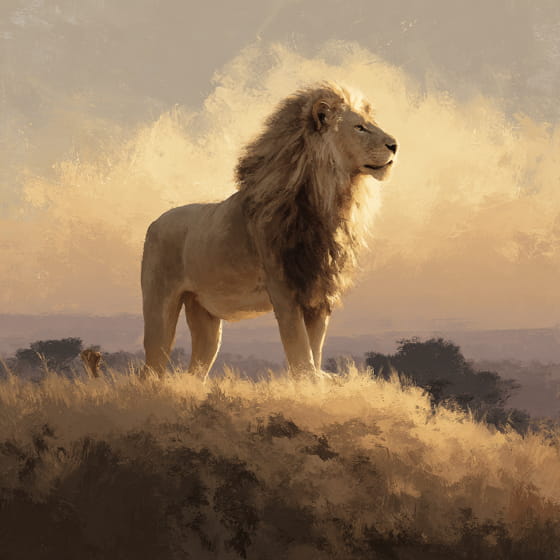
New Jersey, US
You might spot African Lion, Snow Leopard, and Reticulated Giraffe.
View guide →
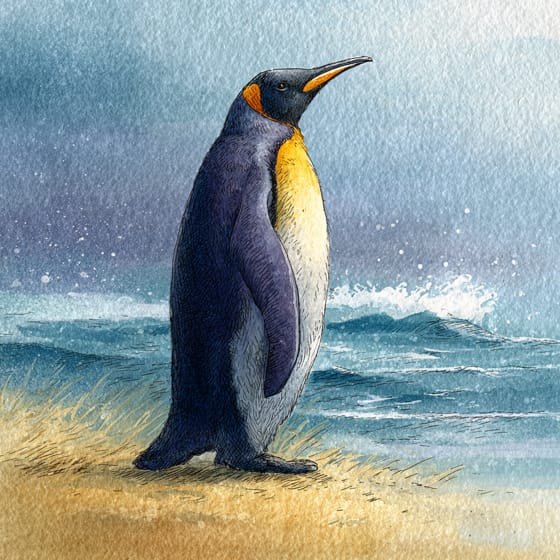
Michigan, US
You might spot King Penguin, Macaroni Penguin, and Polar Bear.
View guide →
Massachusetts, US
You might spot African Lion, Tiger, and Southern White Rhinoceros.
View guide →
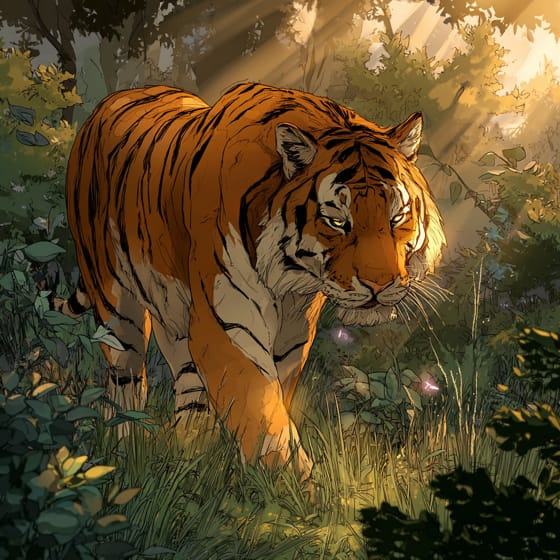
Oklahoma, US
You might spot Tiger, Snow Leopard, and Komodo Dragon.
View guide →
Take the discovery with you
Snap it with Snappit to identify it, learn what makes it special, and add the discovery to your collection.





.jpg&width=800)


.JPG&width=800)

.jpg&width=800)
