





common snowdrop
Galanthus nivalis
The common snowdrop is a lovely flower that blooms early in spring. Its white petals look like little drops of snow, making it a cheerful sight after winter!
Habitat: Woodlands
The common snowdrop has delicate, nodding, bell-shaped white flowers. Each flower typically features three larger outer petals and three smaller inner petals with green markings at their tips. It grows from a bulb, sporting slender, grey-green leaves.
Category
PlantsRarity
Common
Danger
2/5 · Low
Snaps
5
An important medicine, galanthamine, originally came from snowdrop bulbs and helps with memory.
Each tiny seed has a tasty treat called an elaiosome that ants love, helping them spread the seeds around!
Its scientific name, 'Galanthus nivalis,' means 'milk flower of the snow,' perfect for its appearance!
Snowdrops were first introduced to the UK by monks in the 16th century, spreading across Europe.
The common snowdrop can produce its own heat, melting snow around it to bloom earlier than other plants.
Snowdrops contain natural 'antifreeze' proteins that protect their cells from damage in freezing temperatures.
This plant has special chemicals called alkaloids that make it taste bad to animals, keeping it safe from hungry nibblers.
Apis mellifera
Visits early flowers for nectar and pollen.
Bombus terrestris
One of the first insects active in cold weather.
Arion lusitanicus
May feed on leaves or flowers if available.
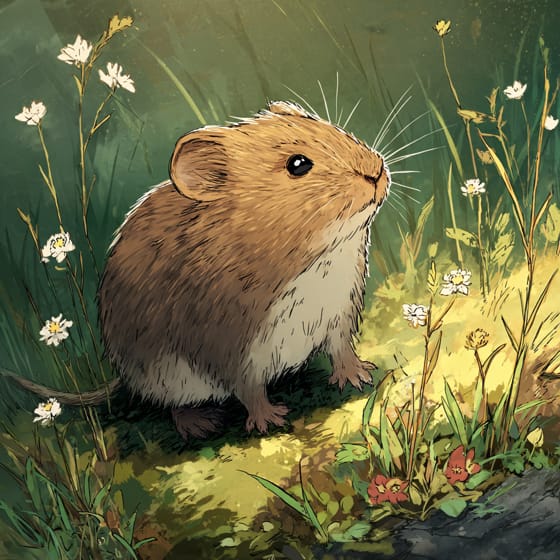
Microtus arvalis
Can dig up and consume snowdrop bulbs.
Flowering plants are any plants that produce flowers as part of their reproductive cycle.
Shade tolerant plants are adapted to grow and thrive in areas with low light levels, requiring less direct sunlight.
Spring blooming plants produce their flowers during the spring season, often signifying the end of winter and the start of new growth.
Cold hardy plants are able to withstand low temperatures and freezing conditions without significant damage.

Fragrant flowers emit a pleasant aroma, often to attract pollinators or for defense.

Describes plants that are particularly attractive and beneficial to a wide range of pollinating organisms.

Forest habitats are terrestrial environments dominated by dense tree cover, supporting a high diversity of plant and animal life.
Danger
2/5 · Low
Do not eat any part of the snowdrop, as it can make you feel sick.
The easiest way to identify common snowdrop is to use the Snappit nature identifier app.
10-25 cm
5-10 cm
2-3 cm
Late winter to early spring
No
Mild
Perennial
Zoom in to split clusters and explore where this object has been snapped.

New Jersey, US
You might spot Monarch, Great Blue Heron, and American Robin.
View guide →

Ohio, US
You might spot Duck, Canada Goose, and Muscovy Duck.
View guide →

Pennsylvania, US
You might spot Duck, Staghorn Sumac, and American Robin.
View guide →

Massachusetts, US
You might spot Eastern White Pine and Pink Lady's Slipper.
View guide →

Oregon, US
You might spot Green Alkanet, Western Sword Fern, and Pacific Banana Slug.
View guide →
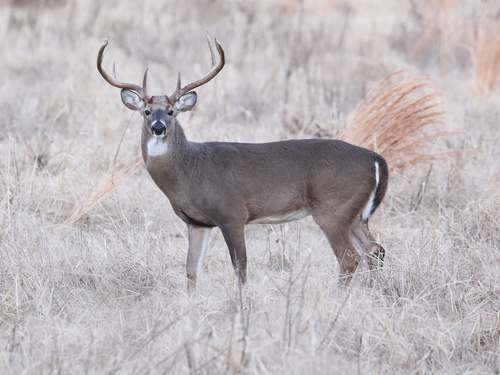
Virginia, US
You might spot White-Tailed Deer and Eastern Skunk Cabbage.
View guide →
Take the discovery with you
Snap it with Snappit to identify it, learn what makes it special, and add the discovery to your collection.







.jpg&width=800)


_001.jpg&width=800)



