





Common Spreadwing
Lestes sponsa
The Common Spreadwing is a beautiful dragonfly with long wings that spread out like a fan. They love to fly around ponds and wetlands, where they can be seen gliding gracefully in the air.
Habitat: Wetlands
The Common Spreadwing has a slender body, often metallic green or bronze with distinctive black markings. Males can develop bright blue spots near their tail. Its clear wings are held wide open even when resting, a key feature distinguishing it from other damselflies.
Category
InsectsRarity
Common
Danger
1/5 · Very low
Snaps
Be the first to snap!
Baby spreadwings, called nymphs, live underwater for months, breathing through gills!
Despite their small size, they are fierce predators of annoying mosquitoes!
They shed their entire skin multiple times as they grow, like a tiny dragon!
When mating, a male and female Common Spreadwing form a fascinating 'heart' shape.
Common Spreadwing has huge compound eyes that help them spot tiny flying insects from far away.
Common Spreadwing can zip and dart through the air because of its powerful wings, catching food mid-flight.
Common Spreadwing holds its wings wide open at rest, a unique pose that makes it easy to identify.
Nimble aerial hunter, gobbling up tiny flying insects with amazing speed!
Age differences: Nymphs eat aquatic invertebrates; adults eat flying insects.
Culex pipiens
Keeps mosquito populations in check.
Turdus merula
A tasty snack for many birds.
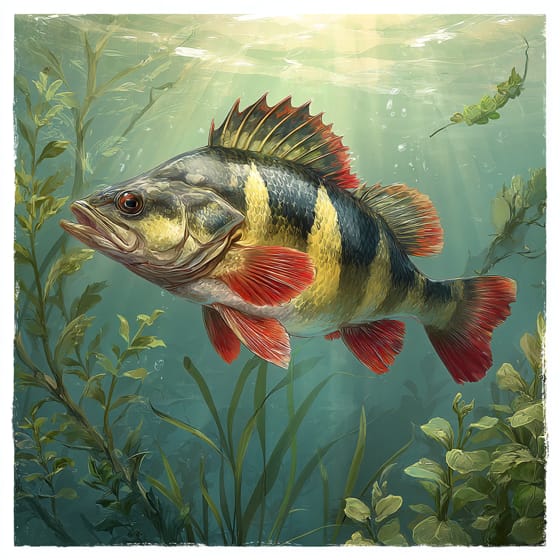
Perca fluviatilis
Fish feast on its underwater babies.
Aerial creatures spend a significant portion of their lives airborne, utilizing flight for various activities such as hunting, migration, or nesting.
Colorful describes organisms or objects displaying a wide range of bright and distinct colors.
Gliding animals move through the air by launching themselves and maintaining flight with specialized body structures, without flapping wings.
This trait identifies organisms whose diet primarily consists of insects and other small invertebrates.

This habitat trait identifies species found in wetlands, which are areas of land saturated with water, either permanently or seasonally, including marshes, swamps, and bogs.

Diurnal animals are primarily active during daylight hours, typically resting or sleeping at night.

Freshwater habitats include non-saline aquatic environments such as rivers, lakes, ponds, and wetlands, vital for numerous species.

This trait identifies organisms that exhibit exceptional swiftness in movement for hunting, escape, or travel.

Describes organisms that transfer pollen, enabling the fertilization and reproduction of plants.
No aliases listed yet.
Danger
1/5 · Very low
Always watch dragonflies from a distance and don't try to catch them.
The easiest way to identify Common Spreadwing is to use the Snappit nature identifier app.
40-55 mm
35-45 mm
30-90 days
10 km/h
Nimble aerial hunter, gobbling up tiny flying insects with amazing speed!
Wetlands
Pursuit
Zoom in to split clusters and explore where this object has been snapped.
Recent snaps will appear here as new observations are added.
Take the discovery with you
Snap it with Snappit to identify it, learn what makes it special, and add the discovery to your collection.








.jpg&width=800)



