





Black-Footed Drone Fly
eristalis hirta
The Black-Footed Drone Fly is a fascinating insect that looks like a tiny bee! Kids will love watching it buzz around flowers, helping to pollinate them.
Habitat: Gardens, parks, and near bodies of water.
The Black-Footed Drone Fly is a plump, hairy insect strikingly similar to a bumblebee, with a body often banded in black and yellow or orange. Its defining characteristic is its dark, almost entirely black, legs, distinguishing it from many other hoverflies. It has large eyes and a single pair of clear wings.
Category
InsectsRarity
Common
Danger
0/5 · No known danger
Snaps
Be the first to snap!
Adult drone flies can taste sweet nectar with their feet before even landing.
Their 'rat-tailed maggot' larvae breathe underwater using a snorkel-like tail!
These flies use their huge compound eyes to see almost all the way around them.
Though they look like bees, drone flies cannot sting – they are totally harmless!
Black-Footed Drone Fly can look exactly like a bee or wasp because of its body shape and colors, which helps them scare away predators.
Black-Footed Drone Fly can hover perfectly still in the air because of its powerful flight muscles, which helps them feed on flowers.
Black-Footed Drone Fly has fuzzy bodies that pick up pollen easily, which helps them spread pollen between flowers as they feed.
Black-Footed Drone Fly larvae can live in stagnant, murky water because they have a long breathing tube, which helps them survive where others can't.
Adult drone flies sip sweet nectar from flowers, while their larvae are amazing nature's clean-up crew!
Age differences: Larvae (rat-tailed maggots) consume decaying organic matter, bacteria, and algae in water. Adults feed on nectar and pollen from flowers.
_Clock_-_Tennessee%2C_USA_-_May_31%2C_2014.jpg&width=800)
Taraxacum officinale
helps spread pollen for
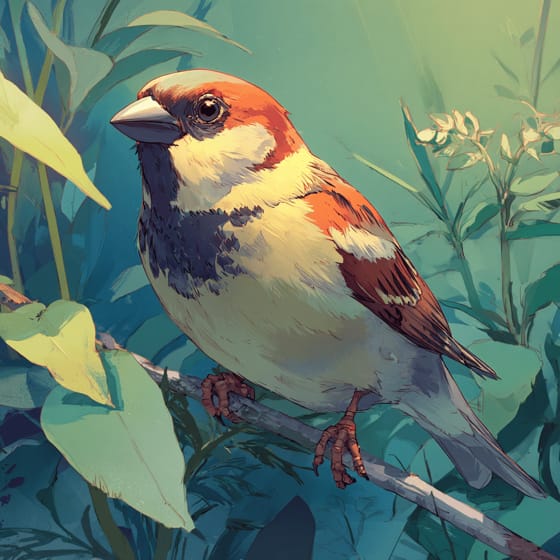
Passer domesticus
provides a food source for
Misumena vatia
gets ambushed by
Salix caprea
visits early spring catkins for
Social animals live in organized groups, cooperating for survival benefits such as foraging, defense, and raising offspring.
Colorful describes organisms or objects displaying a wide range of bright and distinct colors.
This trait characterizes organisms whose diet consists entirely or primarily of plant material.
Diurnal animals are primarily active during daylight hours, typically resting or sleeping at night.

Describes organisms that transfer pollen, enabling the fertilization and reproduction of plants.
No aliases listed yet.
Danger
0/5 · No known danger
No special safety notes yet.
The easiest way to identify Black-Footed Drone Fly is to use the Snappit nature identifier app.
15-25 mm
7-12 mm
14-28 days
8 km/h
Adult drone flies sip sweet nectar from flowers, while their larvae are amazing nature's clean-up crew!
Gardens, parks, and near bodies of water.
Foraging
Zoom in to split clusters and explore where this object has been snapped.
Recent snaps will appear here as new observations are added.
Take the discovery with you
Snap it with Snappit to identify it, learn what makes it special, and add the discovery to your collection.








.jpg&width=800)



