Dawn Redwood
Metasequoia glyptostroboides
Dawn Redwoods are ancient trees that were thought to be extinct until they were rediscovered. They have soft, feathery leaves and can grow very tall, reaching for the sky.
Habitat: Forest
The Dawn Redwood has soft, feathery, bright green needles that turn fiery orange-bronze in autumn before shedding. Its reddish-brown, often fluted trunk adds to its distinctive prehistoric look, making it easily recognized among conifers.
Category
TreesRarity
Rare
Danger
1/5 · Very low
Snaps
1
All Dawn Redwoods alive today descend from just a few ancient trees!
Its bark feels incredibly soft and spongy to the touch, unlike most trees!
This tree is the only remaining species in its entire ancient family!
Thought extinct for millions of years, it was found alive in China in 1941!
Dawn Redwood can develop a wide, buttressed trunk base that helps it stand firm in wet, even waterlogged, soils.
Dawn Redwood has an exceptionally fast growth rate, helping it quickly grow tall to reach sunlight in competitive environments.
Dawn Redwood has soft needles that turn a stunning fiery orange before falling, helping it adapt to cold winter conditions.
Rhizopogon luteolus
Helps roots absorb vital nutrients.
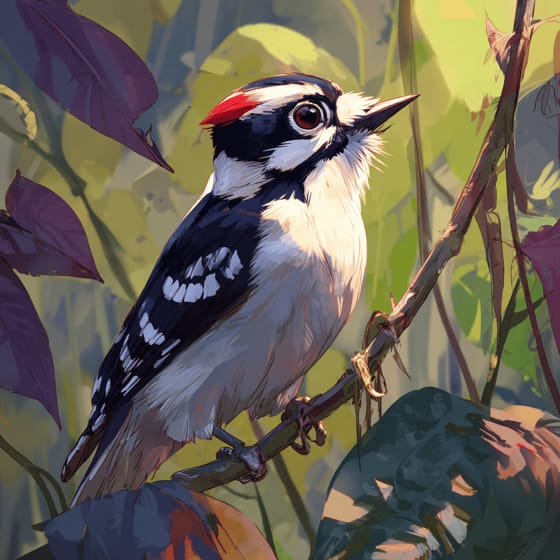
Picoides pubescens
Creates cavities for nesting and foraging.
Hypogymnia physodes
Grows on its bark for support and light.
Deciduous plants periodically shed all their leaves, typically during autumn or dry seasons.
Coniferous plants are typically evergreen, bearing needles or scales and reproductive cones.
Fall color refers to the seasonal change in foliage pigmentation, primarily in deciduous plants, displaying vibrant hues.
Rapid growing plants exhibit accelerated growth rates, quickly increasing in size and biomass within a short period.

This trait signifies organisms belonging to a very old evolutionary group with ancestors dating back millions of years.

Forest habitats are terrestrial environments dominated by dense tree cover, supporting a high diversity of plant and animal life.

This trait characterizes organisms with an exceptionally long lifespan compared to others of their kind.
Danger
1/5 · Very low
Enjoy the beauty of these trees from a safe distance and avoid climbing them.
The easiest way to identify Dawn Redwood is to use the Snappit nature identifier app.
30-50 m
7-15 m
No
100-250 cm
400-600 years
Forest
Cone
Zoom in to split clusters and explore where this object has been snapped.
Take the discovery with you
Snap it with Snappit to identify it, learn what makes it special, and add the discovery to your collection.