




Diacrodon Compressus
diacrodon compressus
Diacrodon compressus is a resilient, low-growing herbaceous plant or subshrub native to the semi-arid regions of Brazil, most notably within the Caatinga and Cerrado biomes. Belonging to the coffee family (Rubiaceae), this specialized plant has adapted to survive in harsh, nutrient-poor, and dry sandy soils. Its common presence in seasonally dry environments makes it a vital component of the local ground cover, where it helps stabilize fragile soils against wind and water erosion. While relatively inconspicuous compared to larger woody flora, Diacrodon compressus showcases the incredible adaptation of herbaceous plants to extreme, drought-prone climates. Its small, tightly packed structures and efficient water-retention mechanisms allow it to thrive where other plants wither, making it a fascinating subject for botanical study in tropical dry forest ecology.
Habitat: Found in semi-arid shrublands, Caatinga vegetation, and sandy or rocky soils of seasonal dry forests in Brazil.
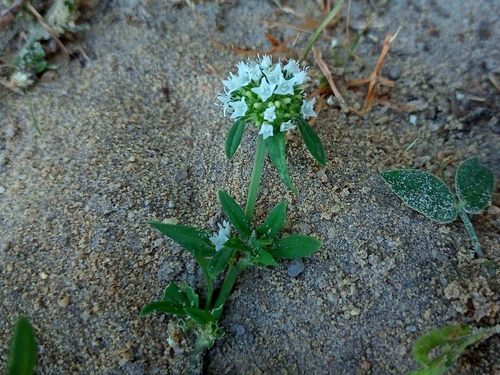
This species typically grows as a small, sprawling herb or subshrub with highly compressed, decumbent, or ascending stems. It features small, opposite, sessile leaves that are lanceolate to elliptic in shape, often with slightly revolute margins to conserve moisture. The flowers are small, inconspicuous, and typically white or pale lilac, clustered in the leaf axils. The most distinctive feature is its compressed, flattened capsules or dry fruits (schizocarps), which give the species its specific epithet compressus.
Category
PlantsRarity
Common
Danger
1/5 · Very low
Snaps
Be the first to snap!
During intense dry spells, it can shed leaves or appear completely dead, only to revive rapidly within days of the first rain.
It belongs to the Rubiaceae family, making it a very distant relative of the commercial coffee plant.
Its species name 'compressus' refers to its flattened, compressed dry fruits, which help in efficient packing of seeds.
Features small, thick, sessile leaves that reduce transpiration rates to conserve precious water during prolonged dry seasons.
Produces flattened, compact capsule fruits that are highly resilient to desiccation and easily dispersed by wind or local run-off.
Grows low to the ground to avoid harsh drying winds and maximize shade under larger desert shrubs.
As an autotrophic plant, it creates its own energy through photosynthesis, converting sunlight, carbon dioxide, and water into sugars.
Melipona subnitida
Visits the small flowers for nectar and pollen, acting as a key pollinator.
Kerodon rupestris
Feeds on the leaves and stems of herbaceous plants in rocky Caatinga habitats.
Furry describes animals possessing a dense covering of soft hair or fur.
Social animals live in organized groups, cooperating for survival benefits such as foraging, defense, and raising offspring.
Colorful describes organisms or objects displaying a wide range of bright and distinct colors.
This trait characterizes organisms whose diet consists entirely or primarily of plant material.
Diurnal animals are primarily active during daylight hours, typically resting or sleeping at night.
Collections for this object will appear here as more themes are added.
Danger
1/5 · Very low
No special safety notes yet.
Start with the whole plant, then compare leaf arrangement, leaf edges, stems and any flowers or fruit. Opposite leaves grow in pairs; alternate leaves come one at a time along the stem. These details tell you far more together than a single green leaf does. Plant Identifier: upload a photo and compare the visible details.
10-40 cm
1-5 years
As an autotrophic plant, it creates its own energy through photosynthesis, converting sunlight, carbon dioxide, and water into sugars.
Found in semi-arid shrublands, Caatinga vegetation, and sandy or rocky soils of seasonal dry forests in Brazil.
Photosynthesis
Zoom in to split clusters and explore where this object has been snapped.
Recent snaps will appear here as new observations are added.
Take the discovery with you
Snap it with Snappit to identify it, learn what makes it special, and add the discovery to your collection.