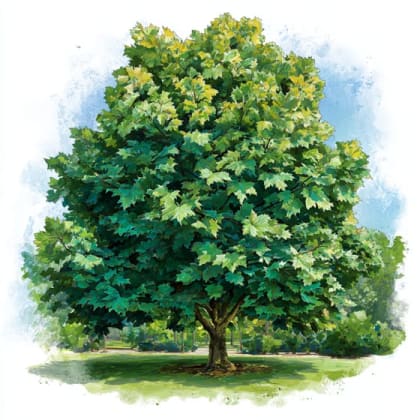





Norway Maple

Okanagan Lake Provincial Park, nestled along the picturesque shores of Okanagan Lake in British Columbia, offers an idyllic escape for nature lovers and families alike.
Okanagan Lake Provincial Park, nestled along the picturesque shores of Okanagan Lake in British Columbia, offers an idyllic escape for nature lovers and families alike. Established in 1955, this 98-hectare park is renowned for its inviting pebbly beaches, lush forests, and diverse wildlife, making it a true haven for relaxation and adventure. With panoramic views of the expansive lake and the surrounding mountains, it provides a stunning backdrop for any outdoor activity.
The park boasts a unique natural arboretum, a legacy of efforts to reforest barren hillsides with a mix of native species like Western Ponderosa Pine and Douglas-fir, alongside non-native trees such as Norway maple, Siberian elm, Russian olive, and black cottonwood. This diverse flora creates a rich habitat, supporting a variety of birds including the vibrant Steller's Jay, the familiar American Robin, and majestic Osprey soaring overhead. Visitors might also spot the distinctive Oregon grape and Woods' rose amidst the undergrowth.
Whether you're seeking a refreshing swim, an exhilarating water sport, or a tranquil moment surrounded by nature, Okanagan Lake Provincial Park promises memorable experiences. Its well-maintained campgrounds, scenic trails, and abundant wildlife viewing opportunities, including the chance to see Yellow-bellied Marmots and Mule Deer, make it a rewarding destination for all ages. The park's blend of natural beauty and recreational offerings ensures a fulfilling visit to the heart of the Okanagan Valley. Don't forget to bring the Snappit nature identification app along to scan local species.
Okanagan Lake Provincial Park was established in 1955. A notable part of its history involves an ambitious planting project undertaken to enhance the park's landscape. Initially, the area between the lake and the highway featured barren hillsides, which prompted the decision to plant thousands of non-native saplings. This early initiative led to the development of the park's distinctive arboretum, providing both shade and a rich habitat for various bird species that visitors enjoy today.
Swimming, boating, waterskiing, windsurfing, and fishing. The lake is popular for Kokanee salmon fishing in summer and rainbow trout in colder months.
Hiking: Explore the 1km trail connecting the North and South campgrounds, or venture onto the hillsides above the campgrounds.
Wildlife Viewing: Keep an eye out for birds like Mallards, Steller's Jays, American Robins, and Ospreys. Mammals such as Yellow-bellied Marmots and Mule Deer are also commonly observed. Be aware of rattlesnakes in grassy hillside areas.
Relaxation: Picnicking, sunbathing on the beaches, and enjoying the scenic lake views.
Summer (June-September): Warmest weather, ideal for all water activities. The park is at its busiest, and reservations for camping are strongly advised. A concession stand operates in the south campground during this time, and interpretive programs may be offered.
Spring/Fall: Milder temperatures, fewer crowds, excellent for hiking and enjoying the changing foliage or spring blooms.
Winter: The South Campground typically remains open for winter camping until the first snowfall, though services are limited. The North Campground usually closes during winter.
The South Campground features wide, well-packed trails leading to pit toilets. Paved roads within the campgrounds ease movement, and both campgrounds offer flush toilets and showers (check for current advisories). E-bikes are permitted on park roads but not on trails.
The beautiful pebbly beaches, panoramic lake views, two distinct campgrounds (North and South), and a variety of water sports opportunities. The park also features an interesting arboretum and a 1km trail connecting the two campgrounds.
Each card links to a full Explore page with photos, traits, and fun facts.
Start with the big picture, then zoom in to explore individual wildlife observations around this place.
Bring water shoes
The beaches consist of small pebbles, so water shoes can make swimming and walking along the shore more comfortable.
Be snake-aware
If exploring the grassy hillsides above the campgrounds, wear long pants and high boots as these areas are known rattlesnake habitats.
Reserve campsites early
Especially during the summer peak season, campsites book up quickly. Make reservations well in advance to secure your spot.
Check advisories
Before visiting, check the BC Parks website for any current advisories regarding boil water notices, trail closures (e.g., the permanent closure of the lakeside walking trail between campgrounds), or facility outages.
Explore local produce
The Okanagan Valley is known for its orchards and wineries; consider stopping at a local fruit stand for fresh produce and artisan goods near the park entrance.
Plan for fishing
If you plan to fish, ensure you have a valid British Columbia fishing license and are familiar with current regulations and limits.
Dec 31, 2025
Oct 8, 2025
Sep 13, 2025
Aug 1, 2024
Jul 27, 2023

Maryland, US
You might spot White-Tailed Deer and Eastern Gray Squirrel.
View guide →
.jpg)
District of Columbia, US
You might spot Eastern Gray Squirrel, Duck, and House Sparrow.
View guide →

Illinois, US
You might spot American Robin, Canada Goose, and House Sparrow.
View guide →

Virginia, US
You might spot Spotted Lanternfly and Northern Cardinal.
View guide →
Take the discovery with you
Identify the wildlife you spot, learn as you go, and keep a collection of the adventure.