





Douglas-Fir Tussock Moth
orgyia pseudotsugata
The Douglas-Fir Tussock Moth is a fuzzy little caterpillar that loves to munch on Douglas-fir trees! Its unique tufts of hair make it look like it's wearing a fluffy coat.
Habitat: Douglas-fir forests in North America
The Douglas-Fir Tussock Moth male is brownish-gray with wavy dark bands on its forewings and feathery antennae. Females are flightless, plump, and grayish-brown with tiny, vestigial wings. Caterpillars are covered in bristly hairs with distinctive red spots and hair tufts.
Category
InsectsRarity
Common
Danger
1/5 · Very low
Snaps
4
Female moths have no wings, waiting patiently for males to find them!
Males find females by sniffing special chemical perfumes (pheromones) from far away!
Tiny caterpillar hairs can float in air, causing itchy rashes or eye irritation!
When populations boom, caterpillars can completely strip a forest of its needles!
Douglas-Fir Tussock Moth larvae have barbed hairs that cause rashes, helping them deter predators effectively.
Douglas-Fir Tussock Moth has flightless females that release powerful pheromones to attract males from afar for mating.
Douglas-Fir Tussock Moth caterpillars can spin silk to safely drop from branches or create cozy cocoons for pupation.
Caterpillars munch on conifer needles, but the adult moths surprisingly don't eat anything at all!
Age differences: Only the caterpillar stage feeds on conifer needles; adult moths do not eat.
Pseudotsuga menziesii
Caterpillars feed on its needles, sometimes causing severe defoliation.
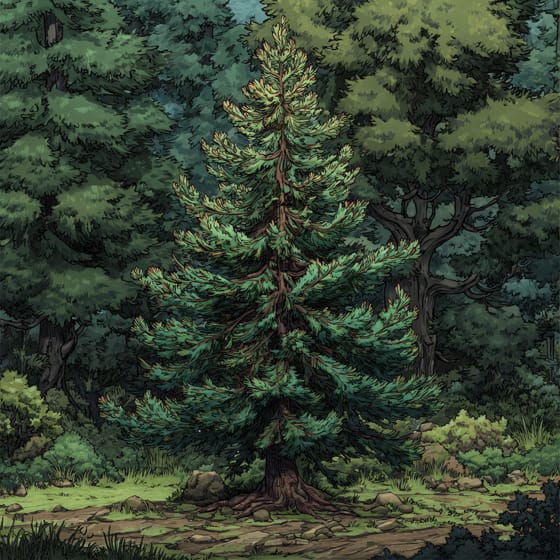
Abies grandis
Caterpillars consume its needles, potentially harming tree health and growth.
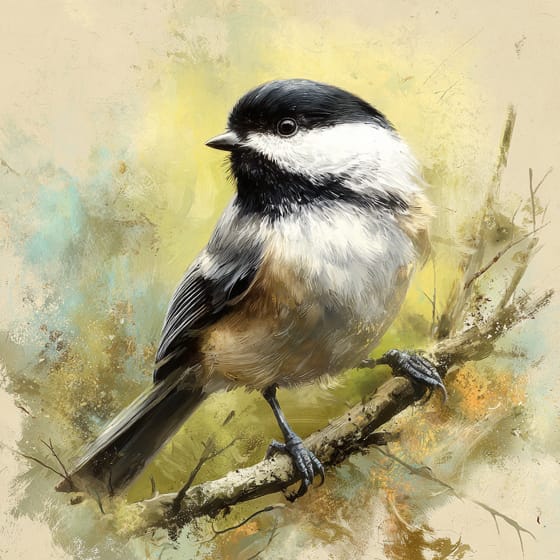
Poecile atricapillus
These birds prey on caterpillars and pupae, helping control populations.
Trichogramma minutum
Tiny wasps lay eggs inside moth eggs, controlling populations.
Furry describes animals possessing a dense covering of soft hair or fur.
Solitary animals live alone for most of their lives, only interacting with others for mating or parental care.
This trait characterizes organisms whose diet consists entirely or primarily of plant material.
Forest habitats are terrestrial environments dominated by dense tree cover, supporting a high diversity of plant and animal life.

Diurnal animals are primarily active during daylight hours, typically resting or sleeping at night.
Danger
1/5 · Very low
Avoid touching the caterpillars as their hairs can cause irritation.
The easiest way to identify Douglas-Fir Tussock Moth is to use the Snappit nature identifier app.
20-30 mm
10-15 mm
7-14 days
Caterpillars munch on conifer needles, but the adult moths surprisingly don't eat anything at all!
Douglas-fir forests in North America
Foraging
6
Zoom in to split clusters and explore where this object has been snapped.

New Mexico, US
You might spot Tree Cholla, Colorado Pinyon, and House Finch.
View guide →
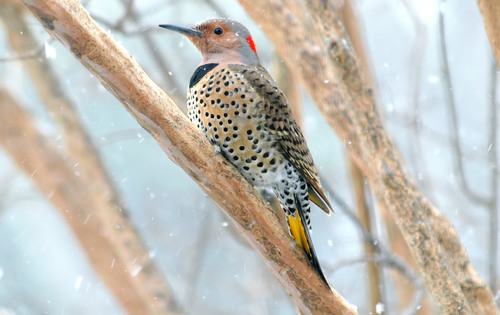
British Columbia, CA
You might spot Northern Flicker and Indian Peafowl.
View guide →

California, US
You might spot Sequoia, Thimbleberry, and Pacific Dogwood.
View guide →
Take the discovery with you
Snap it with Snappit to identify it, learn what makes it special, and add the discovery to your collection.






.jpg&width=800)



