





Black-capped Chickadee
Poecile atricapillus
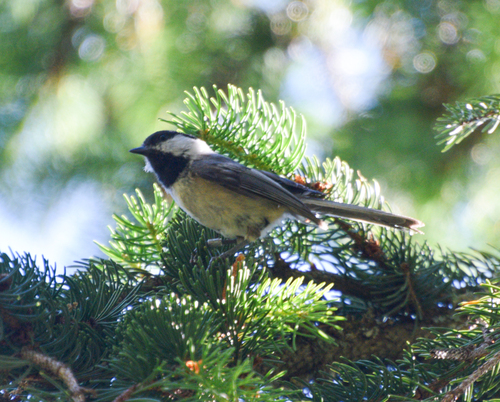
The Black-capped Chickadee is a small, friendly bird with a black cap and a white face. They love to visit backyards and are known for their cheerful chirping!
Habitat: Woodlands and gardens
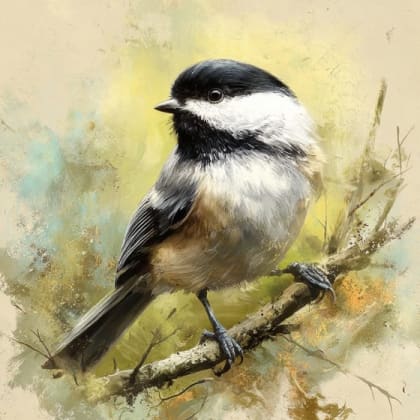
The Black-capped Chickadee is a small, plump bird with a distinctive black cap and bib, contrasting with bright white cheeks. Its back is soft gray, and its sides are a buffy or yellowish-tan. This color pattern clearly distinguishes it from other small songbirds.
Category
BirdsRarity
Common
Danger
1/5 · Very low
Snaps
135
A chickadee can hang completely upside down from a branch to find tiny insects or seeds!
Chickadees will mob and harass predators like owls to drive them away from their territory!
Their brain's memory center actually grows larger each autumn, ready for winter food hiding!
They often sleep tucked inside a cozy tree cavity, keeping them safe and warm from predators!
Black-capped Chickadee can remember thousands of food hiding spots, helping them find meals even when snow covers the ground.
Black-capped Chickadee can shiver intensely to raise its body temperature by 10-12 degrees Celsius, keeping warm on freezing nights.
Black-capped Chickadee has the ability to lower its body temperature (torpor) to save energy on very cold nights.
Black-capped Chickadee can communicate complex information through its 'chick-a-dee-dee-dee' alarm call, with more 'dees' indicating greater danger.
These tiny birds are omnivores, feasting on a mix of tasty insects, spiders, seeds, and juicy berries.

Accipiter striatus
A swift predator that ambushes chickadees for a meal.
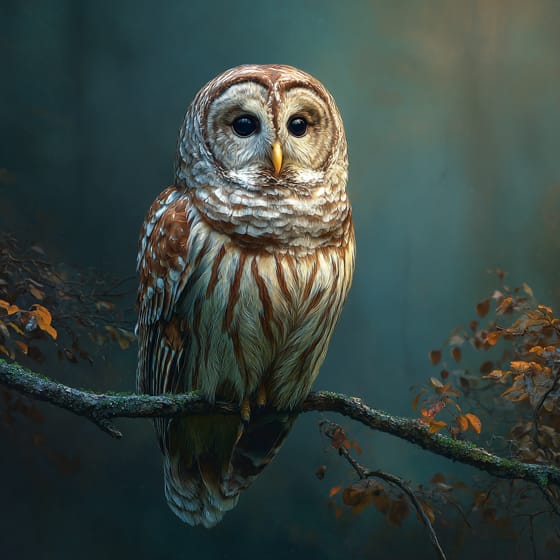
Strix varia
These nocturnal hunters can catch chickadees sleeping in their roosts.
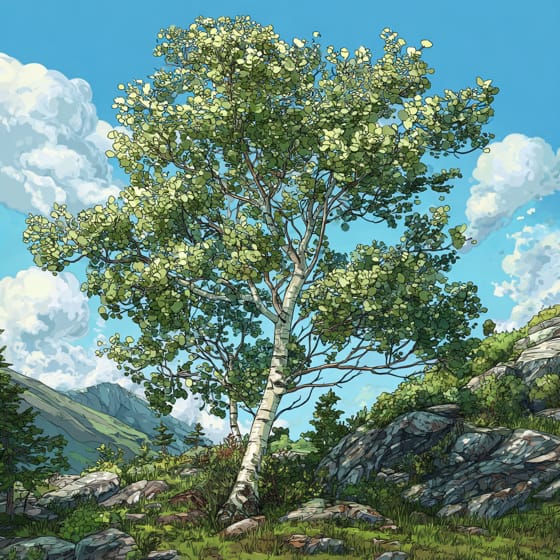
Populus tremuloides
Chickadees nest in natural cavities found in aspen trees.
Choristoneura fumiferana
Chickadees help control populations of this destructive forest pest.
Ixodes scapularis
They have been observed eating ticks, potentially helping reduce tick populations.
Wildlife encompasses all undomesticated animal and plant life existing in their natural habitats.
Feathered describes animals, primarily birds, possessing a covering of feathers.
Social animals live in organized groups, cooperating for survival benefits such as foraging, defense, and raising offspring.
Singing animals produce complex vocalizations, often for purposes of attracting mates, defending territory, or communicating within their species.

This trait identifies organisms whose diet primarily consists of insects and other small invertebrates.

Forest habitats are terrestrial environments dominated by dense tree cover, supporting a high diversity of plant and animal life.

Diurnal animals are primarily active during daylight hours, typically resting or sleeping at night.
No aliases listed yet.
Danger
1/5 · Very low
Chickadees are friendly and safe to watch from a distance. Always be gentle and quiet around them.
The easiest way to identify Black-capped Chickadee is to use the Snappit nature identifier app.
12-15 cm
16-21 cm
0.009-0.014 kg
2-12 years
40 km/h
These tiny birds are omnivores, feasting on a mix of tasty insects, spiders, seeds, and juicy berries.
Woodlands and gardens
Zoom in to split clusters and explore where this object has been snapped.
Jun 13, 2026
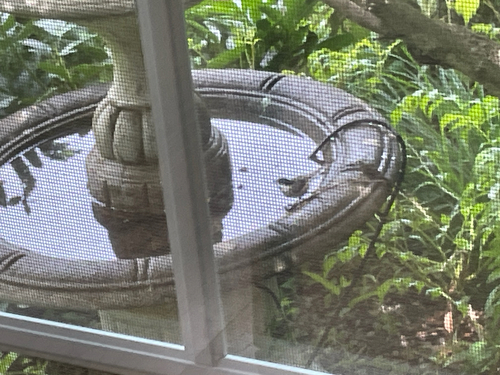
Wellfleet Bay Wildlife SanctuaryPhoto attribution
(c) Natasha Haggard, some rights reserved (CC BY)
License: CC BY 4.0 ↗
Image may be shown cropped inside the card frame.
May 31, 2026
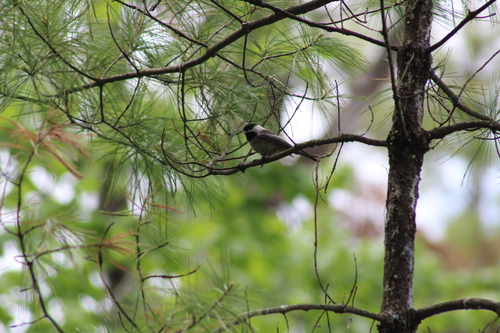
Shenipsit TrailPhoto attribution
(c) Bobby McCabe, some rights reserved (CC BY)
License: CC BY 4.0 ↗
Image may be shown cropped inside the card frame.
May 25, 2026
Broadmoor Wildlife SanctuaryPhoto attribution
(c) Lythronax246, some rights reserved (CC BY)
License: CC BY 4.0 ↗
Image may be shown cropped inside the card frame.

Ontario, CA
You might spot Canada Jay, American Beaver, and Black-Capped Chickadee.
View guide →

Massachusetts, US
You might spot Eastern Cottontail and American Robin.
View guide →

Oregon, US
You might spot Duck, Pacific Trillium, and Wood Duck.
View guide →

New York, US
You might spot American White Waterlily, Buttonbush, and Common Milkweed.
View guide →

Washington, US
You might spot Pacific Banana Slug and Oregon Forestsnail.
View guide →
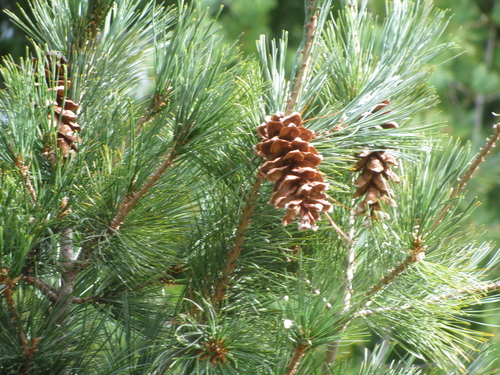
New Hampshire, US
You might spot Eastern White Pine, Eastern Skunk Cabbage, and Duck.
View guide →
Take the discovery with you
Snap it with Snappit to identify it, learn what makes it special, and add the discovery to your collection.




.jpg&width=800)








