.jpg&width=800)




Dung Rollers
Canthon
Dung rollers are amazing insects that help clean up animal poop! They roll the dung into balls and take it to their homes. This helps keep the environment clean and provides food for them.
Habitat: Grasslands
The Dung Rollers has a stout, often dark and iridescent body, with strong, spiny legs adapted for digging and shaping dung. Their hard, protective wing cases (elytra) can display metallic green or bronze hues, covering functional wings.
Category
InsectsRarity
Common
Danger
1/5 · Very low
Snaps
Be the first to snap!
Ancient Egyptians worshipped scarab beetles, a type of dung roller.
Dung rollers help farms by burying pest eggs and improving soil.
Some dung rollers dance on their dung ball to cool their feet!
They are the world's strongest insect relative to their size.
Dung Rollers can roll their dung balls in a perfectly straight line because they navigate using the polarization patterns of moonlight or sunlight.
Dung Rollers has incredibly strong legs and body that helps them push dung balls many times their own weight, up to 1,141 times!
Dung Rollers can sculpt dung into perfect spheres because their specialized legs allow for precise molding for their eggs.
These amazing insects eat animal droppings, recycling nutrients back into the ecosystem.
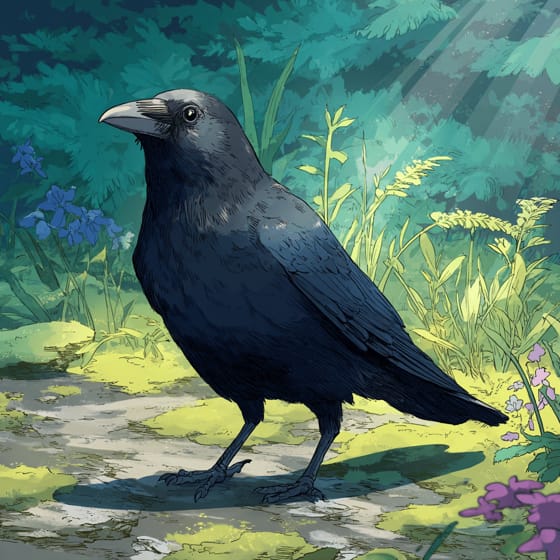
Corvus brachyrhynchos
Hunts adult and larval dung rollers in open fields.
Bufo bufo
Consumes dung rollers foraging on the ground at night.
Didelphis virginiana
Forages for insects, including dung beetles, on the ground.
Solitary animals live alone for most of their lives, only interacting with others for mating or parental care.
Scavengers consume dead organic matter, helping to decompose carcasses and other waste in the ecosystem.
Grassland habitats are terrestrial biomes dominated by grasses and herbaceous plants, supporting a variety of grazing animals.
This trait characterizes organisms whose diet consists entirely or primarily of plant material.

Describes organisms that break down dead organic material, recycling nutrients back into the ecosystem.

Diurnal animals are primarily active during daylight hours, typically resting or sleeping at night.

Describes a species whose presence and role have a disproportionately large effect on its environment.

Pertaining to species that are significantly smaller than typical or average for their kind.
No aliases listed yet.
Danger
1/5 · Very low
It's best to watch dung rollers from a distance and not touch them.
The easiest way to identify Dung Rollers is to use the Snappit nature identifier app.
7-60 mm
5-30 mm
60-365 days
10 km/h
These amazing insects eat animal droppings, recycling nutrients back into the ecosystem.
Grasslands
Foraging
Zoom in to split clusters and explore where this object has been snapped.
Recent snaps will appear here as new observations are added.
Take the discovery with you
Snap it with Snappit to identify it, learn what makes it special, and add the discovery to your collection.







.jpg&width=800)



