





White Peacock
Anartia jatrophae
The White Peacock is a beautiful butterfly with bright white wings and lovely spots. It flutters around gardens and fields, bringing joy to everyone who sees it!
Habitat: Urban areas
The White Peacock is a medium-sized butterfly with striking white wings adorned with delicate brown and black markings. Its hindwings feature prominent dark eyespots, resembling the tail feathers of a peacock. While often white, its wings can also display light tan or yellowish hues, especially on the underside.
Category
InsectsRarity
Common
Danger
1/5 · Very low
Snaps
11
Sometimes, White Peacocks migrate long distances, flying hundreds of miles to find warmer places!
These butterflies love sunshine! They often bask in sunny spots to warm up their bodies before they fly.
To drink sweet nectar, the White Peacock unrolls a long straw-like tongue called a proboscis.
White Peacock caterpillars are spiky and green or black, helping them look less tasty to predators!
White Peacock can hide from predators by resting with its wings closed, as their undersides blend perfectly with dry leaves.
White Peacock has large eyespots on its hindwings that can startle or confuse hungry birds, helping them escape.
White Peacock can quickly dart through the air, helping it escape danger and find tasty flowers for nectar.
White Peacock can taste its food with its tiny feet, helping it find the perfect leaves for its caterpillars to eat.
Adult White Peacocks sip flower nectar, while their caterpillars munch on specific leaves.
Age differences: Larvae (caterpillars) eat the leaves of host plants, while adults drink nectar from flowers.
Ruellia caroliniensis
Caterpillars munch on its leaves.
.jpg&width=800)
Tyrannus verticalis
Adult butterflies can be a snack for these birds.

Bidens alba
Adults help spread pollen while feeding on nectar.
Misumena vatia
Ambushes adult butterflies on flowers.
Marked with spots or patches of a different color.
Colorful describes organisms or objects displaying a wide range of bright and distinct colors.
This trait characterizes organisms whose diet consists entirely or primarily of plant material.
Describes plants that are particularly attractive and beneficial to a wide range of pollinating organisms.

Diurnal animals are primarily active during daylight hours, typically resting or sleeping at night.

This trait identifies organisms that exhibit exceptional swiftness in movement for hunting, escape, or travel.

This habitat trait indicates species that can coexist with humans in urban and suburban environments, utilizing man-made structures and green spaces.

Describes organisms that transfer pollen, enabling the fertilization and reproduction of plants.
Danger
1/5 · Very low
Be gentle and watch butterflies from a distance so you don't scare them away.
The easiest way to identify White Peacock is to use the Snappit nature identifier app.
35-70 mm
15-25 mm
30-60 days
12 km/h
Adult White Peacocks sip flower nectar, while their caterpillars munch on specific leaves.
Urban areas
Foraging
Zoom in to split clusters and explore where this object has been snapped.
Jun 15, 2026

Florida, US
You might spot Brown Anole, White Ibis, and Anhinga.
View guide →

Florida, US
You might spot Cuban Tree Frog, Cane Toad, and Bee.
View guide →
US
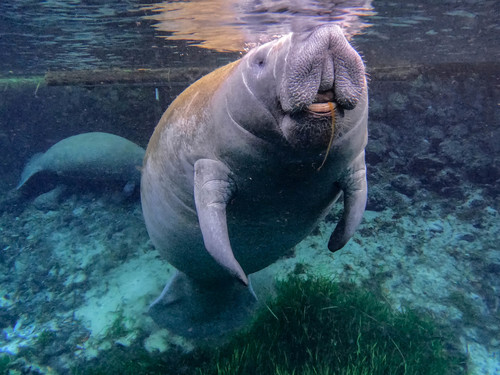
You might spot West Indian Manatee, Scarlet Skimmer, and Queen.
View guide →

US
You might spot Brown Anole, Peters's Rock Agama, and Red Mangrove.
View guide →

Florida, US
You might spot Brown Anole and Northern Curly-Tailed Lizard.
View guide →

Florida, US
You might spot Peters's Rock Agama, Green Iguana, and Brown Anole.
View guide →
Take the discovery with you
Snap it with Snappit to identify it, learn what makes it special, and add the discovery to your collection.







.jpg&width=800)



