

Eastern False Aloe
manfreda virginica
The Eastern False Aloe (Manfreda virginica), also known as the Virginia agavelike plant, is a fascinating perennial herb native to the southeastern and central United States. While it belongs to the asparagus family and closely resembles smaller desert agaves, this resilient wildflower stands out with its basal rosette of fleshy, rubbery green leaves that are often decorated with striking purple spots. In late summer, it sends up a dramatic, towering flower spike that can reach heights of up to six feet, topped with unique, spidery green-to-yellow blossoms. These blooms emit a sweet, fruity fragrance, particularly after dusk, to attract nocturnal pollinators. Historically utilized by Indigenous peoples for various medicinal purposes, the Eastern False Aloe is a tough, drought-tolerant species that thrives in dry, rocky soils where other plants struggle. It serves as an excellent addition to native rock gardens and xeriscapes, showcasing nature's ability to adapt to harsh, arid microclimates in temperate woodlands and glades.
Habitat: Found in dry, rocky woodlands, limestone glades, barrens, and prairies with well-drained, sandy soils.
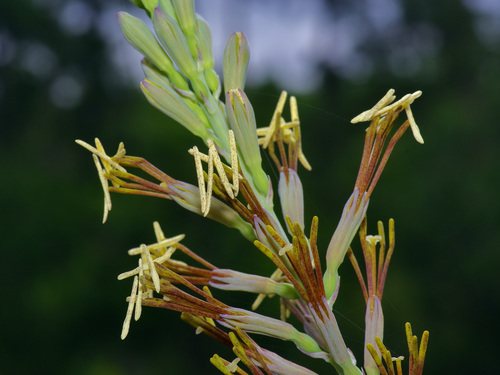
This plant features a low-growing basal rosette of succulent, strap-like leaves that are olive green, occasionally marked with dark purple mottling, and have finely serrated, rubbery margins. From July to August, it sends up a single, leafless, spear-like flower stalk rising 30 to 180 centimeters tall. The flowers are arranged in a terminal spike; each flower is tubular, greenish-yellow to brownish, and boasts remarkably long, prominent stamens that dangle outward, giving the bloom a distinctively spidery, brush-like appearance.
Category
PlantsRarity
Common
Danger
1/5 · Very low
Snaps
8
Despite its common name 'False Aloe' and its resemblance to agaves, it is actually a member of the asparagus family (Asparagaceae).
Indigenous peoples traditionally used the bulbous root of this plant to treat snakebites and as a remedy for various digestive ailments.
The flowers have exceptionally long, protruding stamens that remain open during the day but only emit their strong sweet scent once night falls.
Releases a strong, sweet, melon-like fragrance at night to guide nocturnal pollinators like hawkmoths to its spidery flowers.
Thick, succulent-like leaves store water efficiently, allowing the plant to survive in arid, rocky glades with minimal soil.
Unlike its evergreen desert-dwelling agave cousins, it dies back completely to a bulbous rootstock in winter to survive hard freezes.
As a photosynthetic plant, the Eastern False Aloe produces its own energy using sunlight, water, and carbon dioxide, drawing key nutrients from the dry, rocky soil.
Sphinx eremitus
Pollinated at night by this large, nocturnal moth attracted to the sweet-scented flowers.
Odocoileus virginianus
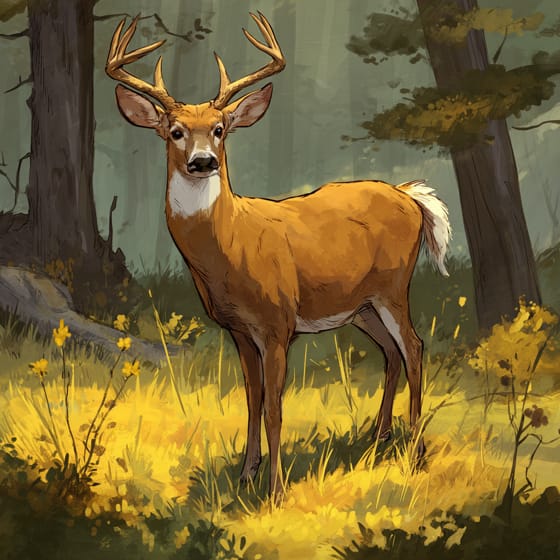
Occasionally browses on the succulent leaves, though the plant is generally deer-resistant.
No trait badges are assigned for this object yet.
No aliases listed yet.
Collections for this object will appear here as more themes are added.
Danger
1/5 · Very low
No special safety notes yet.
The easiest way to identify Eastern False Aloe is to use the Snappit nature identifier app.
30-180 cm
5-20 years
As a photosynthetic plant, the Eastern False Aloe produces its own energy using sunlight, water, and carbon dioxide, drawing key nutrients from the dry, rocky soil.
Found in dry, rocky woodlands, limestone glades, barrens, and prairies with well-drained, sandy soils.
Zoom in to split clusters and explore where this object has been snapped.

Arkansas, US
You might spot Widow's-Cross, Yucca Giant-Skipper, and Outis Skipper.
View guide →

Alabama, US
You might spot Cave Salamander and Pink Lady's Slipper.
View guide →

Arkansas, US
You might spot Rainbow Trout and Spicebush Swallowtail.
View guide →

Alabama, US
You might spot Cave Salamander and Pink Lady's Slipper.
View guide →

Alabama, US
You might spot Cave Salamander and Pink Lady's Slipper.
View guide →
Take the discovery with you
Snap it with Snappit to identify it, learn what makes it special, and add the discovery to your collection.











.jpg&width=800)



_001.jpg&width=800)




