





Chinese pistache
Pistacia chinensis
The Chinese pistache is a beautiful tree with bright green leaves that turn red and orange in fall. It grows tall and provides shade, making it a great tree for parks and gardens.
Habitat: Urban areas
The Chinese pistache is a deciduous tree known for its dark green, compound leaves that transform into brilliant shades of red, orange, and yellow in autumn. It has attractive exfoliating bark and female trees produce small, round, red to blue-purple berry-like fruits.
Category
PlantsRarity
Common
Danger
1/5 · Very low
Snaps
1
It can thrive even in tough city environments.
Its tiny fruits change color from red to blue-purple!
Male and female flowers grow on separate trees!
This tree is famous for its fiery autumn leaf show.
Chinese pistache has deep roots that allow it to find water and thrive in very dry conditions.
Chinese pistache can withstand pollution and various soil types, helping it grow strong in urban areas.
Chinese pistache has natural defenses that make it very resistant to most common pests and diseases.
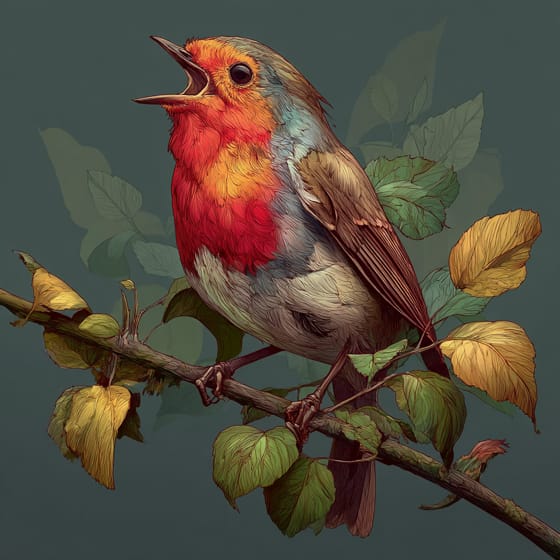
Turdus migratorius
consumes its small, colorful fruits.
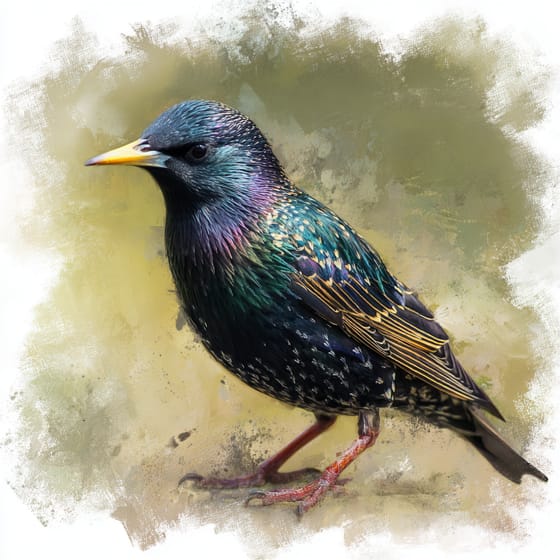
Sturnus vulgaris
feeds on the tree's abundant drupes.
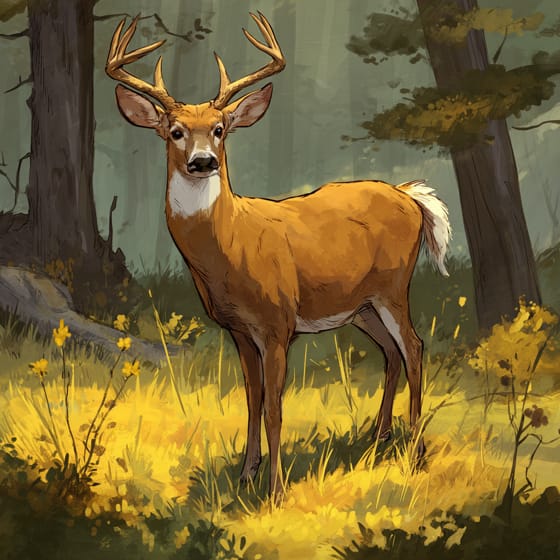
Odocoileus virginianus
browses on young leaves and twigs.
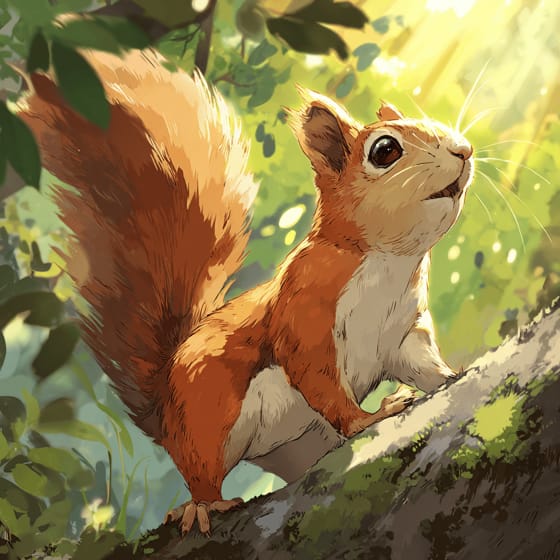
Sciurus carolinensis
builds nests and hides in its branches.
Deciduous plants periodically shed all their leaves, typically during autumn or dry seasons.
Shade tolerant plants are adapted to grow and thrive in areas with low light levels, requiring less direct sunlight.
Broadleaf trees are angiosperms characterized by flat, wide leaves that are typically shed annually in temperate climates.
Fall color refers to the seasonal change in foliage pigmentation, primarily in deciduous plants, displaying vibrant hues.

Describes plants that are particularly attractive and beneficial to a wide range of pollinating organisms.

This trait characterizes organisms with an exceptionally long lifespan compared to others of their kind.

This habitat trait indicates species that can coexist with humans in urban and suburban environments, utilizing man-made structures and green spaces.
No aliases listed yet.
Danger
1/5 · Very low
Always stay on paths when exploring around trees, and don't climb without an adult's help.
The easiest way to identify Chinese pistache is to use the Snappit nature identifier app.
600-1800 cm
600-1500 cm
0.2-0.5 cm
Spring
No
None
Perennial
Zoom in to split clusters and explore where this object has been snapped.
Take the discovery with you
Snap it with Snappit to identify it, learn what makes it special, and add the discovery to your collection.









.jpg&width=800)


_001.jpg&width=800)


