





Eastern Subterranean Termite
Reticulitermes flavipes
Eastern Subterranean Termites are tiny insects that live in colonies underground. They help break down wood and dead plants, which is great for the environment!
Habitat: Underground in forests and urban areas
The Eastern Subterranean Termite is mostly creamy white to pale yellow with a soft body, though winged reproductives are dark brown or black. Workers have a broad waist and straight antennae, unlike ants which have pinched waists. Soldiers possess distinctive, larger brownish heads with strong mandibles.
Category
InsectsRarity
Common
Danger
1/5 · Very low
Snaps
2
A queen termite can lay thousands of eggs every single day for many years! Wow!
These ancient insects have existed on Earth for over 100 million years! Wow!
They create a super intricate network of tunnels inside wood, like tiny underground highways! Wow!
Worker termites are completely blind, but they navigate their tunnels perfectly using senses. Wow!
Eastern Subterranean Termite can digest tough wood because of special microbes in its gut that break down cellulose for food.
Eastern Subterranean Termite has amazing mud tunnels that help them travel safely and stay moist while searching for food.
Eastern Subterranean Termite can leave invisible scent trails called pheromones that help their colony find food and follow each other.
Eastern Subterranean Termite has soldiers with large, strong jaws that help them bravely protect the colony from invaders.
They mostly eat dead plants, especially wood, by digesting tough plant fibers for energy.
Formica exsectoides
Ants often raid termite colonies for food.
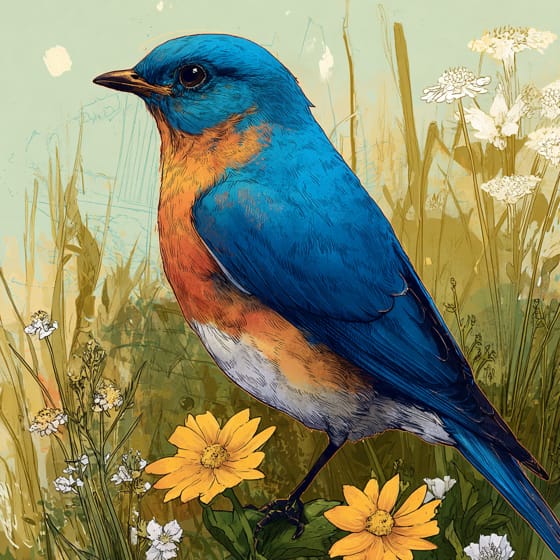
Sialia sialis
Birds prey on swarming termites during their flights.
Arigiope aurantia
Spiders often catch winged termites in their webs.
Social animals live in organized groups, cooperating for survival benefits such as foraging, defense, and raising offspring.
Burrowing animals dig tunnels and chambers in the ground, using these subterranean structures for shelter, hunting, or breeding.
This trait characterizes organisms whose diet consists entirely or primarily of plant material.
Describes organisms that break down dead organic material, recycling nutrients back into the ecosystem.

Forest habitats are terrestrial environments dominated by dense tree cover, supporting a high diversity of plant and animal life.

Describes a species whose presence and role have a disproportionately large effect on its environment.

Pertaining to species that are significantly smaller than typical or average for their kind.

This habitat trait indicates species that can coexist with humans in urban and suburban environments, utilizing man-made structures and green spaces.
No aliases listed yet.
Danger
1/5 · Very low
Termites are not harmful to people, but it's best to leave them alone.
The easiest way to identify Eastern Subterranean Termite is to use the Snappit nature identifier app.
16-20 mm
3-10 mm
365-730 days
They mostly eat dead plants, especially wood, by digesting tough plant fibers for energy.
Underground in forests and urban areas
Foraging
6
Zoom in to split clusters and explore where this object has been snapped.

Georgia, US
You might spot Pond Slider, Mountain Laurel, and Little Brown Jugs.
View guide →

Georgia, US
You might spot Pond Slider, Mountain Laurel, and Little Brown Jugs.
View guide →

Connecticut, US
You might spot American Robin, Monarch, and American Pokeweed.
View guide →
Take the discovery with you
Snap it with Snappit to identify it, learn what makes it special, and add the discovery to your collection.








.jpg&width=800)


