




Eleodes longicollis
Eleodes longicollis
The Eleodes longicollis, also known as the long-necked darkling beetle, is a shiny black bug with a long neck! It loves to hide under rocks and leaves, making it a fun little creature to find in nature.
Habitat: Grasslands
The Eleodes longicollis is a medium-sized, entirely dull black beetle with an elongated, somewhat flattened body. Its most distinctive feature is a proportionally long, slender segment behind its head (prothorax), giving it a 'long-necked' appearance. It has a tough, textured exoskeleton and stout legs, differing from shinier or more colorful beetles.
Category
InsectsRarity
Common
Danger
1/5 · Very low
Snaps
1
Its 'long neck' isn't really a neck; it's a special part of its body called the prothorax!
These tough beetles can survive in very dry deserts by getting most of their water from food!
They can squirt a stinky chemical up to several inches away to scare off predators!
When threatened, this beetle does a headstand, pointing its rear end at danger!
Eleodes longicollis can perform a 'head-stand' because it raises its rear end, which helps them warn off attackers before releasing chemicals.
Eleodes longicollis has an extremely hard exoskeleton that helps them resist physical attacks from birds and other hungry animals.
This beetle is a cleanup crew member, munching on dead plants, seeds, and fungi.
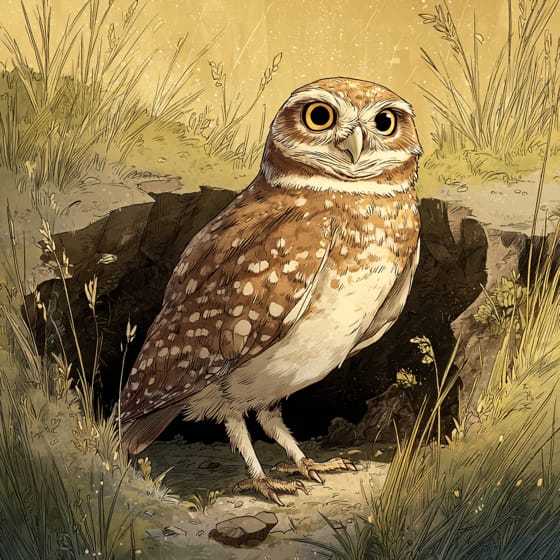
Athene cunicularia
A common desert bird that preys on insects.
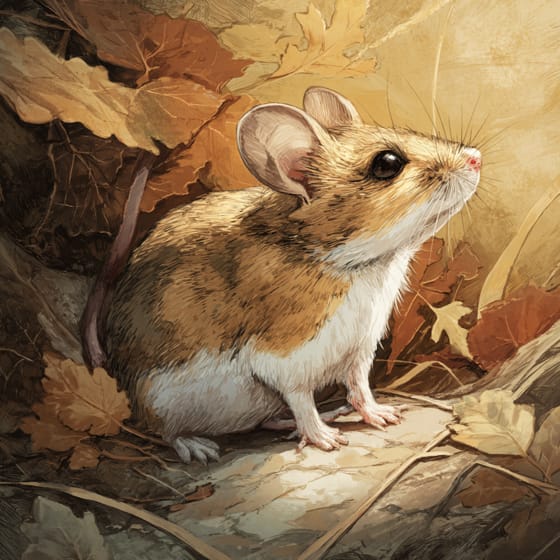
Peromyscus maniculatus
A nocturnal rodent that forages for beetles and other insects.
Phrynosoma platyrhinos
Lizards often include slow-moving beetles in their diet.
Solitary animals live alone for most of their lives, only interacting with others for mating or parental care.
Scavengers consume dead organic matter, helping to decompose carcasses and other waste in the ecosystem.
Grassland habitats are terrestrial biomes dominated by grasses and herbaceous plants, supporting a variety of grazing animals.
This trait characterizes organisms whose diet consists entirely or primarily of plant material.

Describes organisms that break down dead organic material, recycling nutrients back into the ecosystem.

Pertaining to species that are significantly smaller than typical or average for their kind.

Nocturnal animals are primarily active during the nighttime hours, typically resting or sleeping during the day.
No aliases listed yet.
Danger
1/5 · Very low
Always look but don't touch insects unless you know they are safe!
The easiest way to identify Eleodes longicollis is to use the Snappit nature identifier app.
15-25 mm
365-730 days
This beetle is a cleanup crew member, munching on dead plants, seeds, and fungi.
Grasslands
Foraging
6
Zoom in to split clusters and explore where this object has been snapped.

New Mexico, US
You might spot Common Side-Blotched Lizard and Kingcup Cactus.
View guide →

New Mexico, US
You might spot Texas Rainbow Cactus, Giant Desert Centipede, and Ocotillo.
View guide →
Take the discovery with you
Snap it with Snappit to identify it, learn what makes it special, and add the discovery to your collection.







.jpg&width=800)




