





False Click Beetles
eucnemidae
False Click Beetles are fascinating insects that can often be found in forests and gardens. They have a unique ability to play dead when threatened, making them quite the little tricksters!
Habitat: Forests, gardens, and under decaying wood or leaf litter.
The False Click Beetles has an elongated, somewhat flattened body typically dark brown to black. It differs from true click beetles by lacking a prominent prosternal spine and the ability to click itself into the air.
Category
InsectsRarity
Common
Danger
1/5 · Very low
Snaps
Be the first to snap!
Adult False Click Beetles often visit fungi, which might be a snack for them!
Some species have amazingly fancy antennae, shaped like saws or combs!
Their larvae can live for several years inside decaying wood before becoming adult beetles!
Unlike their "click beetle" relatives, these beetles cannot actually snap themselves into the air!
False Click Beetles can break down dead wood because their larvae bore into it, which helps enrich forest soil.
False Click Beetles has dull colors and flattened bodies that help them blend perfectly with bark and leaf litter.
False Click Beetles can quickly drop to the ground and play dead to avoid predators, keeping them safe.
Larvae munch on decaying wood, while adults may enjoy fungi and tree sap.
Age differences: Larvae feed exclusively on decaying wood; adults consume fungi and tree sap.
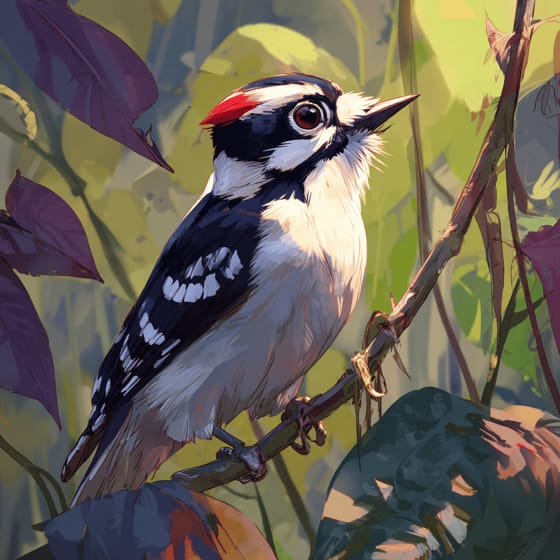
Picoides pubescens
Woodpeckers extract larvae from wood.
Trametes versicolor
Adult beetles consume fungal fruiting bodies.
Quercus rubra
Larvae develop within decaying Red Oak wood.
Solitary animals live alone for most of their lives, only interacting with others for mating or parental care.
Colorful describes organisms or objects displaying a wide range of bright and distinct colors.
Describes organisms that break down dead organic material, recycling nutrients back into the ecosystem.
Forest habitats are terrestrial environments dominated by dense tree cover, supporting a high diversity of plant and animal life.

Nocturnal animals are primarily active during the nighttime hours, typically resting or sleeping during the day.
Danger
1/5 · Very low
No special safety notes yet.
The easiest way to identify False Click Beetles is to use the Snappit nature identifier app.
6-30 mm
3-15 mm
30-90 days
Larvae munch on decaying wood, while adults may enjoy fungi and tree sap.
Forests, gardens, and under decaying wood or leaf litter.
Foraging
6
Zoom in to split clusters and explore where this object has been snapped.
Recent snaps will appear here as new observations are added.
Take the discovery with you
Snap it with Snappit to identify it, learn what makes it special, and add the discovery to your collection.









.jpg&width=800)


