





Elm Finger Gall Mite
aceria parulmi
The Elm Finger Gall Mite is a tiny creature that lives on elm trees. It creates interesting galls that look like little fingers on the leaves!
Habitat: Elm trees in forests and urban areas.
The Elm Finger Gall Mite is a microscopic, pale yellowish-white creature, so tiny it's barely visible to the naked eye. It has a distinctive worm-like body and only two pairs of short legs located near its head, making it unique among mites.
Category
InsectsRarity
Common
Danger
0/5 · No known danger
Snaps
Be the first to snap!
A single elm leaf can host hundreds of these almost invisible mites living inside their tiny 'finger' homes!
Despite their name, these mites are not true insects; they're actually tiny arachnids!
Elm trees don't really mind these mites; the galls usually don't hurt the tree much!
These mites have only four legs, which is half as many as most other mites have!
Elm Finger Gall Mites can create protective finger-like galls on elm leaves because they inject chemicals that make the plant grow shelter.
Elm Finger Gall Mites have an extremely small size that helps them remain hidden from predators and harsh weather inside plant tissues.
Elm Finger Gall Mites can manipulate elm tree cells using special chemicals, guiding the plant to grow their safe, food-filled homes.
These tiny mites feed on the sap and cells of elm tree leaves inside their protective galls.
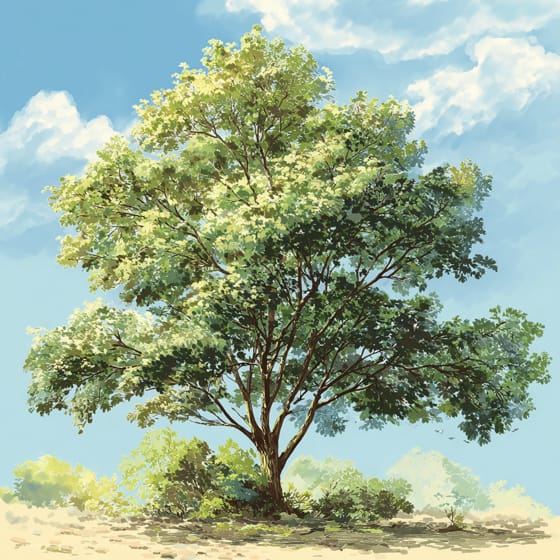
Ulmus americana
Manipulates host cells to form protective galls.
Typhlodromus pyri
Predatory mites sometimes feed on unshielded gall mites.
Chrysoperla carnea
Larvae may prey on mites found outside their galls.
Social animals live in organized groups, cooperating for survival benefits such as foraging, defense, and raising offspring.
Arboreal animals live primarily in trees, utilizing them for shelter, food, and protection from predators.
This trait characterizes organisms whose diet consists entirely or primarily of plant material.
Describes organisms that break down dead organic material, recycling nutrients back into the ecosystem.

Forest habitats are terrestrial environments dominated by dense tree cover, supporting a high diversity of plant and animal life.
Danger
0/5 · No known danger
No special safety notes yet.
The easiest way to identify Elm Finger Gall Mite is to use the Snappit nature identifier app.
0.1-0.2 mm
30-60 days
These tiny mites feed on the sap and cells of elm tree leaves inside their protective galls.
Elm trees in forests and urban areas.
Foraging
4
100-500
Zoom in to split clusters and explore where this object has been snapped.
Recent snaps will appear here as new observations are added.
Take the discovery with you
Snap it with Snappit to identify it, learn what makes it special, and add the discovery to your collection.








.jpg&width=800)



