





Harlequin Bug
Murgantia histrionica
The Harlequin Bug is a colorful insect with bright red and black patterns. They love to munch on plants and can often be found in gardens, making them easy to spot!
Habitat: Urban areas
The Harlequin Bug has a distinctive shield-shaped body covered in bold black, red, orange, or yellow patterns. These bright colors make it visually different from many other garden insects, serving as a warning.
Category
InsectsRarity
Common
Danger
1/5 · Very low
Snaps
14
Harlequin Bug eggs are laid in neat, barrel-shaped rows, often found on the underside of leaves.
Their scientific name, *Murgantia histrionica*, means 'jester' due to their colorful patterns!
These bugs can transmit plant diseases, sometimes causing crops to wilt or die.
They can sometimes overwinter as adults in plant debris, waiting for spring to emerge.
Harlequin Bugs can release a foul-smelling liquid when threatened, deterring predators with this strong chemical defense.
Harlequin Bugs have bright colors that signal to predators they are toxic or taste bad, keeping them safe.
Harlequin Bugs use their piercing-sucking mouthparts to drink vital sap from plants, helping them grow.
These colorful bugs enjoy feasting on sap from cabbage, broccoli, and other garden plants!
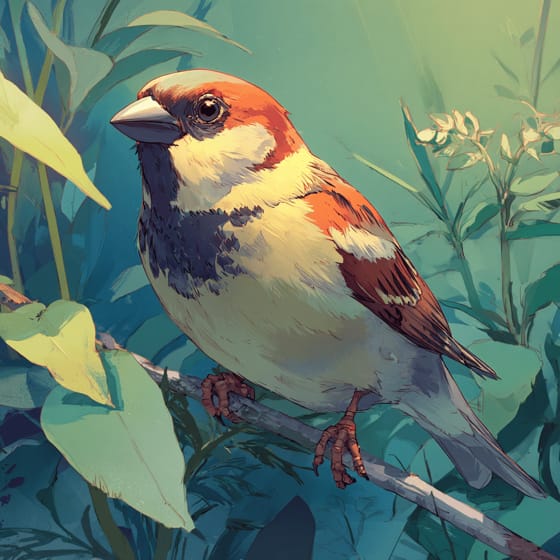
Passer domesticus
Birds sometimes eat Harlequin Bugs despite their bad taste.

Brassica oleracea
Harlequin Bugs feed on the sap of cabbage plants.
Trissolcus basalis
This tiny wasp lays its eggs inside Harlequin Bug eggs.
Solitary animals live alone for most of their lives, only interacting with others for mating or parental care.
Colorful describes organisms or objects displaying a wide range of bright and distinct colors.
This trait characterizes organisms whose diet consists entirely or primarily of plant material.
Diurnal animals are primarily active during daylight hours, typically resting or sleeping at night.

This habitat trait indicates species that can coexist with humans in urban and suburban environments, utilizing man-made structures and green spaces.

Describes organisms that transfer pollen, enabling the fertilization and reproduction of plants.
No aliases listed yet.
Danger
1/5 · Very low
It's best to watch these bugs from a distance and not touch them.
The easiest way to identify Harlequin Bug is to use the Snappit nature identifier app.
20-30 mm
8-12 mm
30-90 days
These colorful bugs enjoy feasting on sap from cabbage, broccoli, and other garden plants!
Urban areas
Foraging
6
Zoom in to split clusters and explore where this object has been snapped.

Missouri, US
You might spot Common Eastern Bumble Bee and Brown-Belted Bumble Bee.
View guide →

Texas, US
You might spot Anole, Monarch, and Pinkladies.
View guide →

California, US
You might spot Peridot Sweat Bee and Western Fence Lizard.
View guide →

Pennsylvania, US
You might spot Harlequin Bug, White-Tailed Deer, and Bee.
View guide →

Texas, US
You might spot Eastern Fox Squirrel and American Robin.
View guide →

West Virginia, US
You might spot Duck, American Holly, and Amur Honeysuckle.
View guide →
Take the discovery with you
Snap it with Snappit to identify it, learn what makes it special, and add the discovery to your collection.







.jpg&width=800)



