





Large Yellow Underwing
Noctua pronuba
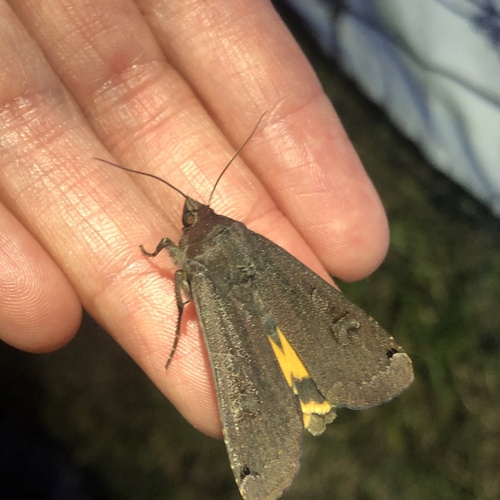
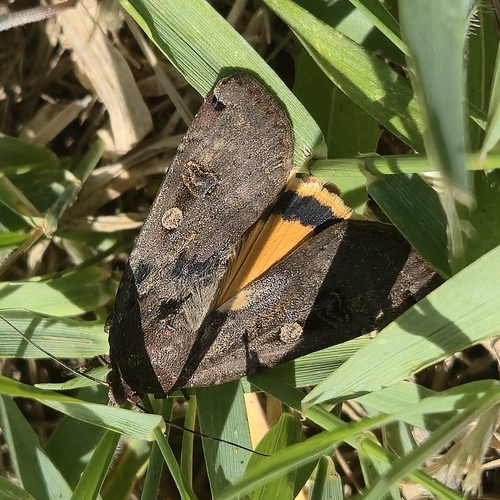
The Large Yellow Underwing is a big, beautiful moth with bright yellow wings. It loves to fly around at night and can be found in gardens and fields, making it a fun sight for night-time explorers!
Habitat: Urban areas, gardens, fields
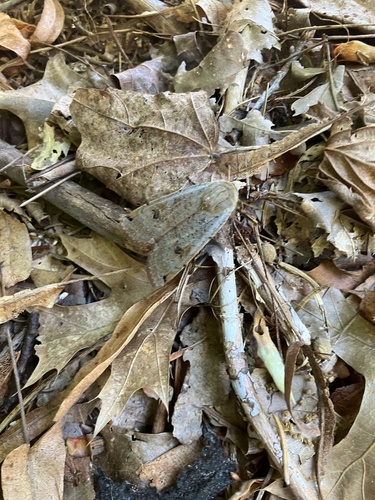
The Large Yellow Underwing has dull, patterned brown or grey forewings, which act as camouflage against tree bark. Its vibrant yellow hindwings, revealed during flight, are edged with a broad black band. This striking contrast makes it visually unique.
Category
InsectsRarity
Common
Danger
1/5 · Very low
Snaps
22
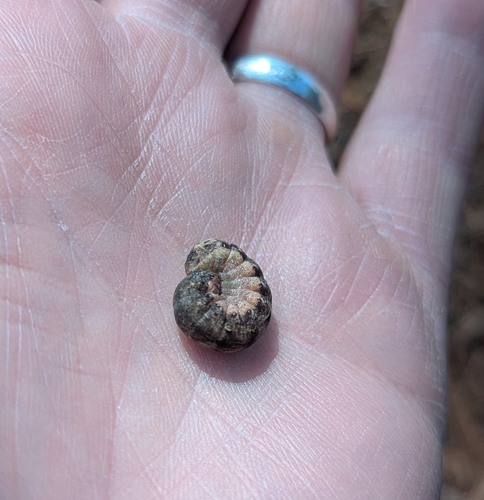
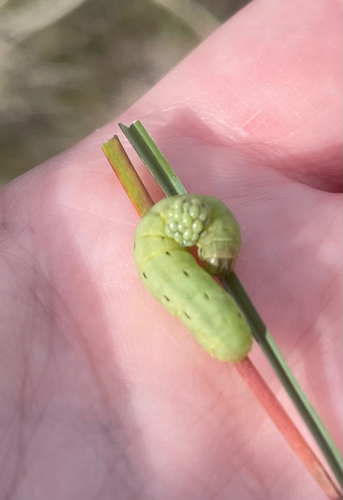
Its caterpillars are nicknamed "cutworms" because they sometimes chew through young plant stems at ground level!
Some of these moths travel huge distances, flying across oceans or continents like tiny adventurers!
The Large Yellow Underwing can hear bats using special organs on its chest, helping it avoid becoming dinner!
This moth helps many night-blooming flowers make seeds by carrying their pollen from plant to plant.
Large Yellow Underwing can startle predators with its bright yellow hindwings that flash open when threatened, creating confusion.
Large Yellow Underwing flies actively after dark, using its keen senses to locate flowers for nectar and find mates in the shadows.
Large Yellow Underwing has hardy caterpillars that can feed and grow throughout the winter months, even in cold conditions.
Adult moths sip flower nectar, while their caterpillars munch on leaves and stems of various plants.
Age differences: Caterpillars are herbivores eating leaves and roots, while adult moths are nectarivores.
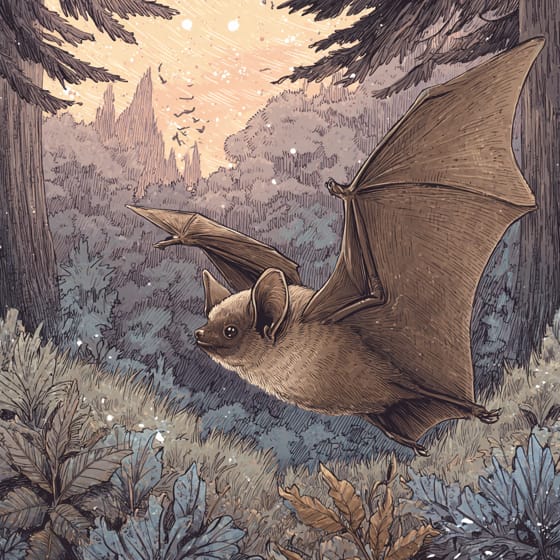
Myotis lucifugus
A nocturnal hunter that preys on flying moths like the Large Yellow Underwing.

Lonicera periclymenum
As they drink nectar, adult moths transfer pollen between these fragrant night flowers.

Lactuca sativa
Caterpillars munch on the leaves of various garden vegetables, including lettuce.
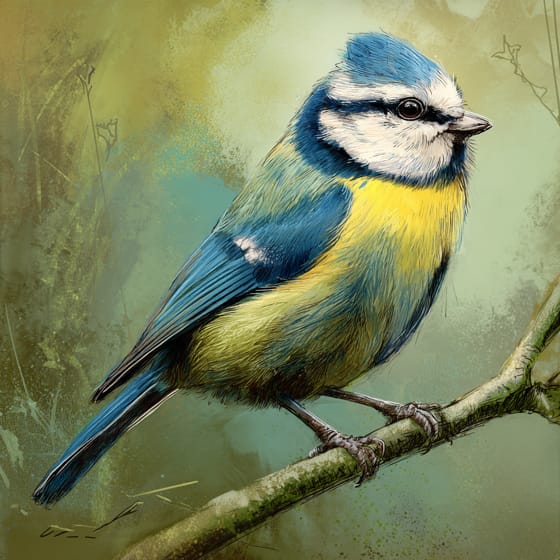
Cyanistes caeruleus
Blue Tits feed their chicks many caterpillars, including this moth's larvae.
Colorful describes organisms or objects displaying a wide range of bright and distinct colors.
This trait characterizes organisms whose diet consists entirely or primarily of plant material.
Describes plants that are particularly attractive and beneficial to a wide range of pollinating organisms.
This trait identifies organisms that exhibit exceptional swiftness in movement for hunting, escape, or travel.

This habitat trait indicates species that can coexist with humans in urban and suburban environments, utilizing man-made structures and green spaces.

Nocturnal animals are primarily active during the nighttime hours, typically resting or sleeping during the day.

Describes organisms that transfer pollen, enabling the fertilization and reproduction of plants.
Danger
1/5 · Very low
Moths are usually harmless, but it's best to watch them from a distance.
The easiest way to identify Large Yellow Underwing is to use the Snappit nature identifier app.
45-60 mm
25-30 mm
14-28 days
10-20 km/h
Adult moths sip flower nectar, while their caterpillars munch on leaves and stems of various plants.
Urban areas, gardens, fields
Foraging
Zoom in to split clusters and explore where this object has been snapped.
Jun 5, 2026
Curtis Hall ArboretumPhoto attribution
(c) Andrew Conboy, some rights reserved (CC BY)
License: CC BY 4.0 ↗
Image may be shown cropped inside the card frame.
Jun 4, 2026
Winter IslandPhoto attribution
no rights reserved
License: CC0 1.0 ↗
Image may be shown cropped inside the card frame.
May 24, 2026
James Cant RanchPhoto attribution
(c) John Clonce, some rights reserved (CC BY)
License: CC BY 4.0 ↗
Image may be shown cropped inside the card frame.
Apr 23, 2026
RoycroftPhoto attribution
(c) Julie, some rights reserved (CC BY)
License: CC BY 4.0 ↗
Image may be shown cropped inside the card frame.
Apr 6, 2026
Grand CouleePhoto attribution
(c) solidstate, some rights reserved (CC BY)
License: CC BY 4.0 ↗
Image may be shown cropped inside the card frame.

Connecticut, US
You might spot American Robin, Eastern Poison Ivy, and Duck.
View guide →

New Hampshire, US
You might spot Eastern Red-Backed Salamander and Eastern Newt.
View guide →

US
You might spot Bald Eagle, Common Raven, and Salmonberry.
View guide →

Indiana, US
You might spot Monarch, Black Swallowtail, and American Pokeweed.
View guide →

Pennsylvania, US
You might spot Spotted Lanternfly and Japanese Knotweed.
View guide →
.jpg&width=800)
Michigan, US
You might spot Reticulated Giraffe, Red Panda, and Snow Leopard.
View guide →
Take the discovery with you
Snap it with Snappit to identify it, learn what makes it special, and add the discovery to your collection.








.jpg&width=800)



