





Epimelissodes
Epimelissodes
Epimelissodes are small, colorful insects that love to buzz around flowers. They help plants grow by spreading pollen, making them very important for nature!
Habitat: Gardens and meadows
The Epimelissodes is a slender bee, often sporting dark bodies with distinctive yellow or white bands across its abdomen. It has relatively sparse body hair, giving it a somewhat glossy appearance compared to other fuzzy bees. Its wings are typically clear with dark veins.
Category
InsectsRarity
Common
Danger
1/5 · Very low
Snaps
Be the first to snap!
Epimelissodes babies eat the food collected by other bee mothers!
Many people confuse Epimelissodes with wasps because of their similar look!
Their name comes from cuckoo birds, which also lay eggs in other nests!
Unlike most bees, Epimelissodes doesn't collect pollen for its young to eat!
Epimelissodes can sneak into other bee nests to lay their eggs because they lack pollen-carrying structures.
Epimelissodes often has a sleek, less hairy body shape that helps it look like a wasp, deterring predators.
Their larvae can develop very quickly, helping them outcompete the host larvae in shared nests.
Adult Epimelissodes drink flower nectar for energy, but their young feast on food collected by other bees.
Age differences: Larvae consume pollen and nectar provisions gathered by host bees, sometimes also eating the host's young.
Melissodes bimaculata
Lays eggs in its nest, stealing its food provisions.
Helianthus annuus
While drinking nectar, they transfer pollen between flowers.
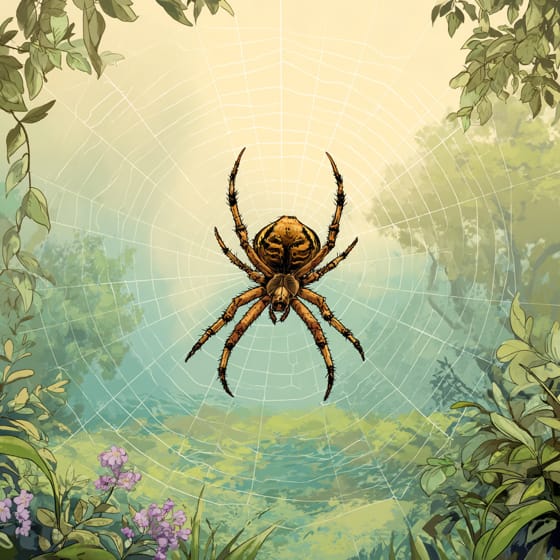
Argiope aurantia
Caught in webs while foraging for nectar.
Melissodes desponsa
Their larvae consume pollen stores intended for host young.
Social animals live in organized groups, cooperating for survival benefits such as foraging, defense, and raising offspring.
Colorful describes organisms or objects displaying a wide range of bright and distinct colors.
This trait characterizes organisms whose diet consists entirely or primarily of plant material.
Describes plants that are particularly attractive and beneficial to a wide range of pollinating organisms.

Diurnal animals are primarily active during daylight hours, typically resting or sleeping at night.

Describes a species whose presence and role have a disproportionately large effect on its environment.

Pertaining to species that are significantly smaller than typical or average for their kind.

This habitat trait indicates species that can coexist with humans in urban and suburban environments, utilizing man-made structures and green spaces.

Describes organisms that transfer pollen, enabling the fertilization and reproduction of plants.
No aliases listed yet.
Danger
1/5 · Very low
Don't touch insects without asking an adult, as some might sting.
The easiest way to identify Epimelissodes is to use the Snappit nature identifier app.
12-30 mm
8-15 mm
30-60 days
15 km/h
Adult Epimelissodes drink flower nectar for energy, but their young feast on food collected by other bees.
Gardens and meadows
Foraging
Zoom in to split clusters and explore where this object has been snapped.
Recent snaps will appear here as new observations are added.
Take the discovery with you
Snap it with Snappit to identify it, learn what makes it special, and add the discovery to your collection.







.jpg&width=800)


