




Stretch Spiders
Tetragnatha
Stretch Spiders are long and skinny spiders that love to hang out near water. They have super stretchy legs that help them catch food and move quickly!
Habitat: Wetlands
The Stretch Spiders has very long, slender bodies and extremely thin legs, often held stretched out. They are typically drab colors like brown, green, or yellow, allowing them to blend seamlessly with vegetation. Their distinctive elongated form sets them apart from most other spiders.
Category
InsectsRarity
Common
Danger
1/5 · Very low
Snaps
2
Baby Stretch Spiders often "balloon" through the air on silk threads to new homes.
Some species of Stretch Spiders can even walk on water using surface tension!
Their super long legs make them look like a twig, fooling hungry birds.
They are called "long-jawed orb weavers" because of their prominent mouthparts!
Stretch Spiders can extend their long bodies and legs to mimic twigs or grass stems, helping them hide from predators and prey.
Stretch Spiders can build delicate, horizontal orb webs near water, which helps them catch flying insects efficiently.
Stretch Spiders has incredibly long, flexible legs that allow them to quickly scuttle away or drop from their webs to escape danger.
These spiders mostly eat small flying insects they catch in their sticky webs.
Musca domestica
Catches flies in its sticky orb web.
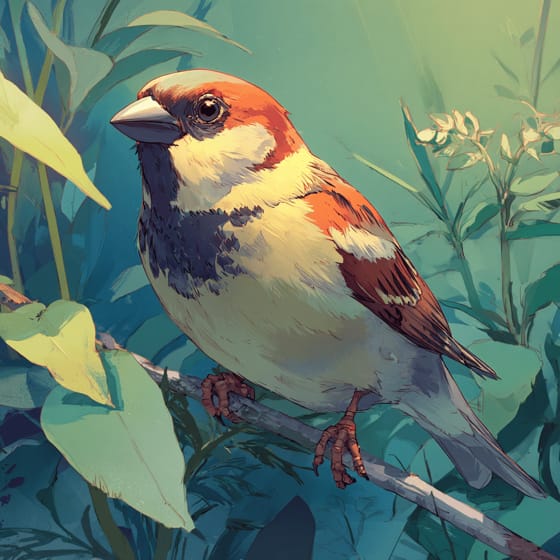
Passer domesticus
Birds often prey on spiders they find in vegetation.
Argyrodes trigonum
Steals trapped insects from the Stretch Spider's web.
Solitary animals live alone for most of their lives, only interacting with others for mating or parental care.
This trait characterizes organisms that construct elaborate silken webs for catching prey, shelter, or reproduction.
Camouflaged describes organisms that possess coloring or patterns that allow them to blend into their environment.
This trait identifies organisms whose diet primarily consists of insects and other small invertebrates.

This habitat trait identifies species found in wetlands, which are areas of land saturated with water, either permanently or seasonally, including marshes, swamps, and bogs.

This trait identifies organisms whose diet consists entirely or primarily of animal tissue.
No aliases listed yet.
Danger
1/5 · Very low
If you see a spider, it's best to watch from a distance and not touch it.
The easiest way to identify Stretch Spiders is to use the Snappit nature identifier app.
5-15 mm
365-730 days
These spiders mostly eat small flying insects they catch in their sticky webs.
Wetlands
Ambush
8
Zoom in to split clusters and explore where this object has been snapped.
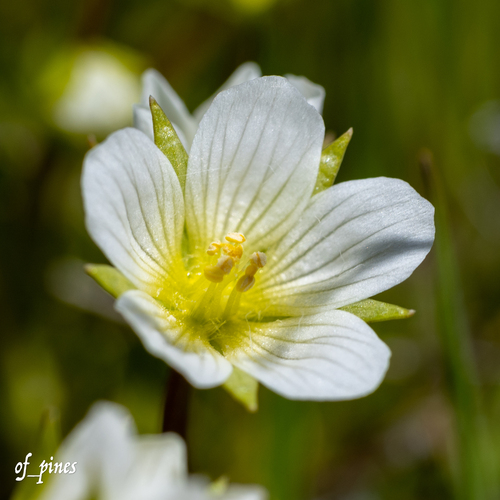
Oregon, US
You might spot Woolly Meadowfoam and California Goldfields.
View guide →

California, US
You might spot Vulture, Acorn Woodpecker, and Stanislaus Monkeyflower.
View guide →
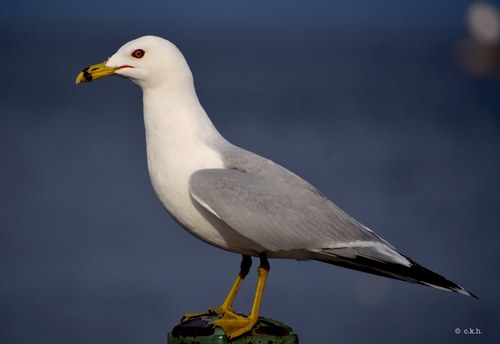
Washington, US
You might spot Ring-Billed Gull, Canada Goose, and Northern Saw-Whet Owl.
View guide →
California, US
You might spot Coast Live Oak, Lesser Goldfinch, and California Scrub-Jay.
View guide →

British Columbia, CA
You might spot Pacific Banana Slug and Round-Leaved Sundew.
View guide →
Take the discovery with you
Snap it with Snappit to identify it, learn what makes it special, and add the discovery to your collection.









.jpg&width=800)




