





Evening Primrose Family
onagraceae
Evening Primrose flowers bloom at night, filling the air with their sweet scent. Their bright yellow petals open in the evening, making them a delightful sight for night-loving creatures!
Habitat: Evening Primrose grows in fields, gardens, and along roadsides in sunny areas.
The Evening Primrose Family is often characterized by its vibrant, usually yellow or pink, four-petaled flowers that unfurl dramatically. Many species display a distinctive evening opening, releasing a sweet fragrance, unlike many daytime bloomers.
Category
PlantsRarity
Common
Danger
0/5 · No known danger
Snaps
Be the first to snap!
Many flowers unfurl their petals in mere minutes at dusk!
Native Americans made ointments and food from their roots!
Some species change their flower color as they get older!
Their tiny seeds can lie hidden in soil for many years!
Evening Primrose Family can open flowers at dusk to attract nighttime moths for pollination.
Evening Primrose Family can quickly grow in disturbed areas, becoming a pioneer species.
Evening Primrose Family has seeds that can stay dormant in soil for many years, waiting for ideal conditions.
Manduca sexta
Visits night-blooming flowers for nectar.
Apis mellifera
Collects pollen and nectar from daytime flowers.
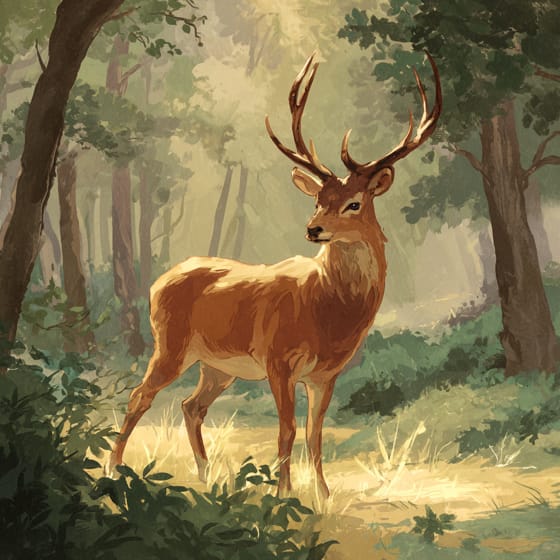
Cervus elaphus
Browses on leaves and stems in various habitats.
Hyles gallii
Larvae feed specifically on Fireweed (Epilobium) leaves.
Colorful describes organisms or objects displaying a wide range of bright and distinct colors.
This trait characterizes organisms whose diet consists entirely or primarily of plant material.
Forest habitats are terrestrial environments dominated by dense tree cover, supporting a high diversity of plant and animal life.
Diurnal animals are primarily active during daylight hours, typically resting or sleeping at night.

Describes organisms that transfer pollen, enabling the fertilization and reproduction of plants.
Danger
0/5 · No known danger
No special safety notes yet.
The easiest way to identify Evening Primrose Family is to use the Snappit nature identifier app.
30-180 cm
30-90 cm
2-10 cm
Summer to fall
Yes
None
Perennial
Zoom in to split clusters and explore where this object has been snapped.
Recent snaps will appear here as new observations are added.
Take the discovery with you
Snap it with Snappit to identify it, learn what makes it special, and add the discovery to your collection.








.jpg&width=800)



_001.jpg&width=800)




