





swamp rose
Rosa palustris
The swamp rose is a beautiful flower that grows in wet areas. It has lovely pink petals and a sweet smell that attracts butterflies and bees!
Habitat: Wetlands
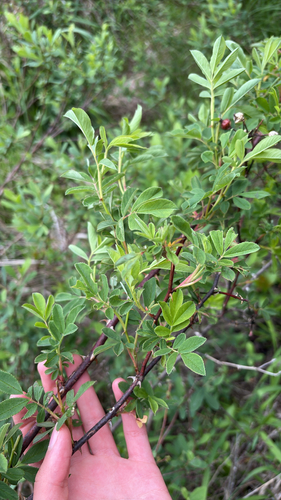
The swamp rose is a medium-sized shrub with arching, thorny stems and shiny green leaves. Its vibrant pink flowers have five petals and bright yellow centers, often followed by small red rose hips in fall.
Category
PlantsRarity
Common
Danger
1/5 · Very low
Snaps
4
Ancient peoples used swamp rose hips to make healthy teas and jams!
Each beautiful pink flower only lasts a single day before new ones open!
Some butterflies use swamp rose as a safe place to lay their eggs!
The tiny seeds inside rose hips can stay dormant for many years, waiting to grow!
Swamp rose can grow in soggy wetlands and even standing water, where most plants would struggle to survive.
Its sharp thorns protect the stems and leaves from hungry animals trying to take a bite, helping it defend itself.
This rose grows bright red, vitamin-rich rose hips that provide food for birds and other wildlife, aiding reproduction.
Apis mellifera
collects nectar and pollen from flowers

Bombus impatiens
is a major pollinator of its flowers

Odocoileus virginianus
browses its leaves and young stems
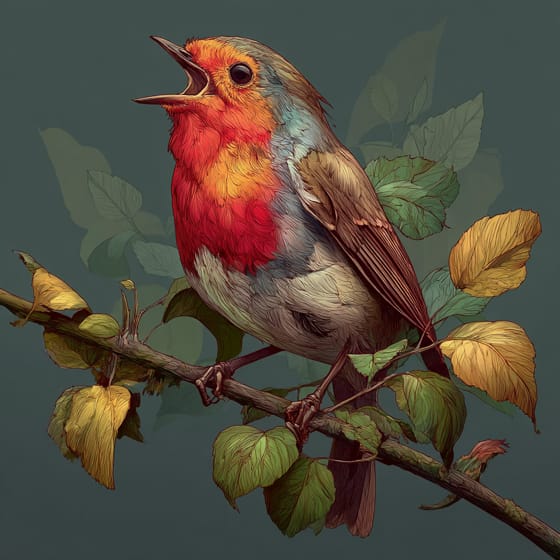
Turdus migratorius
eats the nutritious rose hips
Flowering plants are any plants that produce flowers as part of their reproductive cycle.
A shrub is a woody plant smaller than a tree, typically with multiple stems branching from or near the ground.
Summer blooming plants produce their flowers during the summer season, often providing vibrant color when many other plants have finished.
Fragrant flowers emit a pleasant aroma, often to attract pollinators or for defense.

Medicinal plants possess chemical compounds that can be used for therapeutic purposes to treat illnesses or maintain health.

Edible plants are those parts of a plant that are considered safe for human consumption.

Describes plants that are particularly attractive and beneficial to a wide range of pollinating organisms.

This habitat trait identifies species found in wetlands, which are areas of land saturated with water, either permanently or seasonally, including marshes, swamps, and bogs.
No aliases listed yet.
Danger
1/5 · Very low
Always look but don't touch flowers without asking an adult.
The easiest way to identify swamp rose is to use the Snappit nature identifier app.
100-200 cm
100-150 cm
4-6 cm
Summer
Yes
None
Perennial
Zoom in to split clusters and explore where this object has been snapped.
May 30, 2026
Long Island Game FarmPhoto attribution
(c) Frog The Kermit, some rights reserved (CC BY)
License: CC BY 4.0 ↗
Image may be shown cropped inside the card frame.

Virginia, US
You might spot Cope's Gray Tree Frog and Basilica Orbweaver.
View guide →

New York, US
You might spot American White Waterlily, Buttonbush, and Common Milkweed.
View guide →

New York, US
You might spot Giraffes, Kangaroos, Wallabies and Allies, and Capybara.
View guide →

New Jersey, US
You might spot Striped Wintergreen and Partridgeberry.
View guide →

Pennsylvania, US
You might spot Carolina Horsenettle, Common Soapwort, and Goldenrods.
View guide →
Take the discovery with you
Snap it with Snappit to identify it, learn what makes it special, and add the discovery to your collection.








.jpg&width=800)


_001.jpg&width=800)



