





Alaskan bellflower
Campanula alaskana
The Alaskan bellflower is a lovely flower that grows in the wild. It has beautiful blue or purple bell-shaped blooms that can brighten up any place they grow.
Habitat: Mountain regions
The Alaskan bellflower is a small, upright plant with vibrant blue to purple, bell-shaped flowers that hang downwards. Its slender stems bear narrow, green leaves. These unique dangling bells make it distinct from other wildflowers in its chilly habitat.
Category
PlantsRarity
Common
Danger
1/5 · Very low
Snaps
Be the first to snap!
Each delicate bell hides tiny seeds, ready to make more bellflowers!
Its scientific name, Campanula, means 'little bell' in Latin!
Some related bellflower species are actually edible, even their leaves!
This tough flower often grows wild in Alaska, even near icy glaciers!
Alaskan bellflower can survive freezing Arctic winters by having roots that store energy underground.
Alaskan bellflower has downward-facing bell flowers that shield its pollen from rain and harsh winds.
Alaskan bellflower can thrive in tough, rocky soils where many other plants struggle to grow roots.
Bombus polaris
Main pollinator in its cold habitat
Urocitellus parryii
Forages on leaves and stems in summer
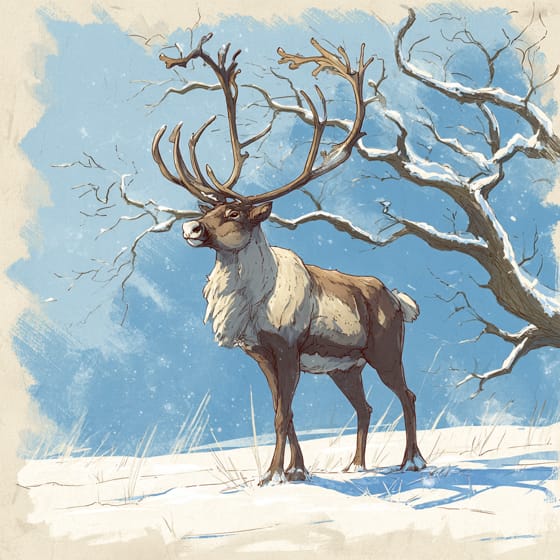
Rangifer tarandus
Graze on tundra plants including bellflowers
Bell-shaped flowers possess petals fused or arranged to form a cup-like or campanulate structure resembling a bell.
Flowering plants are any plants that produce flowers as part of their reproductive cycle.
Ornamental plants are cultivated primarily for their aesthetic appeal, enhancing landscapes and gardens with their attractive foliage, flowers, or form.
Summer blooming plants produce their flowers during the summer season, often providing vibrant color when many other plants have finished.

Cold hardy plants are able to withstand low temperatures and freezing conditions without significant damage.

Describes plants that are particularly attractive and beneficial to a wide range of pollinating organisms.

This habitat trait identifies species found in mountainous regions, characterized by high elevation, steep slopes, and varying climate zones.
No aliases listed yet.
Danger
1/5 · Very low
Always look but don't pick flowers, so they can keep growing for everyone to enjoy.
The easiest way to identify Alaskan bellflower is to use the Snappit nature identifier app.
5-30 cm
10-20 cm
1-3 cm
Summer (June-August)
No
None
Perennial
Zoom in to split clusters and explore where this object has been snapped.
Recent snaps will appear here as new observations are added.
Take the discovery with you
Snap it with Snappit to identify it, learn what makes it special, and add the discovery to your collection.








.jpg&width=800)



_001.jpg&width=800)




