





false bindweeds
Calystegia
False bindweeds are climbing plants with pretty flowers that can be white or pink. They like to grow in sunny places and can climb up fences and walls, making them look very beautiful in gardens.
Habitat: Urban areas
The false bindweeds has twining stems and arrow-shaped leaves. Its showy, trumpet-shaped flowers are typically white or pink, often larger than true bindweeds. A pair of leaf-like structures (bracts) enclose the flower's base.
Category
PlantsRarity
Common
Danger
2/5 · Low
Snaps
Be the first to snap!
Before blooming, two little leafy "bracts" hug the flower bud like tiny protectors!
Some false bindweeds' roots can dive several feet deep, making them super tough!
Their beautiful trumpet flowers often close up tight at night or on cloudy days!
This quick-growing plant can spiral around fences or other plants for support!
False bindweeds has flexible stems that coil around supports, helping it climb high to reach sunlight and grow.
False bindweeds can spread rapidly using deep, extensive underground roots (rhizomes) to colonize new areas.
False bindweeds grows quickly, allowing it to cover ground fast and outcompete other plants for light and space.
Apis mellifera
Collects nectar and pollen
Chelymorpha cassidea
Larvae feed on leaves

Cuscuta campestris
Steals nutrients from host plant
Climbing or vine plants are characterized by a growth habit that allows them to ascend upwards by twining, tendrils, or adhesive roots.
Flowering plants are any plants that produce flowers as part of their reproductive cycle.
Ornamental plants are cultivated primarily for their aesthetic appeal, enhancing landscapes and gardens with their attractive foliage, flowers, or form.
Summer blooming plants produce their flowers during the summer season, often providing vibrant color when many other plants have finished.

Fragrant flowers emit a pleasant aroma, often to attract pollinators or for defense.

This habitat trait indicates species that can coexist with humans in urban and suburban environments, utilizing man-made structures and green spaces.
No aliases listed yet.
Danger
2/5 · Low
Don't eat any part of the plant, and always wash your hands after touching it.
The easiest way to identify false bindweeds is to use the Snappit nature identifier app.
30-300 cm
50-500 cm
3-7 cm
Late spring to early fall
No
Mild
Perennial
Zoom in to split clusters and explore where this object has been snapped.
Recent snaps will appear here as new observations are added.
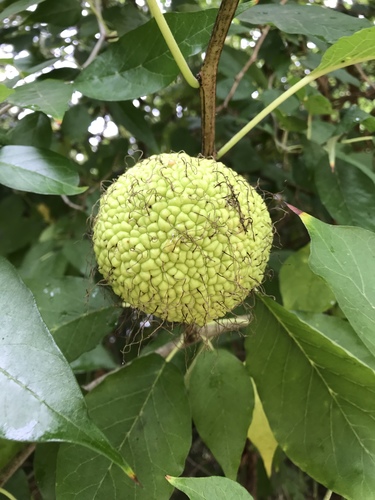
Virginia, US
You might spot Osage-Orange, Willow Oak, and Kousa Dogwood.
View guide →
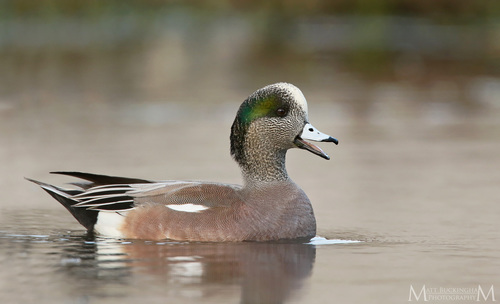
Washington, US
You might spot American Wigeon and Madrone Skin Miner.
View guide →

Pennsylvania, US
You might spot Carolina Horsenettle, Common Soapwort, and Goldenrods.
View guide →
Take the discovery with you
Snap it with Snappit to identify it, learn what makes it special, and add the discovery to your collection.








.jpg&width=800)


_001.jpg&width=800)




