





Greater Bee Fly
Bombylius major
The Greater Bee Fly is a fuzzy little insect that looks like a bee! It loves to visit flowers and sip sweet nectar, helping plants grow while it feeds.
Habitat: Grasslands
The Greater Bee Fly is a fuzzy, stout-bodied fly that strongly resembles a bumblebee with brown and yellowish hairs. It has a distinctive long, slender proboscis and clear wings with a prominent dark brown patch near the front edge. Its powerful flight allows it to hover gracefully.
Category
InsectsRarity
Common
Danger
1/5 · Very low
Snaps
9
Baby bee flies are carnivores and eat other insect larvae!
Despite looking like a bee, this fluffy insect cannot sting you!
It sometimes flies backwards, which is super rare for an insect!
They are great at pollinating many different types of wildflowers.
Greater Bee Flies can hover perfectly still in mid-air, like a tiny helicopter, that helps them precisely sip nectar from flowers.
This fly mimics furry bees to trick predators into thinking it can sting, which helps it stay safe while foraging.
Greater Bee Flies have an extra-long proboscis (tongue) that helps them reach sweet nectar deep inside tubular flowers.
Female bee flies lay eggs near the nests of ground-nesting bees, where their larvae can secretly grow by eating the bee larvae.
Adults drink sweet nectar from flowers, while their tiny larvae secretly snack on other insects.
Age differences: Adults feed on nectar and pollen; larvae are parasitoids, feeding on the larvae of solitary bees and wasps.
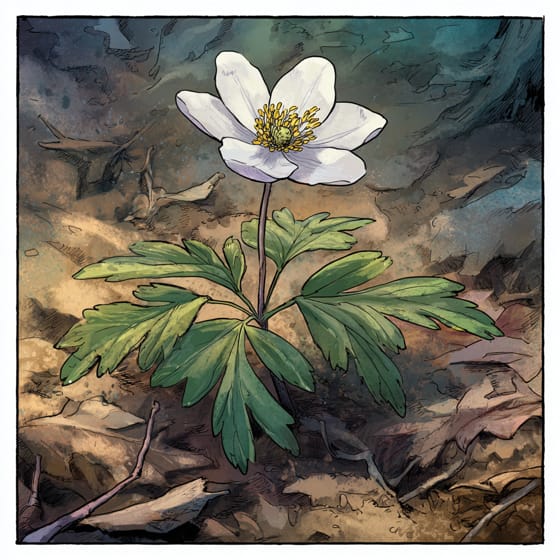
Anemone nemorosa
Adults visit flowers for nectar and pollen.
Andrena scotica
Bee fly larvae feed on mining bee larvae in their nests.
.jpg&width=800)
Osmia bicornis
Larvae also develop by consuming mason bee larvae.
Furry describes animals possessing a dense covering of soft hair or fur.
Social animals live in organized groups, cooperating for survival benefits such as foraging, defense, and raising offspring.
Aerial creatures spend a significant portion of their lives airborne, utilizing flight for various activities such as hunting, migration, or nesting.
Grassland habitats are terrestrial biomes dominated by grasses and herbaceous plants, supporting a variety of grazing animals.

This trait characterizes organisms whose diet consists entirely or primarily of plant material.

Describes plants that are particularly attractive and beneficial to a wide range of pollinating organisms.

Diurnal animals are primarily active during daylight hours, typically resting or sleeping at night.

Describes organisms that transfer pollen, enabling the fertilization and reproduction of plants.
Danger
1/5 · Very low
Bee flies are friendly and won't sting, but it's always good to watch them from a distance.
The easiest way to identify Greater Bee Fly is to use the Snappit nature identifier app.
18-25 mm
10-14 mm
20-30 days
15 km/h
Adults drink sweet nectar from flowers, while their tiny larvae secretly snack on other insects.
Grasslands
Foraging
Zoom in to split clusters and explore where this object has been snapped.

Pennsylvania, US
You might spot Large Yellow Underwing and Eastern Black Carpenter Ant.
View guide →

South Carolina, US
You might spot Yellow Pitcher Plant and Juvenal's Duskywing.
View guide →
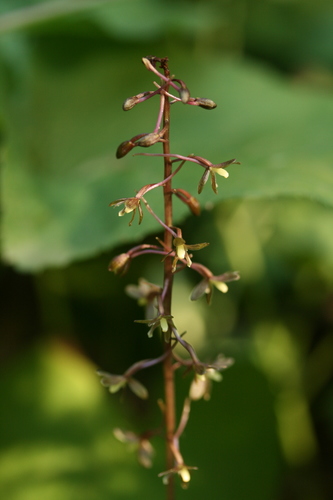
Virginia, US
You might spot Crane-Fly Orchid, Wild Geranium, and Cutleaf Coneflower.
View guide →

Maryland, US
You might spot Virginia Bluebells, Virginia Springbeauty, and Red Buckeye.
View guide →
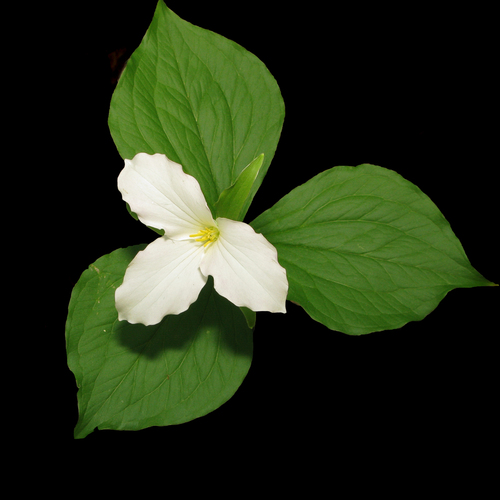
Ohio, US
You might spot Large White Trillium, Virginia Saxifrage, and Bloodroot.
View guide →

Ohio, US
You might spot Eastern Newt, Eastern Hemlock, and American Cancer-Root.
View guide →
Take the discovery with you
Snap it with Snappit to identify it, learn what makes it special, and add the discovery to your collection.





.jpg&width=800)




