_Orthosia_cerasi_-_caterpillar-_Jardin_Botanique_Henri_GAUSSEN.jpg&width=800)





Common Quaker
Orthosia cerasi
The Common Quaker is a friendly little moth that flies at night. It has soft, fuzzy wings that can be light brown or gray, helping it blend in with tree bark.
Habitat: Forests
The Common Quaker is a small, stout moth, typically reddish-brown to orangey-brown, with a fuzzy body and forewings. It often features a distinct kidney-shaped mark and a circular spot near the center of each forewing, which can vary in colour from dark brown to pale ochre. Its plain, subtle colouring helps it blend with natural backgrounds.
Category
InsectsRarity
Common
Danger
1/5 · Very low
Snaps
Be the first to snap!
Before becoming a moth, the caterpillar makes a cozy burrow underground to safely transform!
Common Quaker caterpillars are hungry eaters, munching on leaves from many different trees and shrubs!
Common Quaker moths are one of the first moths to appear in very early spring, sometimes even in February!
Its name comes from its plain, brownish look, similar to the simple clothes worn by Quakers!
Common Quaker can fly easily in darkness thanks to specialized eyes that help them find food and mates after sunset.
The Common Quaker has mottled brown wings that help them blend perfectly against tree bark, hiding from hungry birds.
Common Quaker caterpillars can turn into a pupa and sleep through winter underground, emerging as an adult moth in early spring.
Adults sip nectar; caterpillars munch on leaves.
Age differences: Young caterpillars eat leaves, while adult moths sip sweet nectar.
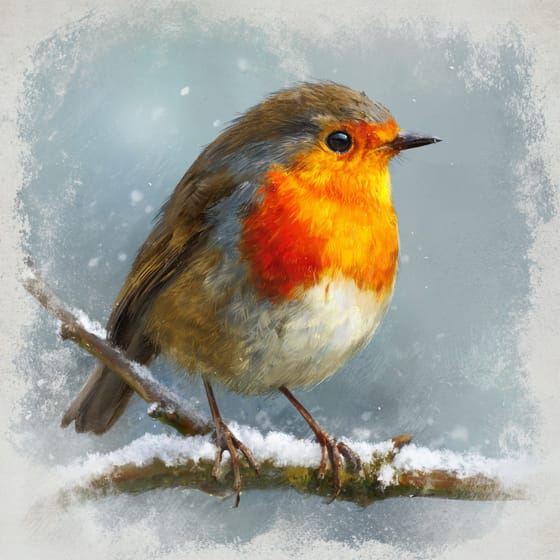
Erithacus rubecula
Robins hunt adult moths for a tasty meal.
%2C_Parc_de_Woluw%C3%A9%2C_Brussels_(13042792905).jpg&width=800)
Parus major
Great Tits feed Common Quaker caterpillars to their chicks.
Quercus robur
Caterpillars feed on its leaves for energy to grow.
Salix caprea
Adult moths visit early spring willow flowers for nectar.
Furry describes animals possessing a dense covering of soft hair or fur.
Solitary animals live alone for most of their lives, only interacting with others for mating or parental care.
Camouflaged describes organisms that possess coloring or patterns that allow them to blend into their environment.
This trait characterizes organisms whose diet consists entirely or primarily of plant material.

Describes plants that are particularly attractive and beneficial to a wide range of pollinating organisms.

Forest habitats are terrestrial environments dominated by dense tree cover, supporting a high diversity of plant and animal life.

Nocturnal animals are primarily active during the nighttime hours, typically resting or sleeping during the day.

Describes organisms that transfer pollen, enabling the fertilization and reproduction of plants.
No aliases listed yet.
Danger
1/5 · Very low
Moths are harmless, but it's best to watch them from a distance.
The easiest way to identify Common Quaker is to use the Snappit nature identifier app.
32-40 mm
12-18 mm
14-30 days
15 km/h
Adults sip nectar; caterpillars munch on leaves.
Forests
Foraging
Zoom in to split clusters and explore where this object has been snapped.
Recent snaps will appear here as new observations are added.
Take the discovery with you
Snap it with Snappit to identify it, learn what makes it special, and add the discovery to your collection.







.jpg&width=800)



