




field locoweed
Oxytropis campestris
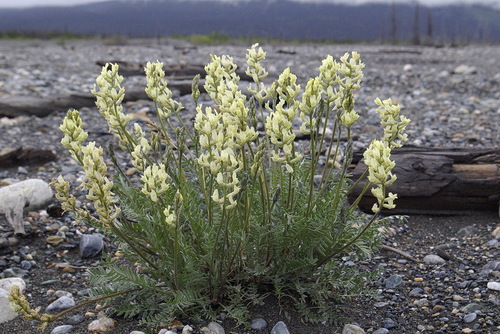
Field locoweed is a pretty plant with small purple flowers that grow in fields and grasslands. It has fuzzy leaves and can be found in many places across North America.
Habitat: Grasslands
The field locoweed is a low-growing, clumping plant with silvery-hairy, fern-like leaves. It produces pea-shaped flowers, typically purplish-blue or white, grouped tightly on leafless stalks, making it stand out from typical grasses.
Category
PlantsRarity
Common
Danger
2/5 · Low
Snaps
Be the first to snap!
Eating too much locoweed makes animals "loco" or crazy, causing strange behaviors!
Its seeds are tough cookies and can stay dormant in the soil for many years before sprouting!
Some people call it "rattlepod" because its dried seed pods sometimes make a fun rattling sound!
The plant's fuzzy leaves act like tiny sunshades and sponges, helping it save precious water!
Field locoweed can thrive in rocky, dry soils, helping it survive where many other plants struggle to grow.
It has a very long taproot that helps it reach deep groundwater, surviving long periods of drought.
This plant partners with soil bacteria to pull nitrogen from the air, enriching the soil for itself and its neighbors.
Bombus occidentalis
Visits the flowers to collect nectar and spread pollen.
Rhizobium leguminosarum
Lives in root nodules, converting air nitrogen into plant food.

Bos taurus
Can be poisoned if they consume large quantities of the plant.
Furry describes animals possessing a dense covering of soft hair or fur.
Flowering plants are any plants that produce flowers as part of their reproductive cycle.
Describes organisms capable of converting atmospheric nitrogen into compounds usable by plants.
Edible plants are those parts of a plant that are considered safe for human consumption.

Grassland habitats are terrestrial biomes dominated by grasses and herbaceous plants, supporting a variety of grazing animals.

Describes organisms that transfer pollen, enabling the fertilization and reproduction of plants.
No aliases listed yet.
Danger
2/5 · Low
Do not touch or eat any plants without asking an adult first.
The easiest way to identify field locoweed is to use the Snappit nature identifier app.
10-40 cm
15-30 cm
1-2 cm
Late spring to summer
No
High
Perennial
Zoom in to split clusters and explore where this object has been snapped.
Recent snaps will appear here as new observations are added.

British Columbia, CA
You might spot Douglas Fir, Silverleaf Phacelia, and Rocky Mountain Maple.
View guide →
British Columbia, CA
You might spot Field Locoweed, Silky Lupine, and Wax Currant.
View guide →
Take the discovery with you
Snap it with Snappit to identify it, learn what makes it special, and add the discovery to your collection.








.jpg&width=800)



_001.jpg&width=800)



