





Wild Rose
Syzygium pycnanthum Merr. & L.M.Perry
Wild Rose is a lovely plant that produces pretty pink or white flowers. It attracts butterflies and bees in the summer!
Habitat: Fields and gardens
The Wild Rose is a thorny shrub featuring simple, five-petaled flowers, usually pink or white, with a cluster of yellow stamens at their center. Its leaves are typically pinnate, and it produces bright red or orange, berry-like hips in autumn.
Category
PlantsRarity
Common
Danger
1/5 · Very low
Snaps
Be the first to snap!
Ancient Romans used rose petals to make confetti for celebrations.
Rose hips are packed with more Vitamin C than oranges!
Some wild roses can live for over 50 years, growing very tall!
The tiny hairs inside rose hips can be super itchy if touched!
Wild Rose has sharp thorns that protect its stems and branches from hungry animals trying to munch on its leaves or flowers.
Wild Rose can produce nutritious, vitamin-rich rose hips that provide food for wildlife and can be eaten by humans.
Wild Rose flowers release a sweet fragrance that helps attract bees and other insects to pollinate them, ensuring new seeds are made.
Apis mellifera
collects nectar and pollen from flowers.
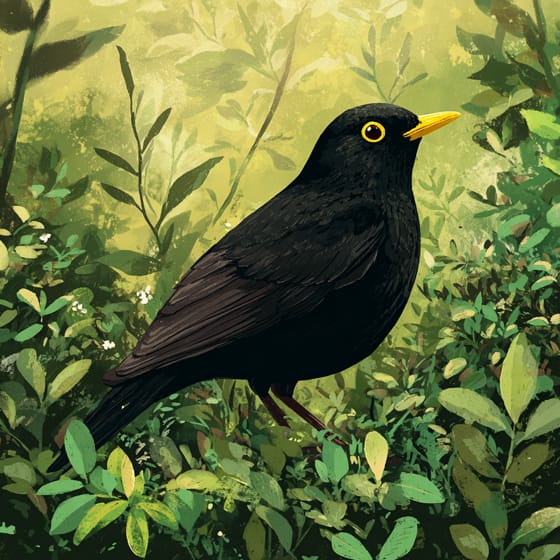
Turdus merula
eats nutrient-rich rose hips in autumn.
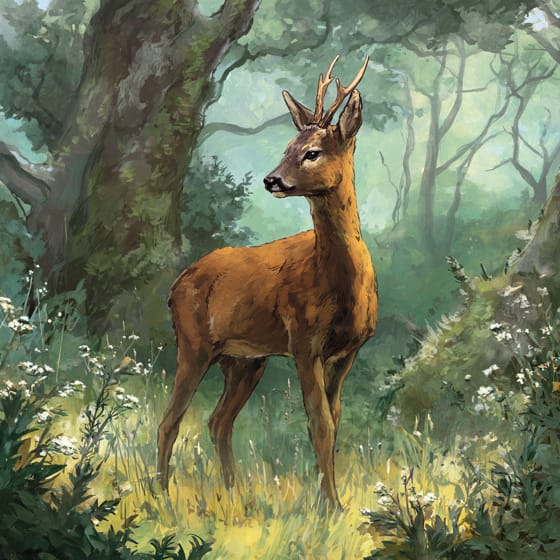
Capreolus capreolus
browses on young shoots and leaves.
Coccinella septempunctata
hides among its leaves from predators.
Flowering plants are any plants that produce flowers as part of their reproductive cycle.
A shrub is a woody plant smaller than a tree, typically with multiple stems branching from or near the ground.
Fragrant flowers emit a pleasant aroma, often to attract pollinators or for defense.
Pertaining to plants that have stems covered with sharp, pointed projections for defense.

Grassland habitats are terrestrial biomes dominated by grasses and herbaceous plants, supporting a variety of grazing animals.
Danger
1/5 · Very low
Explore with care and ask an adult if you’re unsure what to do.
The easiest way to identify Wild Rose is to use the Snappit nature identifier app.
100-300 cm
100-200 cm
3-8 cm
Late spring to summer
Yes
None
Perennial
Zoom in to split clusters and explore where this object has been snapped.
Recent snaps will appear here as new observations are added.
Take the discovery with you
Snap it with Snappit to identify it, learn what makes it special, and add the discovery to your collection.








.jpg&width=800)


_001.jpg&width=800)




