-4.jpg&width=800)





Fieldfare
Turdus pilaris
The Fieldfare is a beautiful bird with a grayish-brown body and a lovely spotted chest. They love to eat berries and can often be seen hopping around in fields and gardens.
Habitat: Grasslands
The Fieldfare has a striking grey head and rump, contrasting with its chestnut-brown back. Its breast is spotted with black, fading into a pale belly, and it has a distinctive pale grey band above its eye.
Category
BirdsRarity
Common
Danger
1/5 · Very low
Snaps
Be the first to snap!
Fieldfares forage together in large groups, sometimes over a hundred birds!
Fieldfares often build their nests with mud, strengthening them for their eggs and chicks.
Their loud, rattling 'chack' call is a distinctive sound of winter fields.
They sometimes 'bomb' predators with droppings when defending their nests!
Fieldfare can mob larger predators in groups, diving and even defecating on them to drive away threats from their colonies.
Fieldfare has a strong digestive system that helps them eat tough winter berries, providing crucial energy when other food is scarce.
Fieldfare has an amazing internal compass that helps them migrate thousands of kilometers, finding their way to warm winter grounds.
Fieldfare can efficiently search for food on frosted ground, often flicking leaves to find insects hiding underneath.
Fieldfares are omnivores, meaning they enjoy a varied diet of insects, worms, and lots of different berries and fruits.
Accipiter nisus
Swift sparrowhawks often hunt Fieldfares for food.
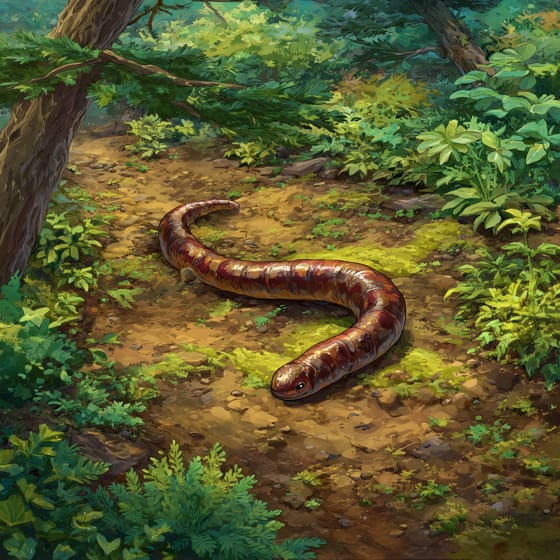
Lumbricus terrestris
Fieldfares pull juicy earthworms from wet soil.
Sorbus aucuparia
Rowan berries are a crucial winter food source.
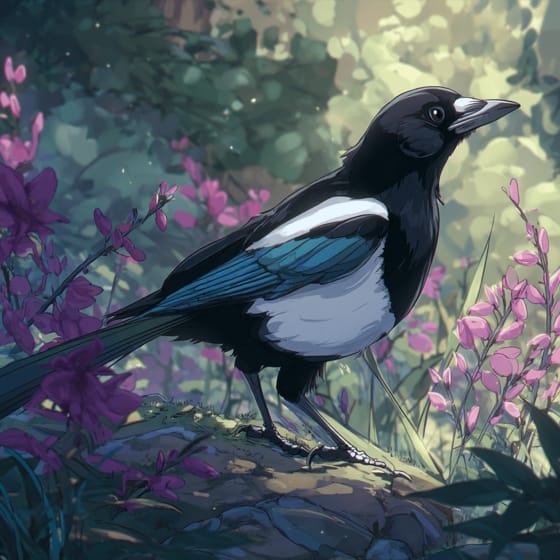
Pica pica
Magpies can steal Fieldfare eggs and chicks from nests.
Feathered describes animals, primarily birds, possessing a covering of feathers.
Marked with spots or patches of a different color.
Social animals live in organized groups, cooperating for survival benefits such as foraging, defense, and raising offspring.
This trait identifies organisms whose diet includes both plant and animal matter.

Singing animals produce complex vocalizations, often for purposes of attracting mates, defending territory, or communicating within their species.

Grassland habitats are terrestrial biomes dominated by grasses and herbaceous plants, supporting a variety of grazing animals.

Migratory animals undertake seasonal movements from one region to another, typically in response to changes in climate or food availability.
No aliases listed yet.
Danger
1/5 · Very low
Enjoy watching birds from a distance and don’t try to touch them.
The easiest way to identify Fieldfare is to use the Snappit nature identifier app.
22-27 cm
39-42 cm
0.08-0.14 kg
2-10 years
60 km/h
Fieldfares are omnivores, meaning they enjoy a varied diet of insects, worms, and lots of different berries and fruits.
Grasslands
Zoom in to split clusters and explore where this object has been snapped.
Recent snaps will appear here as new observations are added.
Take the discovery with you
Snap it with Snappit to identify it, learn what makes it special, and add the discovery to your collection.




.jpg&width=800)









