





Fingernet Caddisflies
Philopotamidae
Fingernet Caddisflies are tiny insects that make beautiful nets out of silk to catch food. They live in water and are great at hiding among rocks and plants.
Habitat: Freshwater streams
The Fingernet Caddisflies has drab, moth-like adults with hairy wings held like a tent over their bodies. They are typically brown, gray, or black, often with patterned wings. Their long antennae are a key feature, helping distinguish them from true moths.
Category
InsectsRarity
Common
Danger
1/5 · Very low
Snaps
Be the first to snap!
Adult caddisflies often have fuzzy antennae, helping them smell and navigate in the dark!
Caddisfly larvae use silk, like spiders, to build their amazing underwater structures!
Many adult caddisflies live for only a few days, spending most of their life as aquatic larvae.
The larvae build their tiny nets in fast-moving water, like minuscule underwater fishing traps!
Fingernet Caddisflies can spin intricate silken nets underwater because this helps them capture tiny food particles flowing past.
Fingernet Caddisflies has specialized mouthparts that help them filter algae and detritus from moving water with their nets.
Fingernet Caddisflies can only thrive in clean, flowing water because this helps scientists know when water is healthy.
Fingernet Caddisfly larvae are expert filter-feeders, catching tiny bits of food from the water.
Age differences: Larvae actively filter-feed; adults often do not feed or consume only nectar/water.
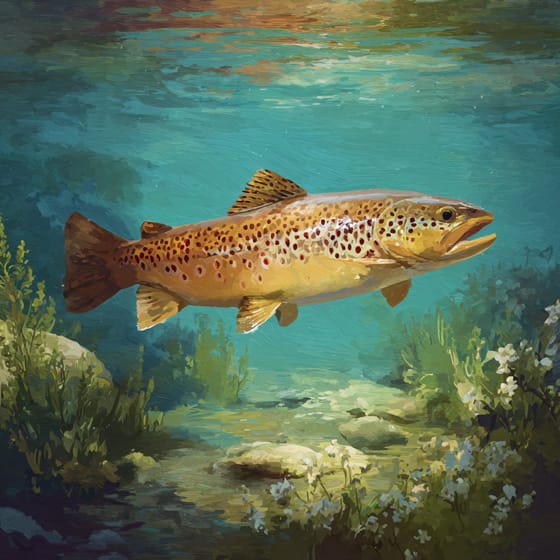
Salmo trutta
eats larvae and adults from the water
Cinclus cinclus
eats aquatic larvae and pupae from streams
Perla grandis
larvae hunt other smaller aquatic insects
Solitary animals live alone for most of their lives, only interacting with others for mating or parental care.
This trait characterizes organisms that construct elaborate silken webs for catching prey, shelter, or reproduction.
Camouflaged describes organisms that possess coloring or patterns that allow them to blend into their environment.
Filter feeders obtain nutrients by straining suspended food particles and small organisms from water.

This trait identifies organisms whose diet primarily consists of insects and other small invertebrates.

Freshwater habitats include non-saline aquatic environments such as rivers, lakes, ponds, and wetlands, vital for numerous species.

Pertaining to species that are significantly smaller than typical or average for their kind.

Aquatic habitats encompass environments where organisms live predominantly in water, including oceans, rivers, lakes, and wetlands.

Describes organisms that transfer pollen, enabling the fertilization and reproduction of plants.
No aliases listed yet.
Danger
1/5 · Very low
Always wash your hands after playing near water to stay clean and healthy.
The easiest way to identify Fingernet Caddisflies is to use the Snappit nature identifier app.
10-30 mm
5-20 mm
7-30 days
Fingernet Caddisfly larvae are expert filter-feeders, catching tiny bits of food from the water.
Freshwater streams
Filter Feeding
6
Zoom in to split clusters and explore where this object has been snapped.
Recent snaps will appear here as new observations are added.
Take the discovery with you
Snap it with Snappit to identify it, learn what makes it special, and add the discovery to your collection.









.jpg&width=800)




